
Last updated November 2, 2026
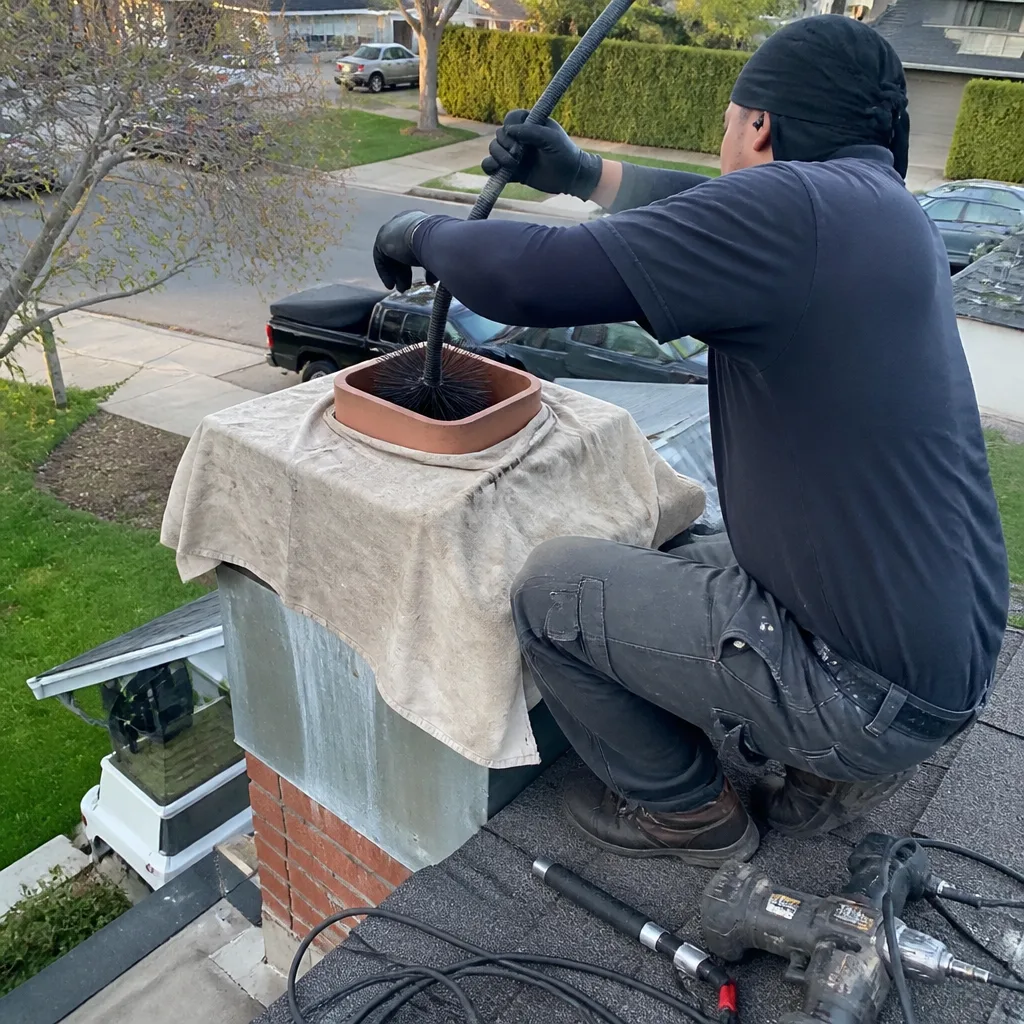
 Sweep & inspection
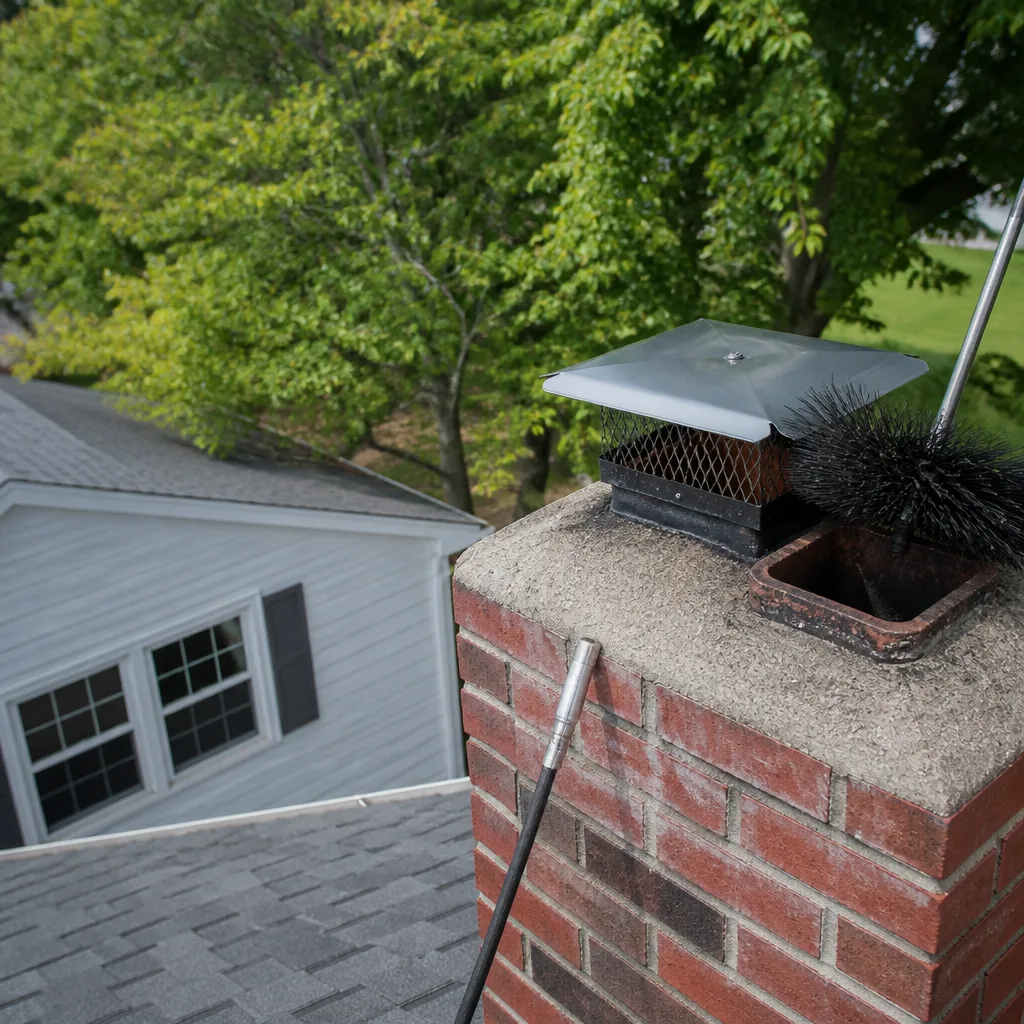
 Caps & crowns
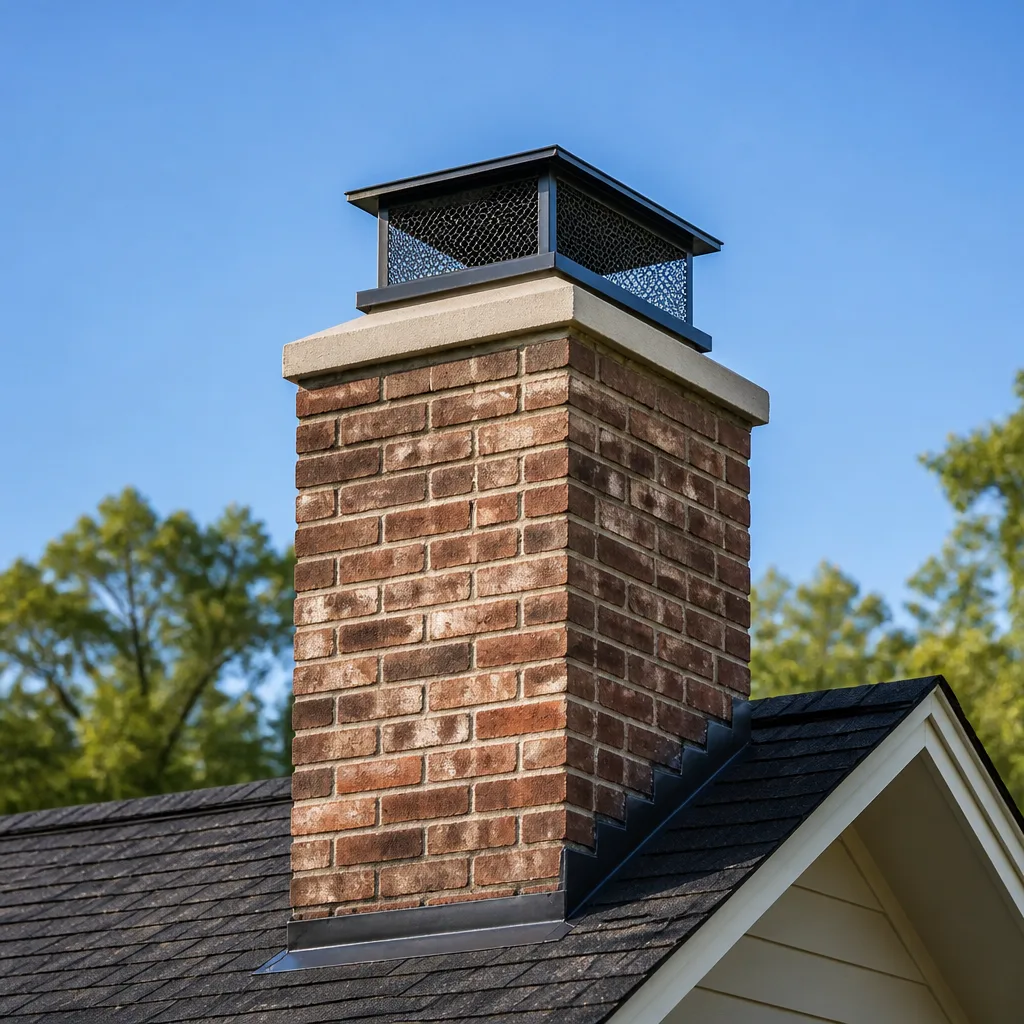
 Flue relining
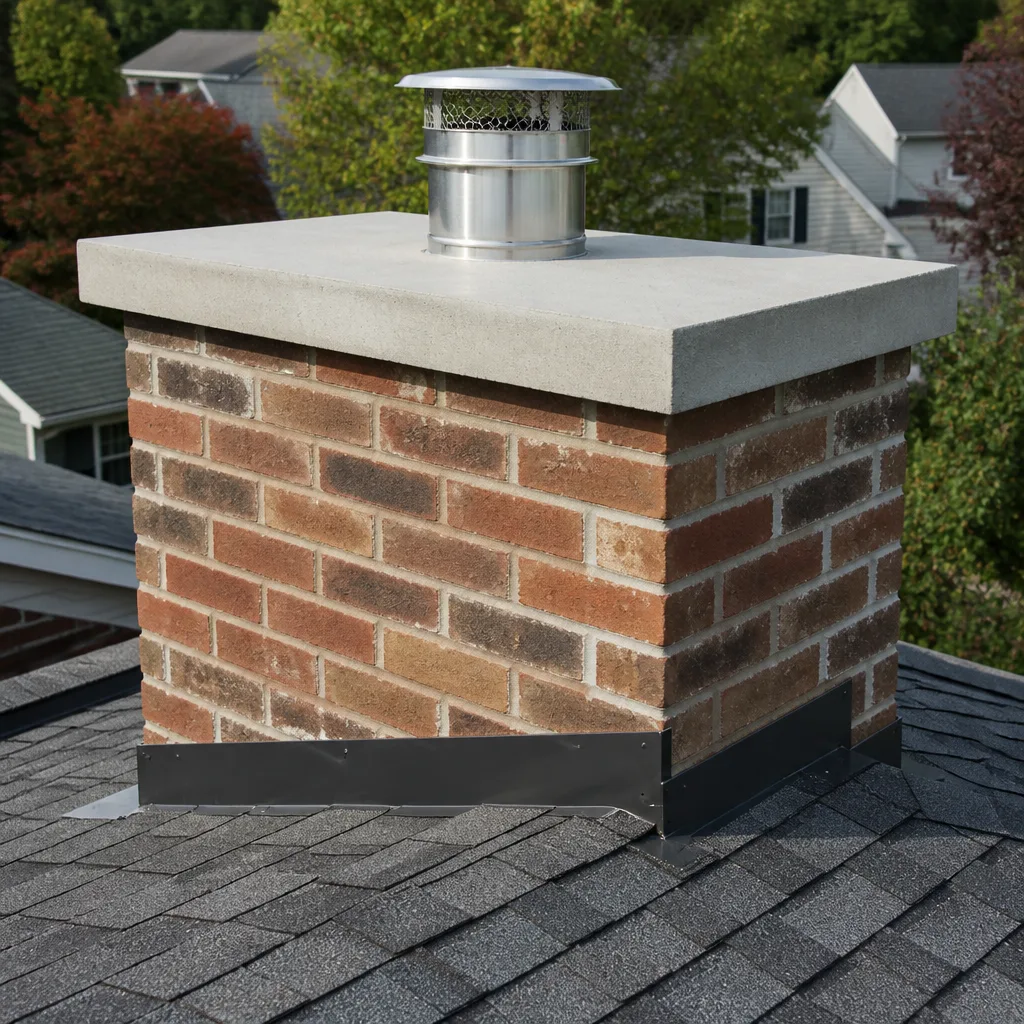
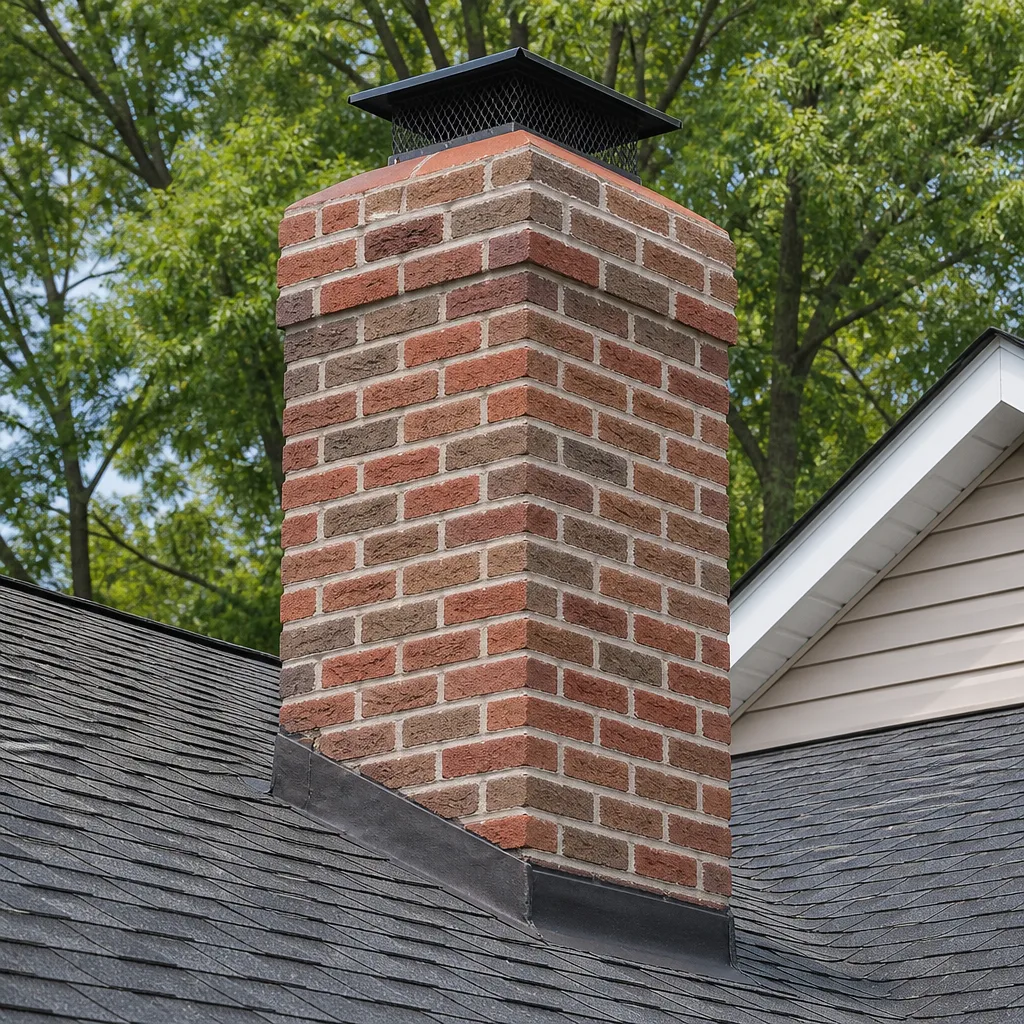 Masonry repair
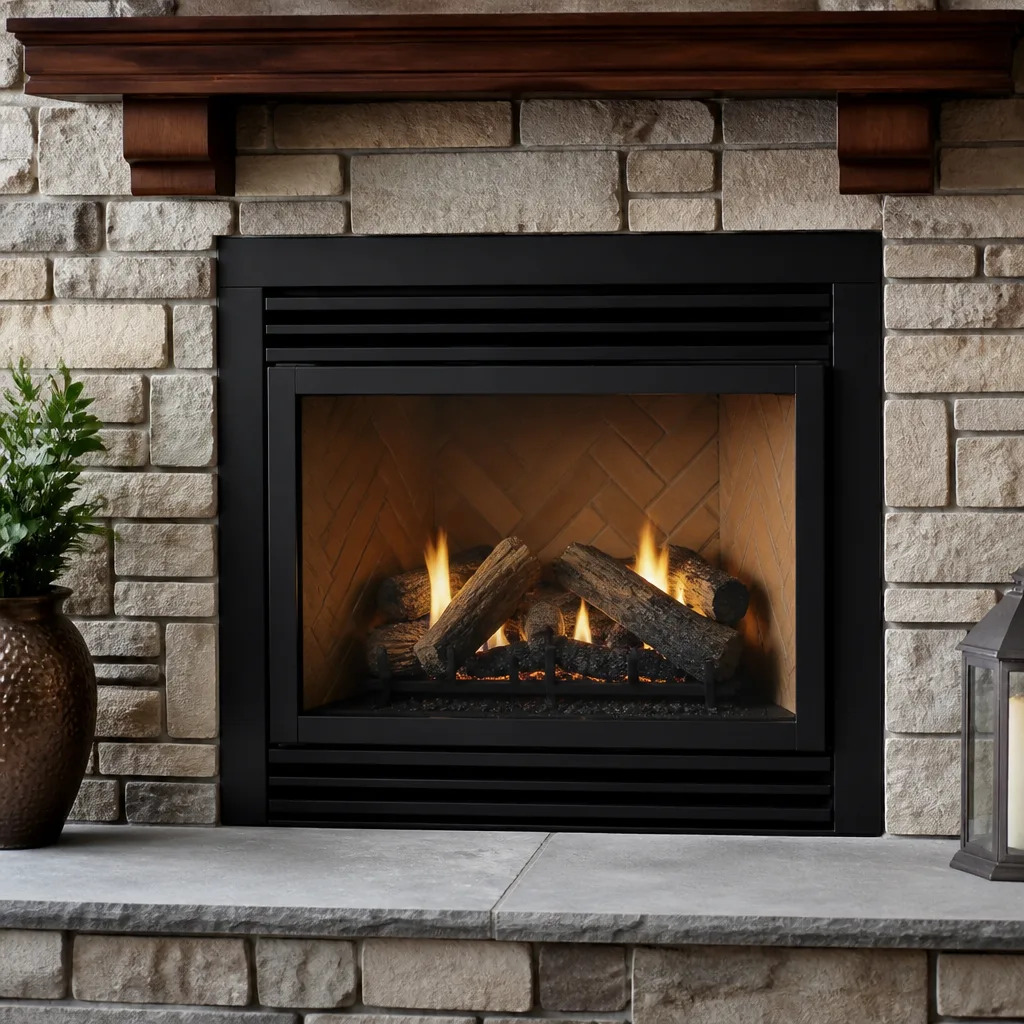 Gas fireplace service
Level 1 sweep and inspection to the NFPA 211 annual standard - flue, crown, cap, and flashing checked and photographed
Chimney sweep logs do not sweep chimneys. They loosen some creosote - which then falls where a brush and vacuum still have to collect it.
Chimney Cleaning Permits, Codes & Inspections in CA: What You Need to Know
Most homeowners in Bay Terraces assume a chimney sweep is a chimney sweep: someone shows up with brushes, cleans the flue, hands you a receipt, and leaves. That assumption gets expensive when you discover that California treats some chimney work as regulated construction, requiring permits, inspections, and documentation that your insurance company may ask to see years later. A relining job done without a permit in California doesn’t just create a code violation. It can void your homeowner’s insurance claim if that liner is involved in a fire, and the inspector who sold you the job won’t be the one explaining that to your insurer. This guide maps out exactly which chimney services trigger permit requirements in California, who pulls those permits, what documentation protects you, and how Chimney Sweep Bay Terraces handles the paperwork side of chimney care so you’re never left holding a problem someone else created.
Quick Answer
Routine chimney sweeping and Level 1 inspections do not require a permit anywhere in California. Permits are triggered by alterations, structural repairs, relining, or rebuilds, and they are pulled through the local Authority Having Jurisdiction, which in Bay Terraces means San Diego County. The permit is typically the contractor’s responsibility, but the legal and insurance consequences of unpermitted work land on the homeowner.
Styles & brands we work with
- Sweep & inspection
- Caps & crowns
- Flue relining
- Masonry repair
- Gas fireplace service
Table of Contents
- Permit vs. Maintenance: Where California Draws the Line
- San Diego County’s AHJ Process for Chimney Work
- Level 2 Inspections and Real Estate Disclosures in California
- The Insurance Angle: Documentation That Protects Your Claim
- What a Code-Compliant Chimney Cleaning Scope Looks Like
- Title 24 and California Building Code: The Regulatory Layer
- Common Mistakes to Avoid
- When to Call a Professional
Permit vs. Maintenance: Where California Draws the Line
California Building Code (CBC) draws a clean line between maintenance and alteration, and that line determines whether a permit is required for any chimney work on your Bay Terraces property. Maintenance means cleaning, inspecting, and addressing minor surface issues like a deteriorated chimney cap or a cracked mortar joint on the exterior crown. Alteration means changing the structure, the flue pathway, or the materials that make up the system.
Here’s what falls on each side of the line:
No permit required (maintenance)
- Chimney sweeping and flue cleaning
- Level 1 and Level 2 inspections
- Chimney cap replacement
- Minor crown sealing with caulk or sealant
- Firebox refractory panel replacement (surface-level)
- Dryer vent cleaning (a separate but related service, handled by the same specialist team at Chimney Sweep Bay Terraces home)
Permit required (alteration or structural work)
- Stainless steel liner installation (full relining)
- HeatShield or similar ceramic resurfacing of a flue
- Rebuilding the chimney stack above the roofline
- Firebox rebuild
- Smoke chamber parging that changes flue dimensions
- Converting a wood-burning fireplace to gas
The distinction matters because unpermitted alteration work creates a chain of liability. When we diagnose a chimney in Bay Terraces that needs a liner, the relining is not a cleaning upgrade. It’s a structural modification governed by CBC Chapter 10 and the mechanical code chapters that reference it. A contractor who tells you a liner install doesn’t need a permit is either misinformed or working unpermitted, and in both cases you become the person who owns the problem if something goes wrong. Chimney Sweep Bay Terraces does Chimney Repair in Bay Terraces with the permit process handled correctly from the start, because we’ve seen what happens when homeowners discover they’ve been living with an unpermitted liner for five years and their insurer wants documentation they don’t have.
San Diego County’s AHJ Process for Chimney Work
In Bay Terraces, the Authority Having Jurisdiction (AHJ) for chimney-related permits is San Diego County’s Building Services Division. Understanding how this office processes chimney permits helps homeowners set realistic expectations for timelines and costs, and it explains why some contractors avoid pulling permits altogether: it adds time to a job.
The typical process for a permitted chimney alteration in San Diego County works like this:
- Scope confirmation. The contractor documents the specific work being done: liner type, flue dimensions, structural changes. This documentation becomes part of the permit application.
- Application submission. The contractor submits plans and specifications to San Diego County Building Services. For most chimney relining and rebuild work, this is an over-the-counter or online submittal, not a full plan review.
- Permit issuance. Once fees are paid and the scope is approved, the permit is issued. This typically takes 1 to 2 weeks for straightforward chimney work, though plan review can extend that timeline for more complex rebuilds.
- Work and inspection. The work is completed, and a county inspector visits the property to verify the work matches the permit scope. The inspector checks liner material, clearances, and proper connection to the appliance.
- Final sign-off. The permit is finalized, and the homeowner receives documentation that the work was inspected and approved by the county.
The timeline and process matter because Bay Terraces homes are older stock, and many were built before current chimney standards existed. A house built in 1972 with its original clay tile liner has a system that predates stainless steel liner requirements. When that liner fails, as clay tile liners do after decades of thermal cycling, the replacement is not a like-for-like swap. It’s an upgrade to a code-compliant system, and San Diego County treats it as such. The permit is not bureaucracy for its own sake. It’s the documentation that your upgrade actually meets modern fire safety standards, and it’s the paper trail your insurance company will want if that fireplace is ever involved in a claim.
Level 2 Inspections and Real Estate Disclosures in California
California’s real estate disclosure requirements turn chimney inspections from a routine maintenance chore into a transaction-critical document. If you’re selling a home in Bay Terraces, the Transfer Disclosure Statement (TDS) asks about known material defects, and a chimney with known damage is a material defect. If you’re buying, a Level 2 inspection is the standard that protects you from buying a fireplace that needs five thousand dollars of work you didn’t know about.
A Level 2 inspection is more than a visual check. It includes video scanning of the flue interior, which is the standard NFPA 211 inspection level required during any real estate transaction or any change to the system, like a fuel conversion or a liner replacement. The inspector runs a camera through the flue and documents cracks, gaps, spalling, and missing mortar joints. The result is a written report with photos, and that report becomes part of the real estate file.
Here’s what California homeowners need to know about the disclosure side:
- A seller who knows about a cracked flue liner and doesn’t disclose it can be sued for failure to disclose under California Civil Code, even if the buyer’s home inspection didn’t catch it.
- A Level 2 inspection done as part of pre-listing due diligence gives sellers a document that shows either the chimney is sound or the issue has been repaired. Both outcomes remove a negotiation vulnerability.
- Buyers who skip the Level 2 and discover chimney damage after closing have limited recourse. The seller can argue the buyer had the opportunity to inspect and declined it.
- FHA and VA appraisals in San Diego County often require a chimney inspection as a condition of loan approval for homes with fireplaces, which means the Level 2 report becomes a financing document, not just a maintenance record.
Chimney Sweep Bay Terraces performs Level 2 inspections as part of the broader Chimney Sweep in Bay Terraces service scope, with video documentation provided to the homeowner. When we find issues during a transaction inspection, we can complete the Chimney Repair in Bay Terraces work in the same service relationship, which means sellers aren’t coordinating between an inspection company and a separate repair contractor while their escrow clock runs.
The Insurance Angle: Documentation That Protects Your Claim
The reason unpermitted chimney work becomes an insurance disaster is found in the fine print of standard California homeowner’s policies. Most HO-3 policies exclude coverage for damage caused by work done without required permits, not because the insurance company wants to punish you, but because unpermitted work is unverified work. The insurance company can’t confirm the liner was installed to code, so they don’t cover the fire it caused.
The documentation that protects you falls into three categories:
- Permit and inspection records. If alteration work was done on your chimney, you need the permit number, the date of final inspection sign-off, and the inspector’s approval notice. Keep these with your insurance policy documents. They’re your proof that the work was verified by the county.
- Service and cleaning records. For maintenance work like sweeping, keep dated receipts that describe the scope of work. Insurance companies rarely ask for sweep records after a chimney fire, but when they do, a dated receipt from a professional chimney service shows you maintained the system as a reasonable homeowner would. A missing receipt from a “guy I found on Craigslist” doesn’t help your claim.
- Video inspection reports. If you’ve had a Level 2 inspection, keep the video and the written report. They’re third-party documentation of the flue’s condition at a specific point in time. If the flue was documented clean and intact in March and a fire happens in December, that timeline matters.
What we tell homeowners in Bay Terraces is simple: documentation is cheap insurance. A chimney by its nature is a contained fire running through the middle of your house, and when something goes wrong, your insurance company will look for reasons to deny the claim. Missing permits and missing maintenance records are the two most common reasons chimney-related claims get denied or reduced. Professional-grade materials from brands like HeatShield and Olympia Chimney, installed with permits and documented correctly, are the difference between a paid claim and a denied one.
What a Code-Compliant Chimney Cleaning Scope Looks Like
A professional chimney cleaning is not just brushing the flue. A code-compliant scope of work references the National Fire Protection Association (NFPA) 211 standard, which is the national benchmark that California has adopted by reference. When a chimney sweep in Bay Terraces says they’re doing a “full cleaning,” that scope should match what NFPA 211 describes, and the written scope of work is what protects your warranty and liability position.
A properly documented chimney cleaning scope includes:
- Pre-cleaning inspection. A visual check of the firebox, damper, smoke chamber, flue, and exterior chase or masonry before any cleaning begins. This establishes the starting condition and catches any pre-existing issues that shouldn’t be blamed on the cleaning process.
- Flue cleaning by mechanical brushing. The flue is swept with rotary brushes sized to the flue dimensions, removing creosote from the walls. Creosote is the residue of incomplete wood combustion, and it’s the fuel for chimney fires.
- Smoke chamber and firebox cleaning. These areas are swept by hand because rotary brushes can’t reach them. Skipping this step leaves creosote in the highest-heat zone of the system.
- Post-cleaning inspection. After the flue is clean, the sweep visually re-inspects the system to confirm that cleaning didn’t expose hidden damage and that all components are functioning.
- Written report. The homeowner receives documentation of what was cleaned, what was found, and what follow-up is recommended. This is the record that matters for warranty and insurance purposes.
The distinction between a code-compliant scope and a cheap sweep is not visible to the homeowner watching the work happen. It’s in the documentation and the thoroughness. We’ve followed behind discount sweeps in Bay Terraces and found smoke chambers that hadn’t been touched in years, because the previous sweep only ran a brush up the flue and called it done. A chimney that looks clean from the top can still have a quarter-inch of creosote in the smoke chamber, and that’s where chimney fires often start. Full repair capability means issues found during a sweep can be resolved in the same service relationship, no referral runaround and no second appointment with a different company that has to re-diagnose what we already found.
Title 24 and California Building Code: The Regulatory Layer
California’s Title 24 energy standards don’t directly regulate chimneys the way they regulate windows or insulation, but they do intersect with chimney work in specific ways that most chimney guides skip. Understanding these intersections matters for Bay Terraces homeowners who are planning larger projects or who want to know why certain chimney upgrades cost more in California than they do in other states.
Title 24 affects chimney work in three practical ways:
- Fireplace efficiency requirements. New fireplace installations and major fireplace alterations in California must meet Title 24 energy requirements, which favor sealed-combustion gas fireplaces over open wood-burning models. This matters when a homeowner is converting a wood fireplace or rebuilding a firebox: the scope of work may trigger Title 24 compliance requirements that add cost and complexity.
- Combustion air requirements. California’s tight building envelope standards mean fireplaces and wood stoves need dedicated combustion air, often through a vented crawlspace or an outside air kit. Chimney alterations can require bringing the combustion air setup into compliance with current code, even if the chimney itself was fine.
- Carbon monoxide detector mandates. California requires carbon monoxide detectors in any dwelling with a fuel-burning appliance or attached garage. Any chimney or fireplace work that involves a heating appliance is a good moment to verify that CO detectors are installed and functional, because the inspector will check.
The practical takeaway for Bay Terraces homeowners is that chimney work doesn’t happen in a code vacuum. A relining project may require the contractor to address combustion air, clearances, and carbon monoxide detection as part of the scope, and a contractor who ignores those requirements produces work that won’t pass inspection. We work with professional-grade materials from brands like DuraFlex and Famco precisely because these are the products specified by code and accepted by inspectors without question. Generic substitutes create inspection delays and sometimes fail outright, and the homeowner absorbs that cost either way.
Common Mistakes to Avoid
- Treating a liner install as maintenance. A stainless steel liner is not a cleaning upgrade. It’s structural alteration work, and in San Diego County it requires a permit. A contractor who casually says “we don’t need a permit for this” is putting the liability on you. We diagnose what we find and fix it, with permits handled correctly from day one.
- Losing the service documentation. A chimney fire claim denied for lack of maintenance records is a claim that could have been paid. Keep every receipt, every report, and every permit number in a file with your insurance policy. Ten years from now, you’ll be glad the paper trail exists.
- Skipping the Level 2 inspection during escrow. Bay Terraces homes are older, and many have original clay tile liners that are decades past their service life. A standard home inspection won’t catch flue damage. The Level 2 video scan is the inspection that actually documents the flue’s condition.
- Hiring a generalist who “also does chimneys.” Chimney work is one of the few trades where the consequence of getting it wrong is a house fire. A general handyman who sweeps chimneys between tile jobs is not the same as a Chimney Sweep in Bay Terraces who works with professional-tier product lines and knows California code. From routine sweeps to structural liner repair, handled by one specialist team.
- Ignoring the dryer vent. Your dryer vent is a fire risk most companies overlook, and most chimney companies don’t offer Dryer Vent Cleaning in Bay Terraces at all. The lint that accumulates in your dryer vent is as dangerous as chimney creosote, and it’s a code-compliant maintenance item that’s cheap to address and expensive to ignore.
- Converting fuels without checking code implications. Wood-to-gas fireplace conversion seems like a simple swap until you discover the firebox needs different venting, the gas line connection needs a permit, and the carbon monoxide detector requirements just changed. Check the scope before you start, not after the inspector shows up.
When to Call a Professional
Some chimney tasks are genuinely DIY-friendly, like replacing a missing chimney cap or sealing a surface crack in the exterior crown. But anything involving the flue interior, the firebox structure, or the connection between the fireplace and the chimney is professional territory, both for safety reasons and because the documentation matters. If you’ve never had your chimney inspected, or if it’s been more than two years since the last cleaning, start with a professional inspection. If you’re buying or selling a home, a Level 2 inspection should be on your checklist. If you’ve had a chimney fire, even a small one, the system needs a professional assessment before another fire is lit. Chimney Sweep Bay Terraces offers free estimates in Bay Terraces. Call (833) 756-1092 and we’ll walk you through what your chimney needs and what documentation you should be keeping.
See the difference
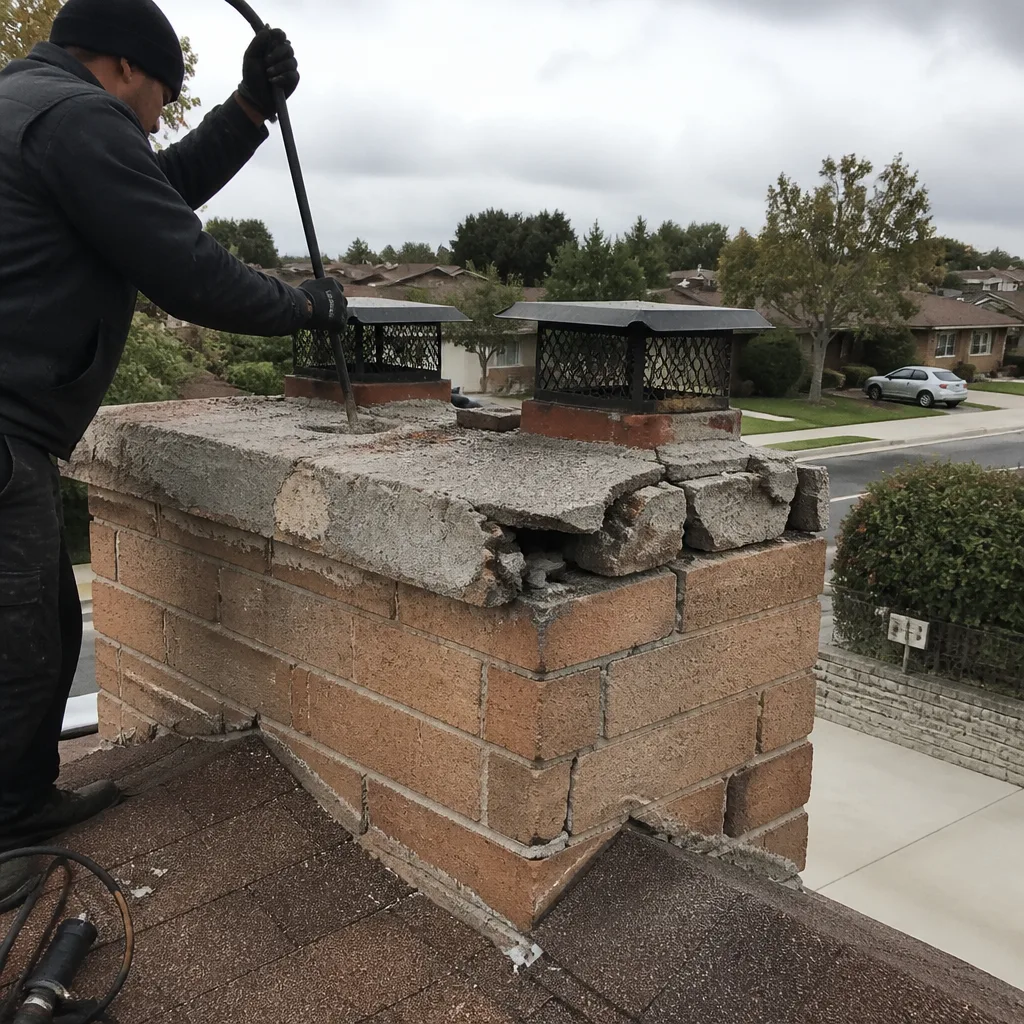 Before
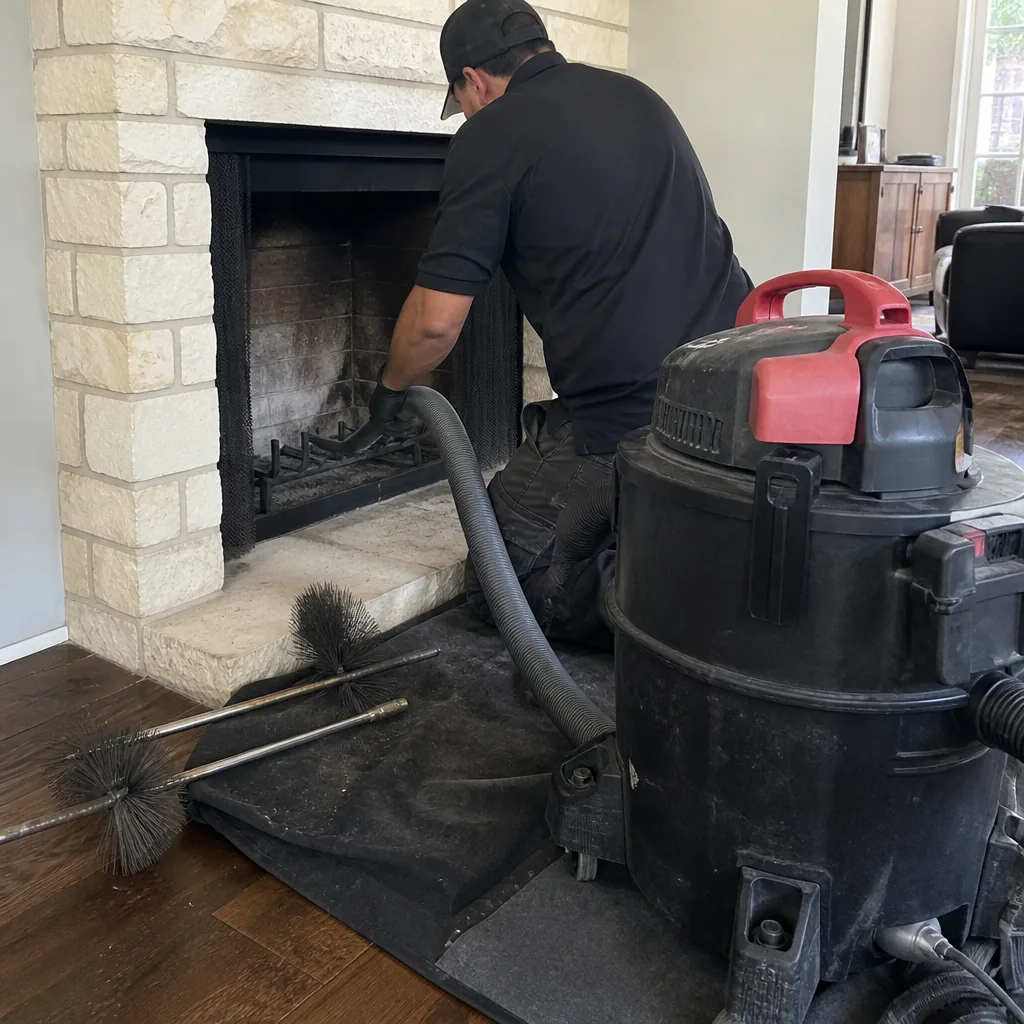 After
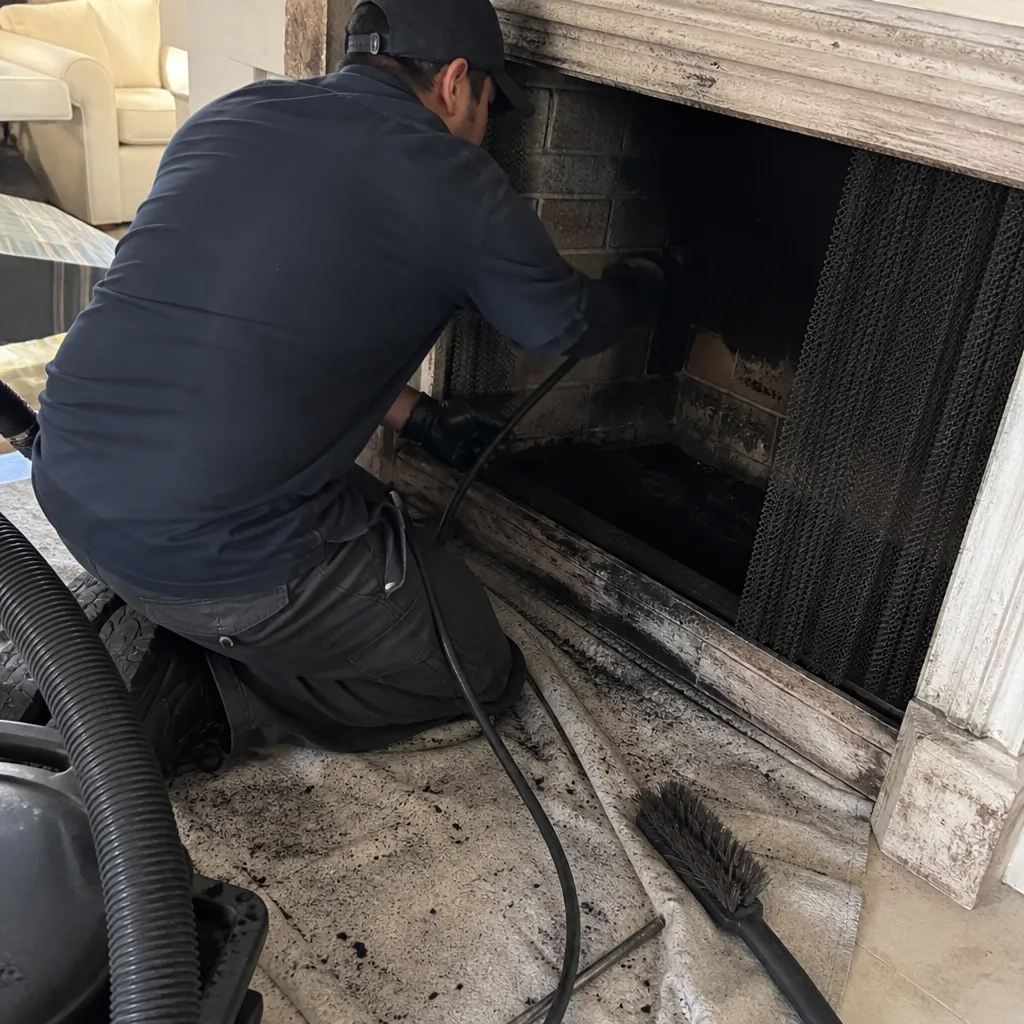 Before
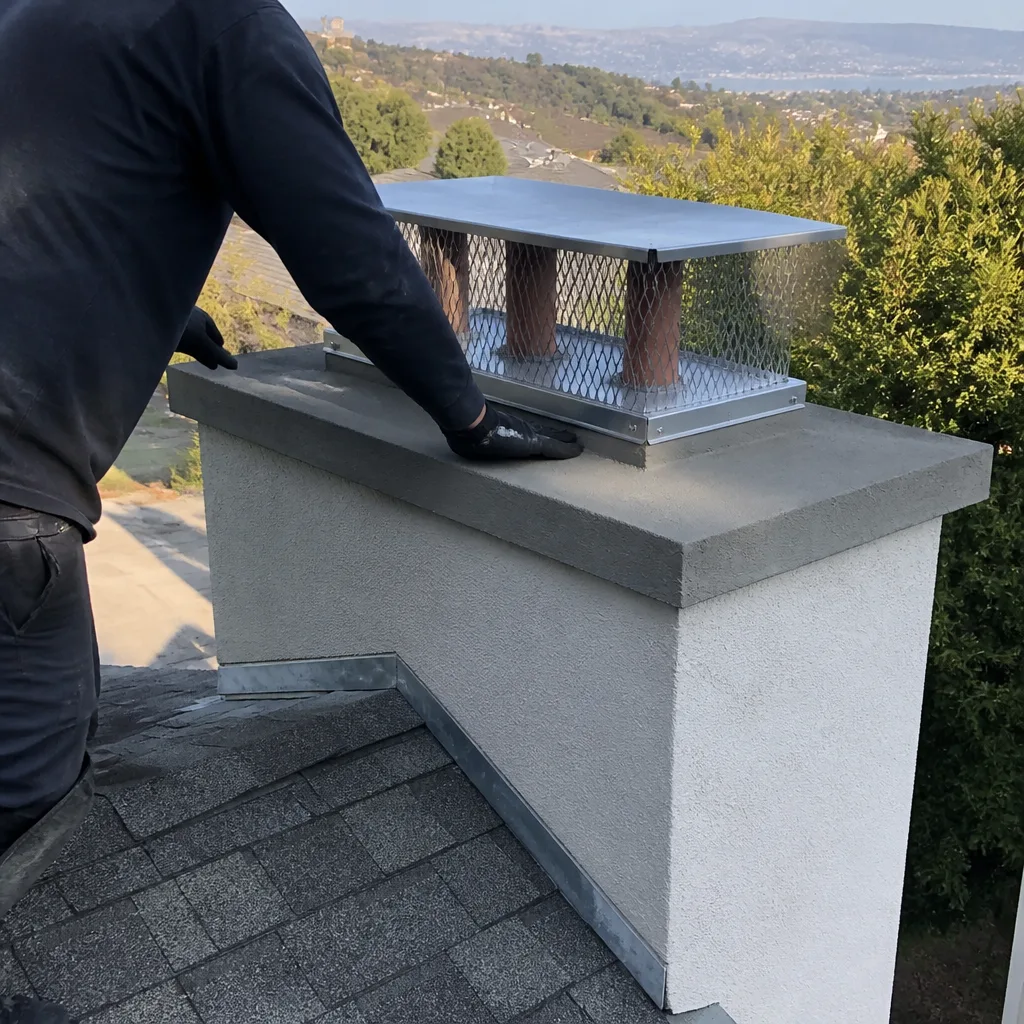 After
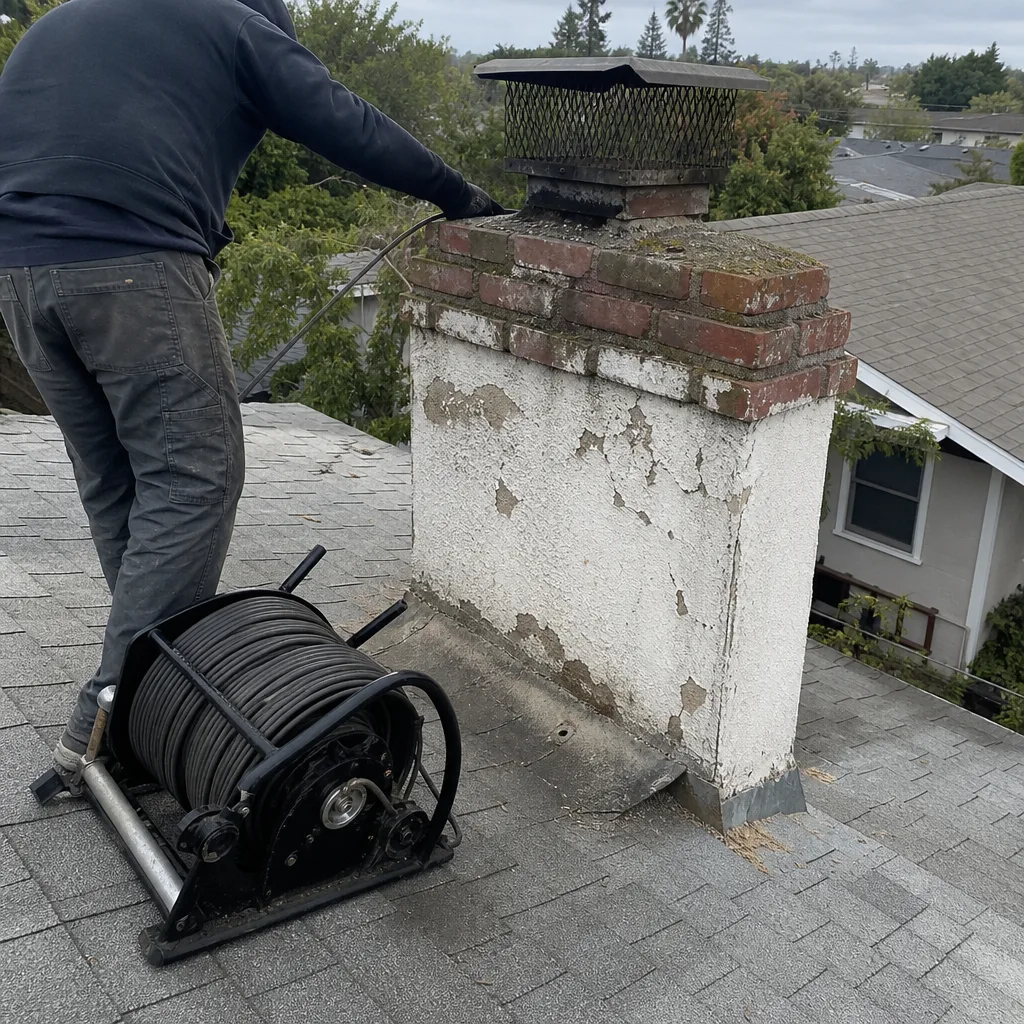 Before
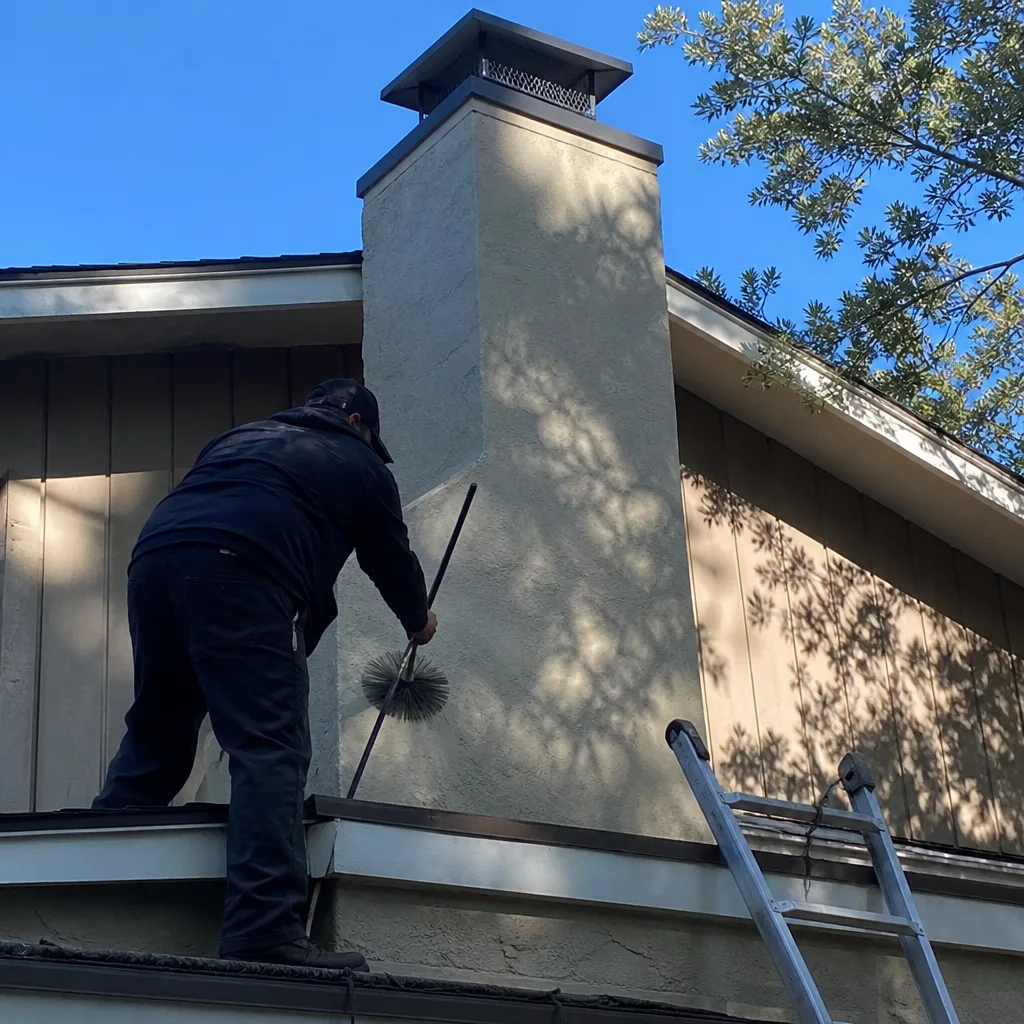 After
Frequently Asked Questions
No. Routine sweeping and Level 1 or Level 2 inspections are classified as maintenance under California Building Code and do not require a permit. Permits are only required for alterations, relining, rebuilding, or other structural work. If you’re not sure whether your project crosses the line from maintenance to alteration, call (833) 756-1092 and we’ll tell you honestly, before any work is booked.
The contractor typically pulls the permit, because the permit application requires technical documentation and the contractor is the party responsible for the work passing inspection. If a contractor refuses to pull a required permit and asks the homeowner to do it, that’s a red flag. The homeowner can pull a permit, but it shifts responsibility for code compliance onto the homeowner, who typically lacks the technical knowledge to confirm the work is done right.
Most chimney alteration permits in San Diego County are issued within 1 to 2 weeks of application submission, assuming the scope is straightforward. More complex rebuilds that require plan review can take 4 to 6 weeks. The permit timeline should be factored into any real estate transaction where chimney work is part of the closing conditions.
If unpermitted alteration work is discovered, the homeowner is responsible for correcting it. Correcting it typically means having the work inspected retroactively, which may require exposing the work for verification, or removing and redoing it if it doesn’t meet code. The insurance consequence is more severe: most homeowner’s policies exclude coverage for damage caused by unpermitted work. A chimney fire traced to an unpermitted liner is usually a denied claim.
Dryer vent cleaning is maintenance, not alteration, and requires no permit in California. The service is frequently overlooked because most chimney companies don’t offer it. Dryer Vent Cleaning in Bay Terraces addresses a leading cause of residential fires with the same documentation standards we apply to chimney work. Call (833) 756-1092 for a free estimate.
Yes. When we perform Chimney Repair in Bay Terraces work that requires a permit, we handle the application, the inspection scheduling, and the final documentation. The homeowner receives the permit record at the end of the job, and we recommend keeping it with your insurance documents. The permit is your proof that the work was verified by San Diego County.
The Bottom Line
Chimney permits in California are not bureaucratic theater. They’re the documentation that separates verified, code-compliant work from work that could cost you a denied insurance claim and a costly remediation. Routine cleaning and inspection need no permit. Relining, rebuilding, and structural alteration do, and the permit is pulled through San Diego County’s Building Services Division. Keep your documentation: service receipts, inspection reports, permit records. They’re the evidence that protects you if a chimney-related loss ever happens. And when the work needs to be done, hire a specialist who works with professional-grade materials from brands like HeatShield, DuraFlex, and Copperfield, not generic substitutes. The same product lines chimney professionals specify, brought to your home in Bay Terraces.
Written by the team at Chimney Sweep Bay Terraces, serving Bay Terraces since 2011.