
Last updated November 2, 2026
 Sweep & inspection
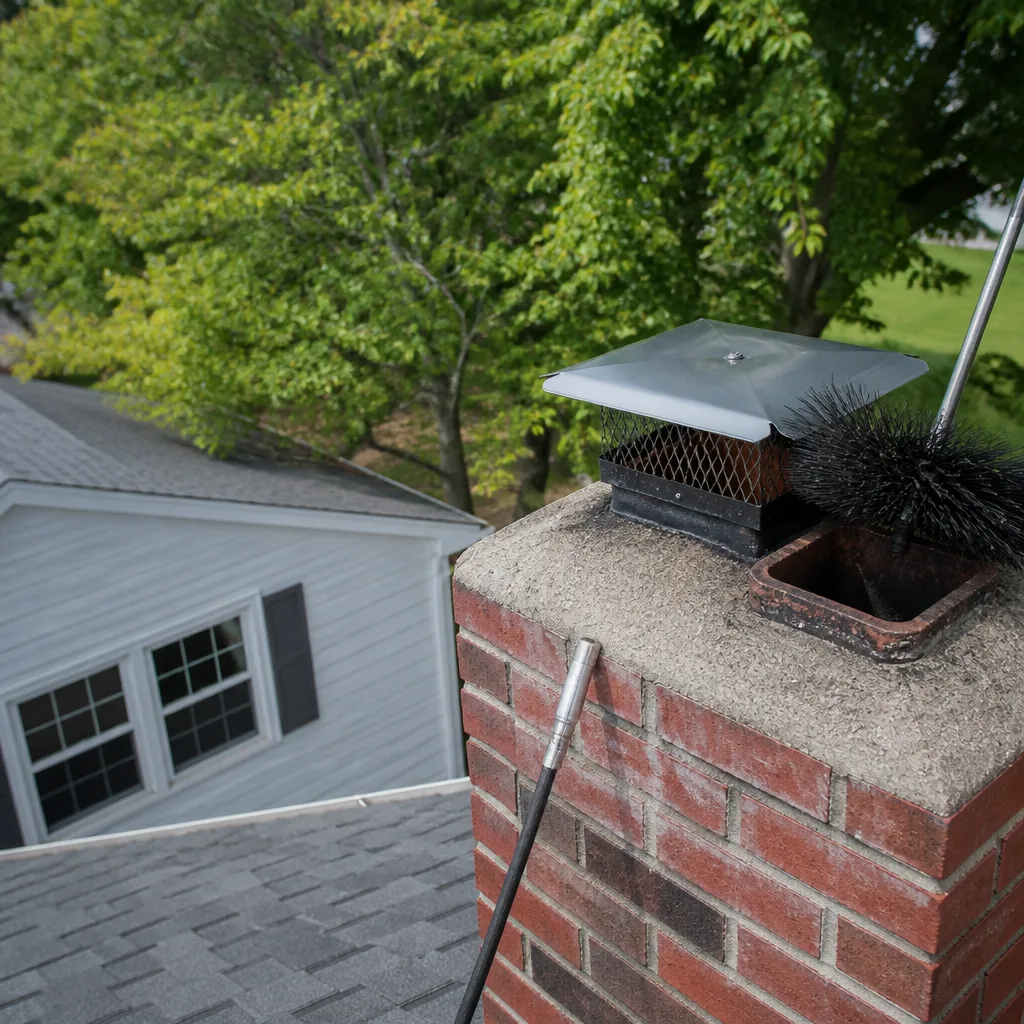
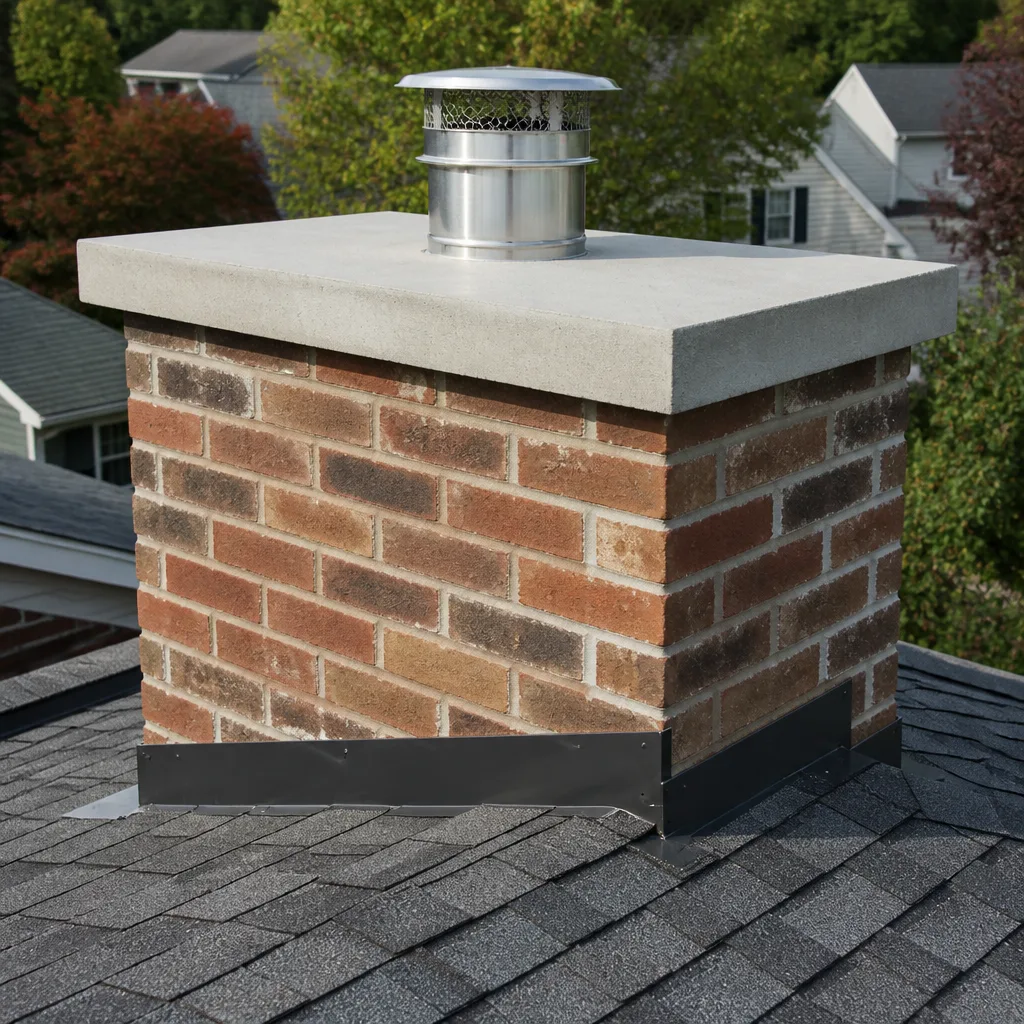
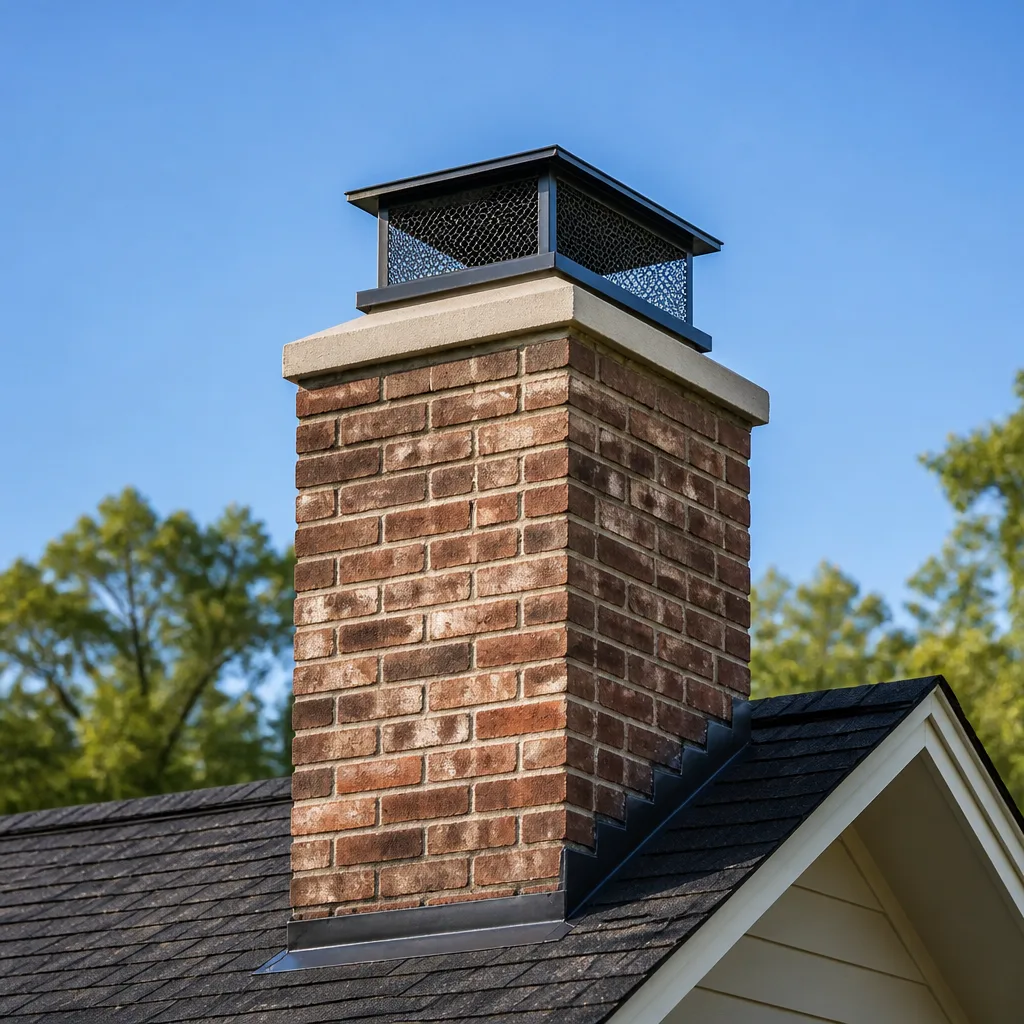 Caps & crowns
 Flue relining
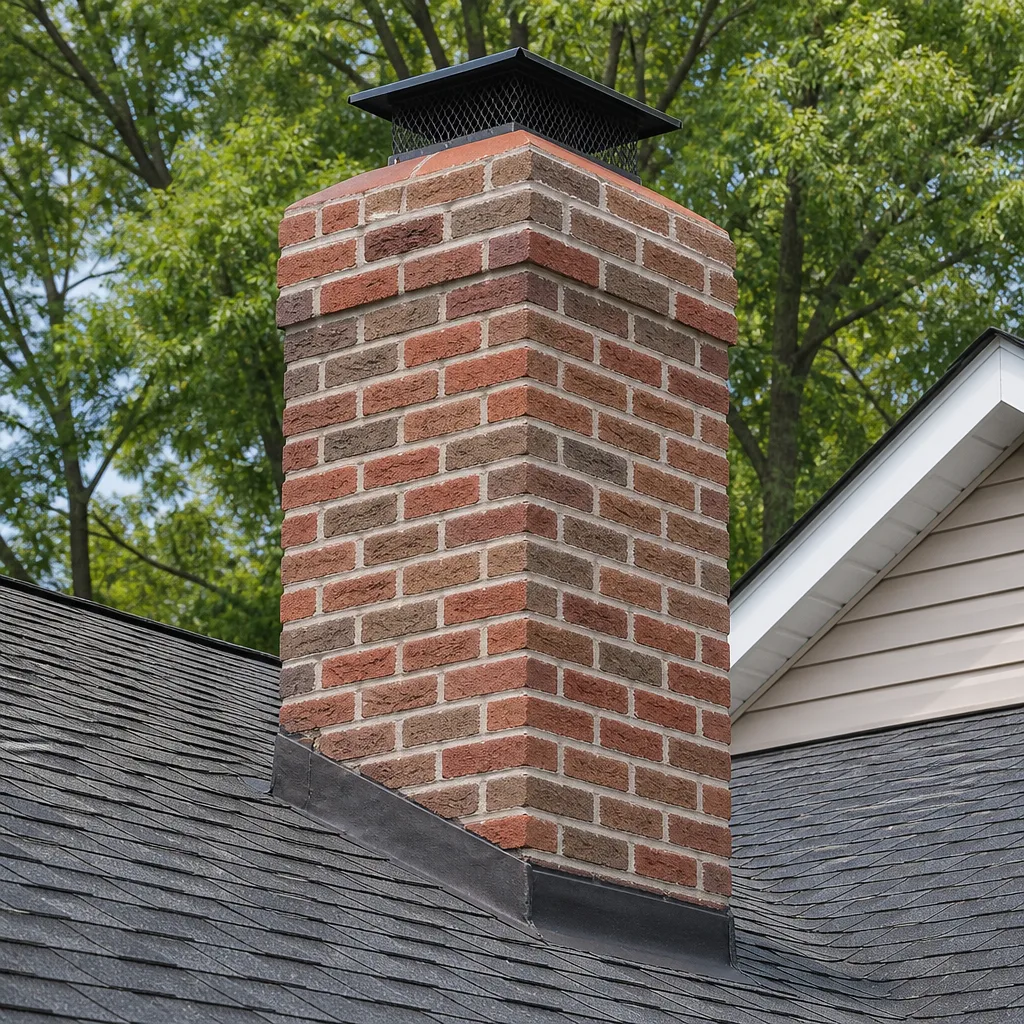 Masonry repair
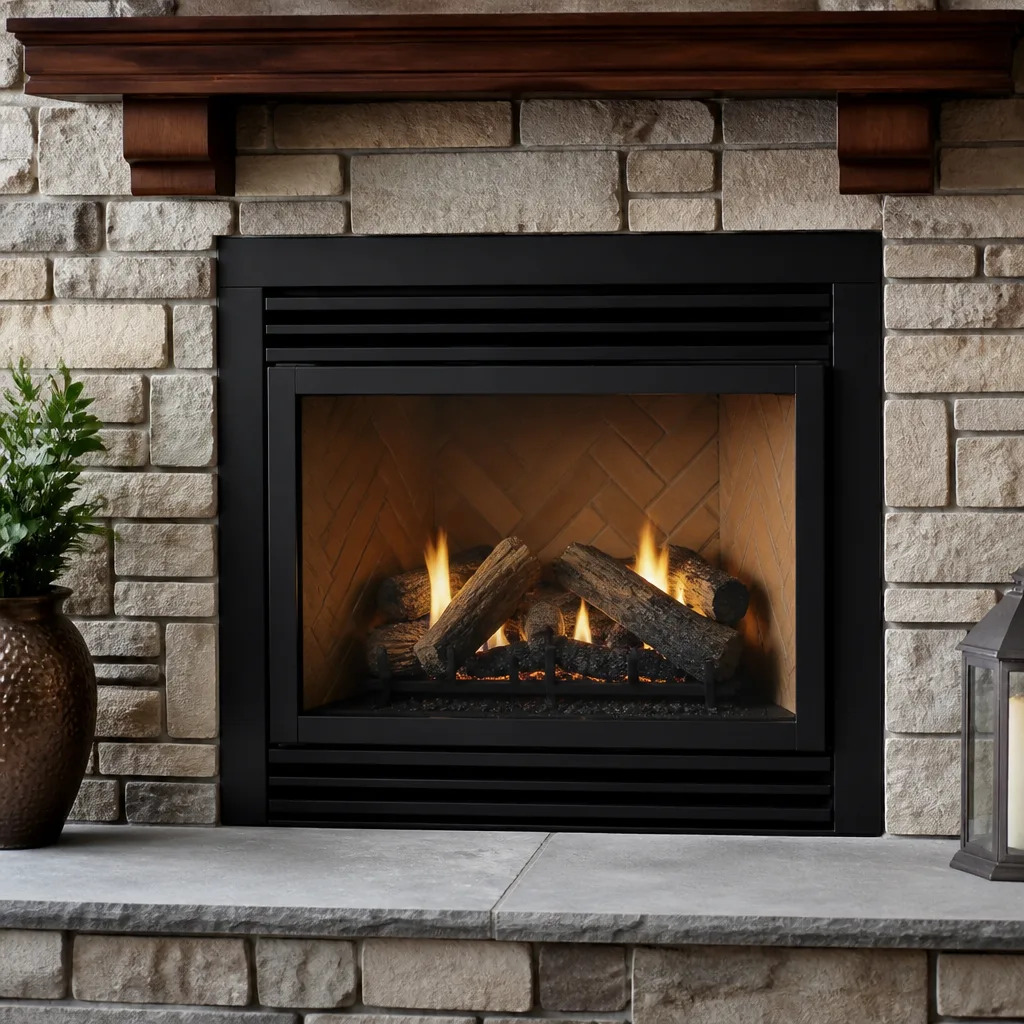 Gas fireplace service
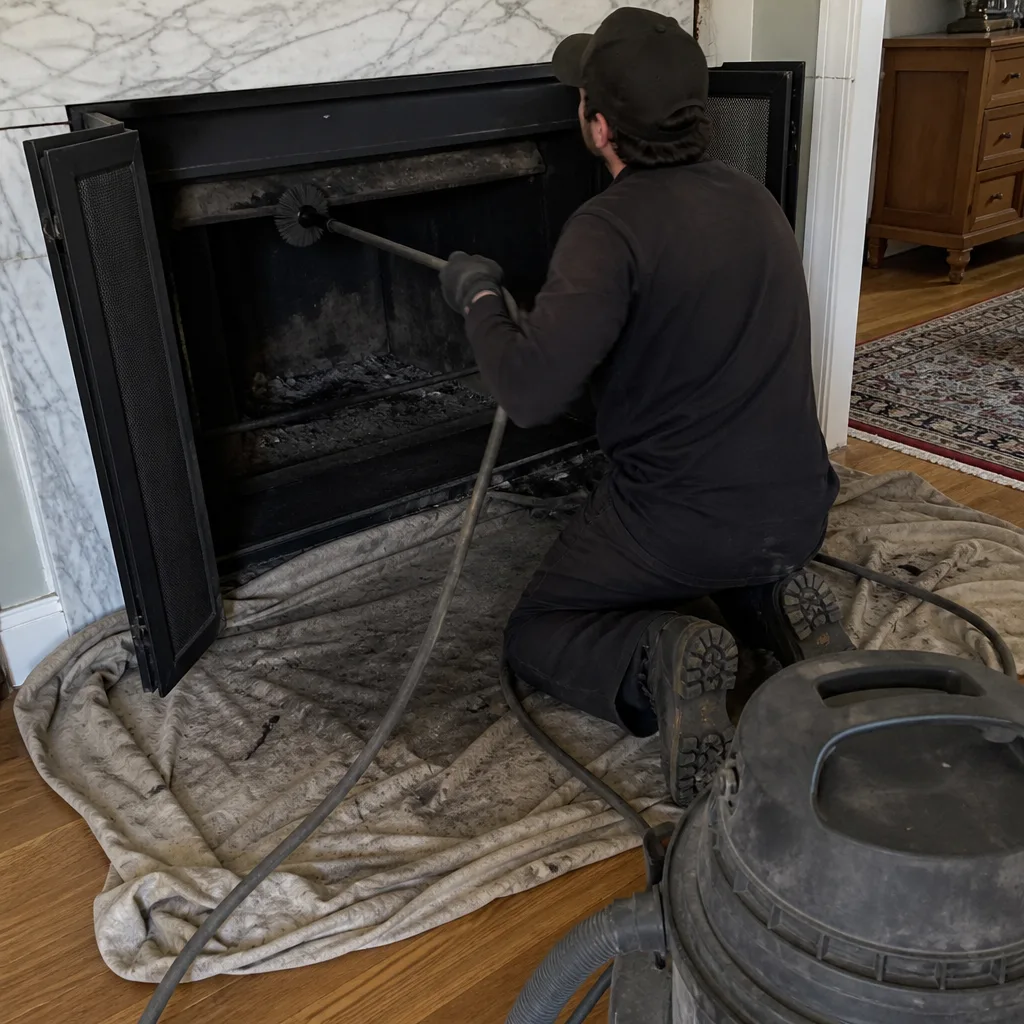
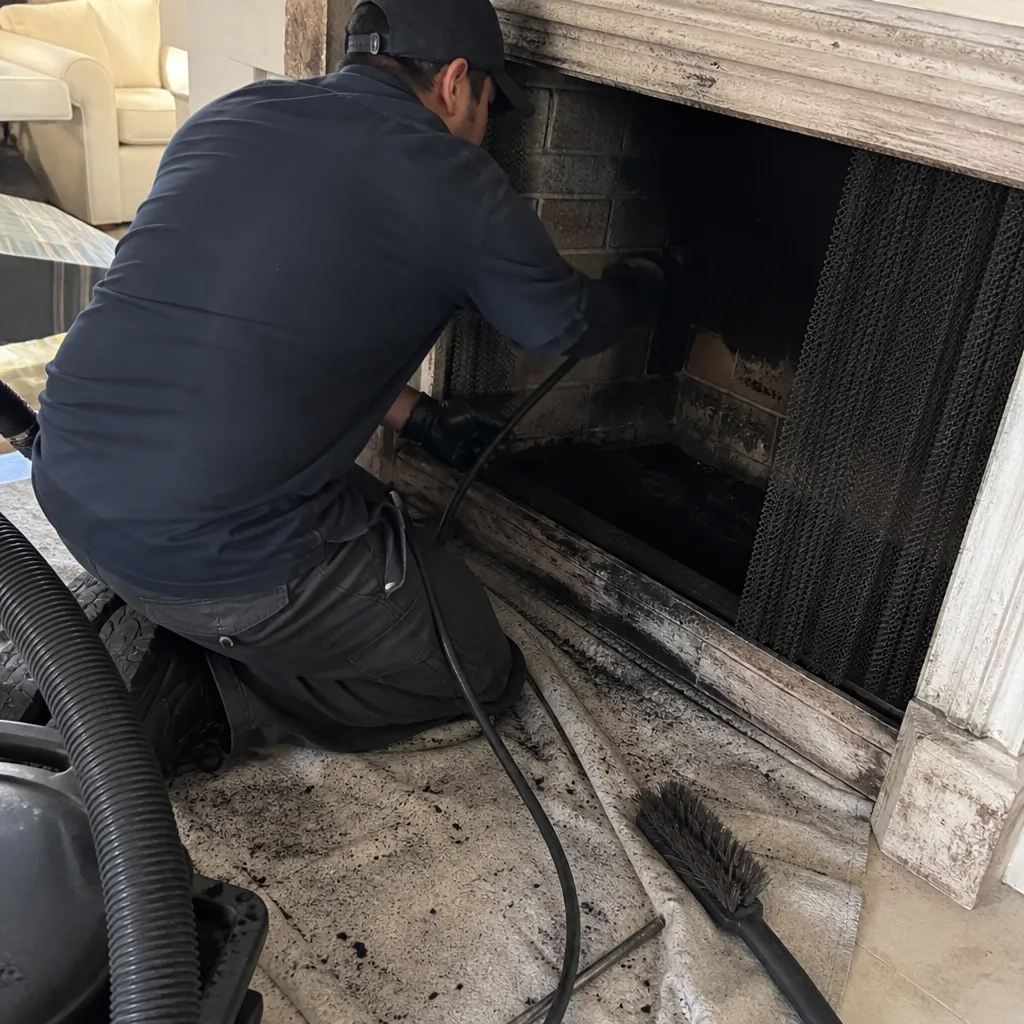
Level 1 sweep and inspection to the NFPA 211 annual standard - flue, crown, cap, and flashing checked and photographed
Chimney sweep logs do not sweep chimneys. They loosen some creosote - which then falls where a brush and vacuum still have to collect it.
Chimney Cleaning Warning Signs: A Bay Terraces Homeowner’s Reference Guide
Here’s something most chimney articles won’t tell you: by the time you see a warning sign, the underlying problem has usually been developing for months. A white stain running down your exterior chimney isn’t fresh damage. It’s called efflorescence, and it tells you water has been moving through your masonry, dissolving minerals, and depositing them on the surface. By the time it’s visible outside, that moisture cycle has typically been active for at least one full season. This guide walks Bay Terraces homeowners through what each warning sign actually means diagnostically, how the local climate accelerates certain failures, and when a sweep is genuinely urgent versus when it can wait. For Chimney Sweep Maintenance Checklist for Bay Terraces Homeowners, see our detailed resource.
Styles & brands we work with
- Sweep & inspection
- Caps & crowns
- Flue relining
- Masonry repair
- Gas fireplace service
Quick Answer
The most common chimney warning signs in Bay Terraces are white mineral staining (efflorescence) on exterior masonry, smoke backdrafting into the living space, a musty or creosote-heavy odor from the fireplace during summer, visible spalling or cracked crown mortar, and a damper that won’t seal or rattles. Each of these points to a specific failure mechanism – water infiltration, draft obstruction, creosote buildup, freeze-thaw cycling, or metal fatigue – and each has a different urgency level. The fastest way to know which you’re dealing with is a professional inspection with camera documentation.
Table of Contents
- Efflorescence and Exterior Staining: What It Actually Tells You
- Smoke Backdrafting Into Living Spaces: The Pressure and Draft Causes
- Summer Fireplace Odor: Coastal Humidity, Creosote Chemistry, and Why Cleaning Fixes It
- Spalling, Cracked Crowns, and Deteriorating Mortar Joints
- Damper That Won’t Seal or Rattles: Metal Fatigue and Salt Air
- What to Do When You Spot a Warning Sign: A Step-by-Step Diagnostic Sequence
- Common Mistakes to Avoid
- When to Call a Professional
- Frequently Asked Questions
- The Bottom Line
Efflorescence and Exterior Staining: What It Actually Tells You
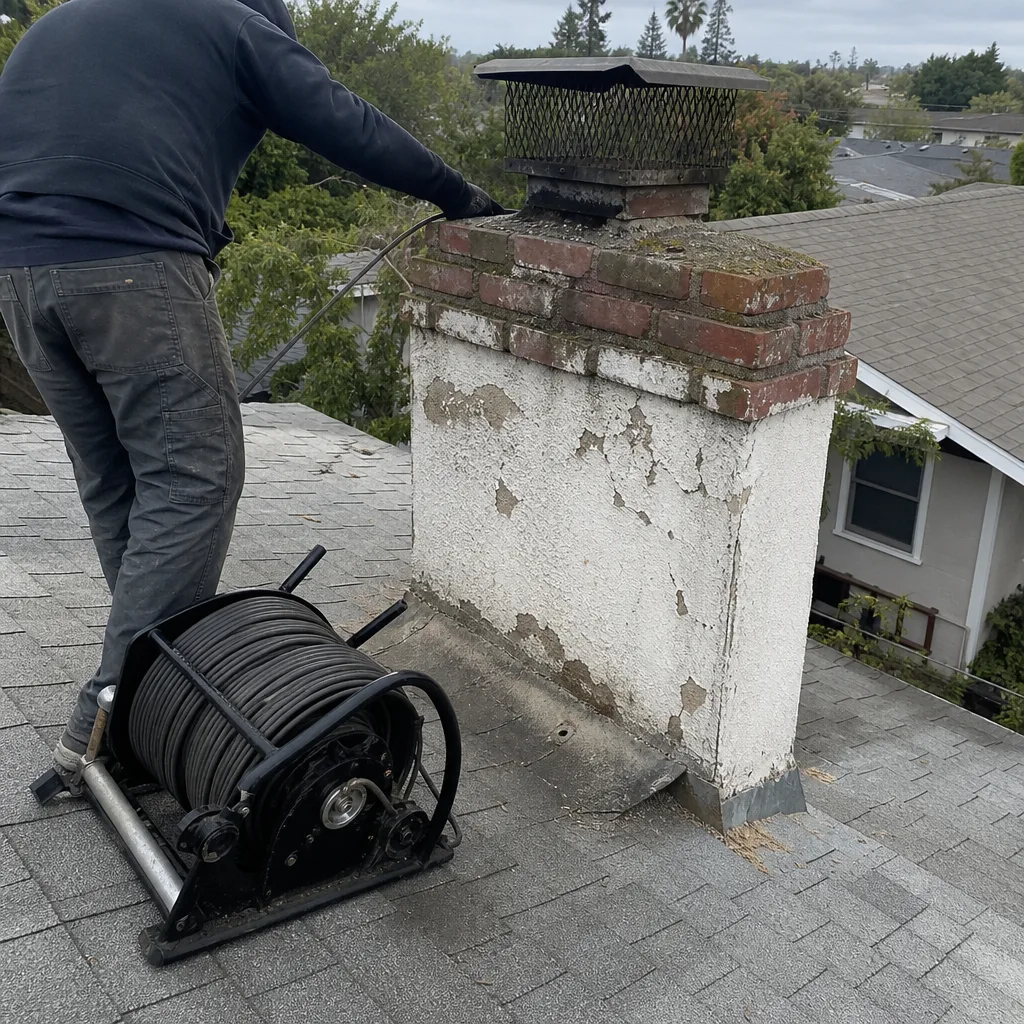
Efflorescence is the white, chalky residue that appears on brick, block, or stone chimney exteriors. It forms when water enters the masonry, dissolves naturally occurring salts and minerals in the mortar or brick, migrates to the surface, and evaporates, leaving the minerals behind. In our experience working on chimneys across Bay Terraces, the pattern of staining is often more informative than the staining itself. A broad, uniform white film near the top of the chimney typically means the crown is allowing water in. Streaks running vertically from a single point usually indicate a failing mortar joint or cracked brick at that location. Staining concentrated at the roofline often means flashing has separated where the chimney meets the roof deck.
Bay Terraces gets roughly 10 inches of rain annually, which doesn’t sound like much. But the moisture problem here isn’t volume. It’s persistence. The coastal marine layer means chimneys stay damp for extended periods even when it isn’t raining, and fog condenses on masonry surfaces that never fully dry out. That prolonged moisture exposure is what drives efflorescence. The minerals wouldn’t be migrating if the masonry weren’t holding water. And masonry that holds water is masonry that’s deteriorating from the inside out, regardless of how it looks from the street.
Where to Look for the Source
- Crown cracks or spalling: Walk back far enough to see the top of the chimney. Hairline cracks you can spot from the ground may be a quarter-inch wide up at the crown. This is the single most common entry point for water in Bay Terraces homes.
- Flashing separation: Look where the chimney meets the roofline. If the metal flashing has pulled away, shows rust, or has exposed nail heads, water is getting in at that junction.
- Mortar joint erosion: Run your eyes vertically up the chimney face. Recessed mortar joints channel water instead of shedding it. This is especially common on chimneys built before the 1980s, and many Bay Terraces homes fall in that range.
- Brick faces at the roofline: Darkened brick or brick that looks perpetually wet even in summer indicates water being held near the roofline, usually from flashing failure or wind-driven rain entering through deteriorated mortar.
Smoke Backdrafting Into Living Spaces: The Pressure and Draft Causes
When smoke rolls back into your living room instead of up the flue, most homeowners assume something is blocking the chimney. Sometimes that’s true. But backdrafting has three distinct causes, and only one of them is physical obstruction. Knowing which one you’re dealing with changes the fix entirely.
The first cause is structural blockage. A bird nest, a collapsed flue tile, deep creosote buildup, or a failed damper plate can narrow the flue passage enough that smoke can’t exit fast enough. When the flue can’t carry the volume, the smoke finds the path of least resistance, which is backward into the house. This is the easiest to diagnose visually with a camera inspection, and it’s the reason a professional sweep matters. A standard visual check from below catches maybe the first few feet of flue. A camera on a rotating head shows the full liner, and that’s where blockages hide.
The second cause is negative pressure inside the home. Modern Bay Terraces homes are tighter than they were thirty years ago. New windows, weather stripping, and insulation all reduce the amount of outside air that can enter. When you’re running a bathroom fan, a kitchen hood, a dryer, or even a forced-air furnace, those appliances are pulling air out of the house. If there isn’t enough makeup air coming in, the house goes slightly negative relative to outside, and the chimney becomes the air intake. Smoke follows air pressure, not gravity. The fix here may be a fresh-air intake or simply opening a window an inch during startup. A competent sweep can identify this by testing draft with a smoke pencil before and during appliance operation.
The third cause is stack effect and flue temperature. In warm weather, the air inside the chimney is denser than the air outside, and the natural draft direction reverses. You’re trying to push combustion gases down a column of cold, heavy air. A preheated flue addresses this, as does a proper chimney cap that prevents cold-air inversion from resetting the draft direction. Bay Terraces’s mild climate means many homes rarely get the sustained cold-weather draft conditions that northern chimneys rely on, which actually makes flue temperature management more important here, not less.
Summer Fireplace Odor: Coastal Humidity, Creosote Chemistry, and Why Cleaning Fixes It
A fireplace that smells fine all winter can turn aggressive in July. That’s not your imagination, and it’s not a ventilation problem. It’s chemistry. Creosote, the black or brown residue that accumulates on the flue walls when wood burns incompletely, is a complex mixture of tars, acids, and organic compounds. In dry, cool weather, those compounds stay relatively stable. In warm, humid air, they release volatile odor molecules. Bay Terraces summer humidity, especially during morning overcast periods, provides the perfect conditions for that release. The smell you’re detecting is the flue’s accumulated creosote off-gassing directly into your living room through the open damper.
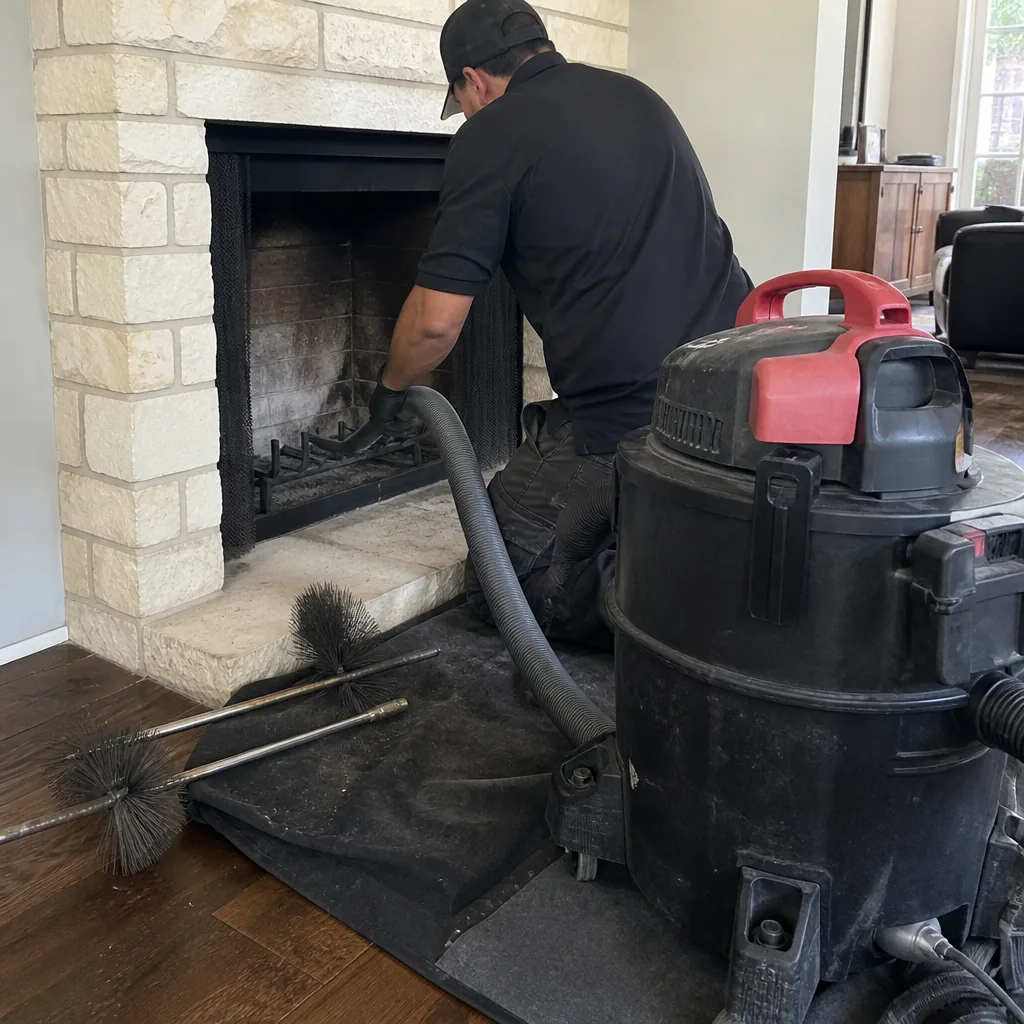
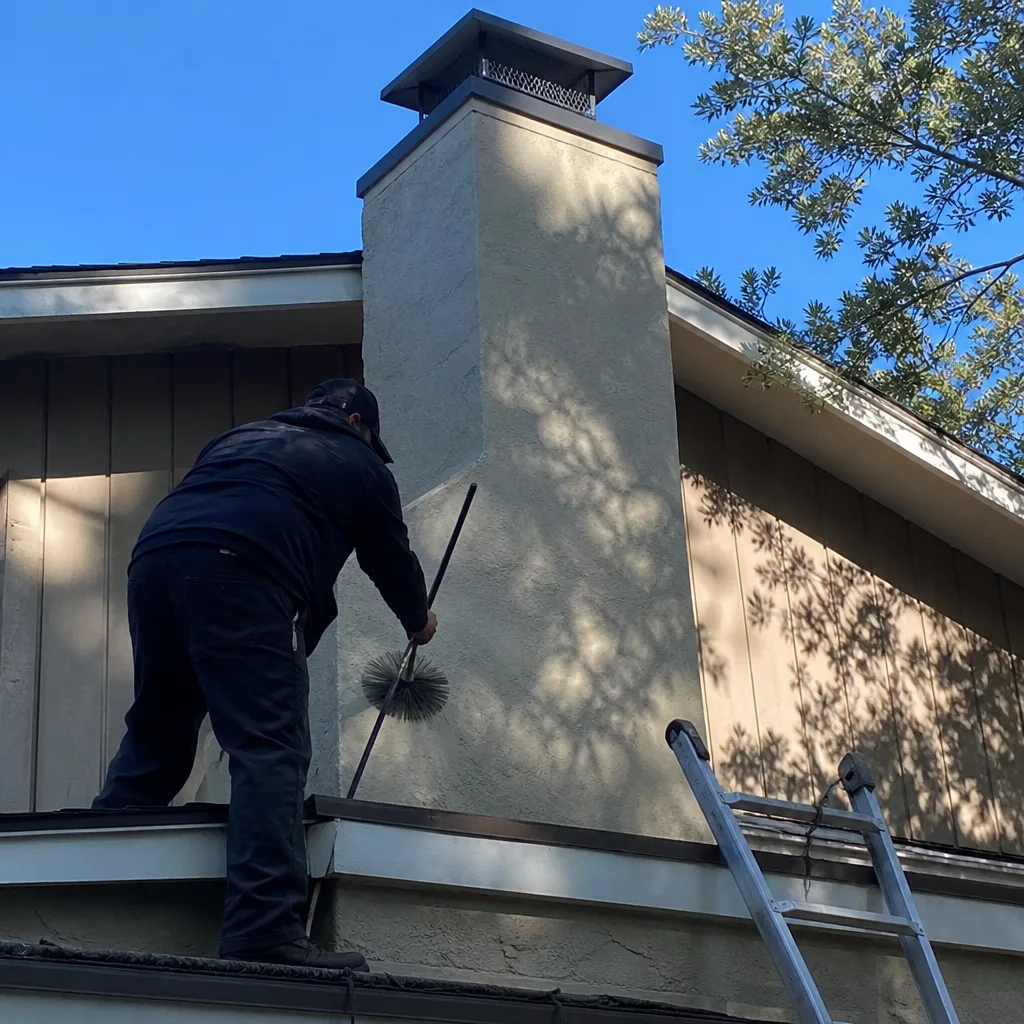
This is why summer chimney odor is a cleaning indicator, not a ventilation fix. Venting the fireplace or adding a dehumidifier masks the symptom without removing the source. The only durable solution is removing the creosote that’s generating the smell. A proper mechanical sweep with rotary rod and chain whip attachments scrapes the flue walls down to the tile or liner surface, removing the creosote layer instead of just knocking down the loose top layer. In our experience, homeowners who report summer odor usually have a creosote accumulation of at least 1/8 inch, sometimes more, and the smell doesn’t return for at least two seasons after a thorough sweep.
One more note on summer odor: gas fireplaces can produce a similar smell, but the source is usually dust and debris burning off the logs or accumulated soot inside the firebox. If the smell is dusty-metallic rather than acrid-tar, you may just need a firebox cleanout. If it’s sharp and organic and reminds you of a campfire the next day, the creosote is the culprit. Both are addressed by a professional service, but the diagnosis changes what’s actually done.
Spalling, Cracked Crowns, and Deteriorating Mortar Joints
Spalling is the term for brick faces popping off or flaking away. It happens when water inside the brick freezes and expands, fracturing the surface from within. Here’s what surprises Bay Terraces homeowners: you don’t need a harsh winter for freeze-thaw damage. A brick that’s saturated with water only needs a single overnight dip below 32°F to start the spalling cycle. Bay Terraces temperatures rarely stay below freezing for long, but they do drop below freezing several times per winter, and saturated brick doesn’t care whether the freeze lasts two hours or two weeks. The expansion stress is the same.
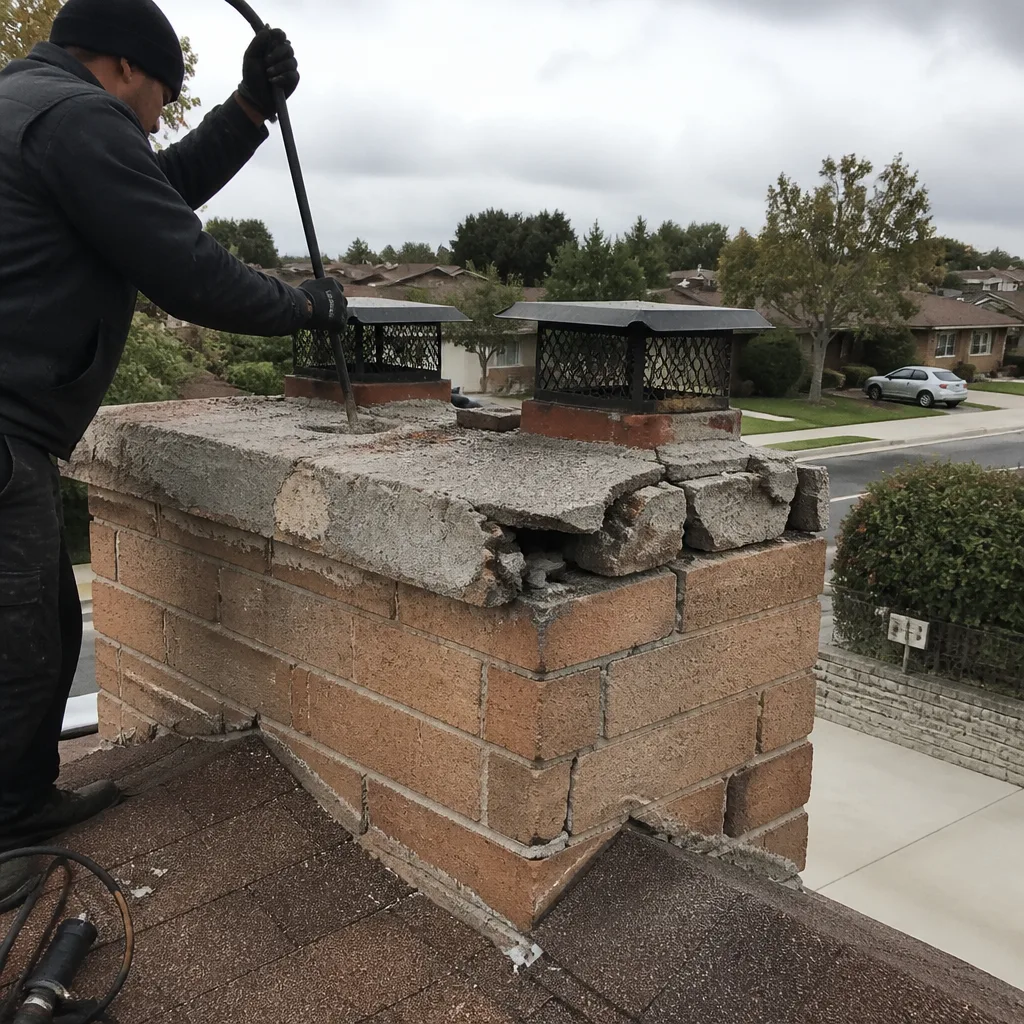
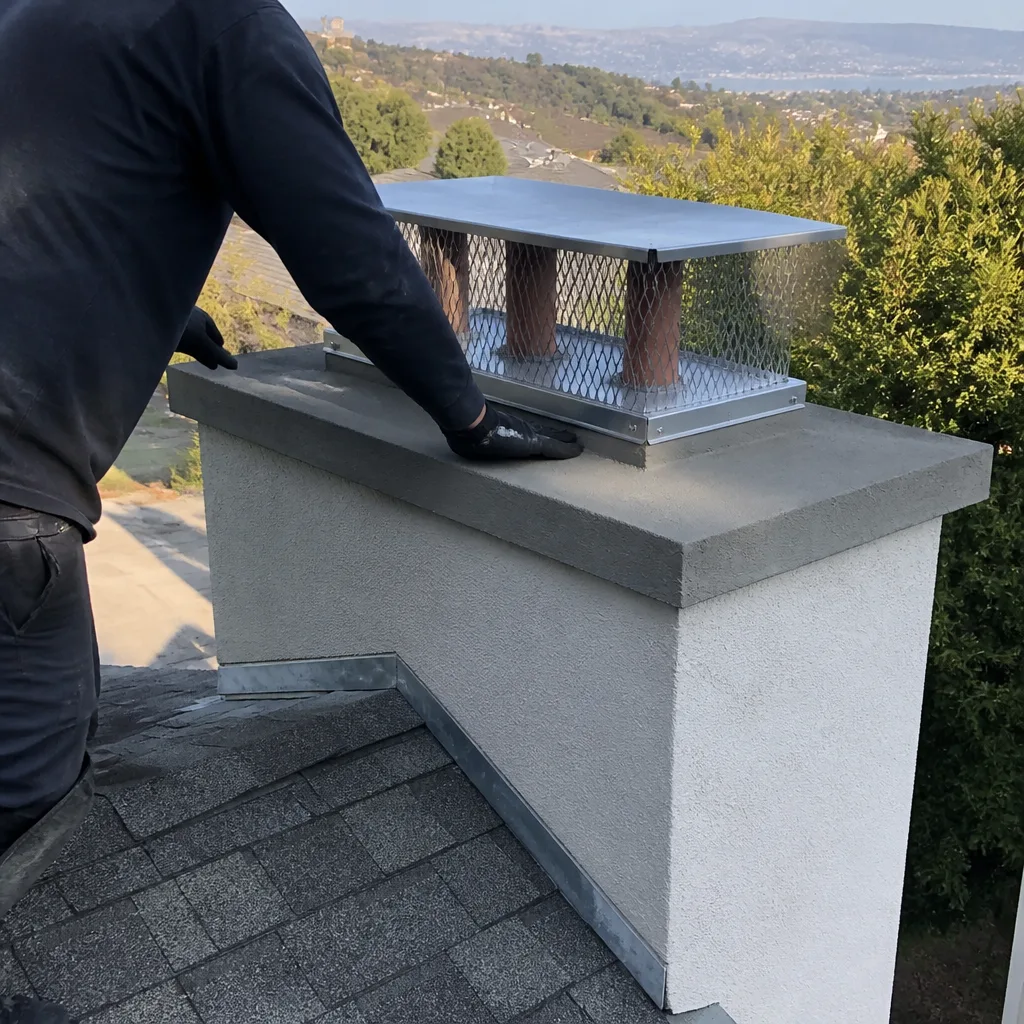
The crown is the concrete slab that caps the top of the chimney. It’s supposed to shed water away from the flue and out over the edges. Most crowns in older Bay Terraces homes were poured with standard concrete mix and no expansion joint between the crown and the flue tile. Concrete expands with temperature, and the flue tile doesn’t. Over time, the crown develops hairline cracks that widen every season. Once water gets into the crown, it infiltrates the masonry below, and spalling follows within a few years. You can spot a failing crown by looking for small cracks radiating from the flue tile, or concrete that’s begun to crumble at the edges.
Deteriorating mortar joints look like they sound: the grey material between the bricks starts to recess, crack, or fall out in chunks. The mortar is the chimney’s structural spine. When it breaks down, individual bricks lose their bond to the chimney and start shifting under wind load. By the time you can remove a piece of mortar with your fingers, the joint has been failing for a while. This is a repair that can’t be deferred safely.
The fix for spalling brick, cracked crown, or eroded mortar is a Chimney Repair in Bay Terraces job, not a sweep. The right repair usually involves crown rebuilding with proper expansion clearance, tuckpointing to restore mortar bond, or rebuilding sections where brick has already lost structural integrity. Our repair work uses professional-grade materials from brands like Gelco and Olympia Chimney, the same product lines chimney professionals specify for crown and masonry restoration.
Damper That Won’t Seal or Rattles: Metal Fatigue and Salt Air
Your damper is a metal plate that seals the throat of the chimney when the fireplace isn’t in use. When it’s open, combustion gases exit through the flue. When it’s closed, it should form a seal that keeps conditioned air inside the house and pests outside. In older homes, the damper is usually cast iron or thin steel. In many Bay Terraces homes within a few miles of the coast, salt air accelerates corrosion on any exposed metal surface, and damper mechanisms are especially vulnerable because they sit right at the boundary between conditioned indoor air and unconditioned outdoor air.
A damper that rattles usually has worn linkage: the handle, rod, or hinge between the lever and the plate has loosened, and the plate now swings freely in response to pressure differences. That’s annoying, but it’s also a symptom of a deeper issue. If the linkage is loose enough to rattle, it’s loose enough that the damper isn’t fully sealing, and a damper that doesn’t seal is a damper that’s letting conditioned air escape and outside air enter year-round. The problem compounds when you consider that a permanently open damper is also a pest entry point for birds, rodents, and insects.
A damper that won’t fully close is more serious. The plate may have warped from repeated heat cycling, the frame may have rusted or bent, or creosote buildup on the frame is physically preventing the plate from seating. When the damper won’t seal, the fireplace becomes an open vent to the outside. In summer, that means humid air enters your living room. In winter, warm air is being pulled out continuously. The draft through an unsealed damper can move enough air to noticeably affect heating and cooling bills, especially in Bay Terraces’s mild winters where the furnace cycles on and off frequently.
Damper inspection is part of every sweep we do through our chimney sweeping service in Bay Terraces, and it’s one of the items where we frequently find problems the homeowner didn’t know existed. The damper is out of sight for most people, and unless you’re specifically checking it, a damper that’s 80% closed looks closed.
What to Do When You Spot a Warning Sign: A Step-by-Step Diagnostic Sequence
You’ve noticed one of the warning signs above. Here’s the order of operations we recommend, based on what actually helps a professional diagnose accurately and what wastes everyone’s time.
- Document what you’re seeing. Take a photo of the staining, the crack, the damper, or the smoke pattern. If the sign is seasonal, wait for it to recur and photograph it then. The pattern matters more than you think, and a visual record helps.
- Note the conditions. When does the odor appear? Does the smoke backdraft only when the dryer is running? Does the rattling happen only in wind? These contextual clues narrow the diagnostic path significantly.
- Do NOT attempt DIY masonry repair. Sealants and caulk applied over failing mortar or cracked crowns trap moisture inside the masonry and accelerate spalling. A 20-dollar tube of caulk can turn a 400-dollar crown repair into a 3,000-dollar rebuild.
- Schedule a professional inspection. A proper chimney inspection includes visual assessment from the roof level, camera inspection of the flue liner, and smoke draft testing. This takes about 45 minutes to an hour and gives you a concrete picture of what’s wrong.
- Get the findings in writing with photos. Any reputable chimney professional should be able to show you exactly what they’re seeing, not just describe it. Camera documentation is standard practice.
- Act on the repair priority, not the repair list. A good professional will tell you which items are urgent, which can wait a season, and which are maintenance items that can wait indefinitely. If everything on the list is marked urgent, get a second opinion.
Common Mistakes to Avoid
- Painting over efflorescence with waterproof sealant. Trapped moisture accelerates masonry decay. The correct response is to find and fix the water entry point, then address the stain. Sealing over it doesn’t stop the water cycle.
- Burning creosote-dissolver logs instead of scheduling a sweep. Chemical logs can break down the top layer of creosote, but they don’t remove the tar glaze that’s actually the fire hazard. A mechanical sweep removes what the log can’t touch.
- Ignoring summer odor. The smell isn’t just a nuisance; it’s the Creosote telling you the flue needs attention. Letting it ride for another year means another year of buildup in a warmer, more humid environment, which makes the next fire season tighter.
- Operating the fireplace with a partially open damper. A partially open damper draws combustion byproducts unevenly and can lead to faster creosote accumulation from incomplete combustion. It also wastes energy constantly.
- Waiting for visible chimney damage to schedule an inspection. The interior flue condition is invisible from outside. Significant creosote accumulation, cracked flue tiles, and failing liner seams often have zero exterior indication until the problem is already serious.
- Assuming a newer home doesn’t have chimney issues. Bay Terraces homes built within the last 20 years can have pre-existing installation defects, especially around crown design and flashing work. Age isn’t a reliable protection.
When to Call a Professional
Call a professional when you see efflorescence you can’t trace to a single obvious source, when smoke backdrafts into the room even once, when the fireplace smells during summer, when you notice spalling or cracking from the ground, or when your damper rattles in the wind. These aren’t conditions that resolve on their own, and all of them either indicate existing structural compromise or set up conditions for it. The inspection itself is inexpensive relative to the repairs it can prevent, and you’ll know exactly what you’re working with instead of guessing. Chimney Sweep Bay Terraces offers free estimates in Bay Terraces. Call (833) 756-1092 and we’ll schedule an inspection that tells you what’s actually wrong, what needs attention now, and what can wait.
Frequently Asked Questions
A chimney needs mechanical cleaning when creosote accumulation reaches 1/8 inch or more, which a professional can measure during inspection. Visible indicators include the fireplace odor returning within a few months of previous cleaning, smoke entering the room during fires, or creosote flakes falling into the firebox. An inspection with camera documentation confirms what you’re dealing with. When in doubt, call (833) 756-1092 and schedule an inspection rather than guessing.
Efflorescence itself is cosmetic, but it’s a diagnostic marker for water infiltration, which is the single most common cause of progressive chimney structural damage. The stain tells you water is moving through the masonry. Where it’s coming from determines whether the issue is urgent or manageable. A professional inspection can trace the source. Any water entry point left unaddressed for multiple seasons will eventually cause spalling or mortar failure.
Summer fireplace odor comes from creosote off-gassing in warm, humid air, especially in Bay Terraces where morning coastal humidity is common most of the year. The creosote releases volatile compounds when the humidity rises, and those compounds travel down through the open damper into your living space. The fix is removing the creosote through a professional sweep. Masking the smell with air fresheners or sealing the firebox doesn’t address what’s generating the odor.
This is a job for a professional-masonry restoration contractor, not a DIY weekend project. Crown repairs involve matching proper mortar or concrete mixes, creating correct slope for water drainage, installing expansion space between the crown and flue tile, and often rebuilding portions of the crown from scratch. An improper patch can trap moisture in the masonry below and create a worse problem than the one you started with. If your crown is cracked, the most cost-effective response is a professional repair using specified crown-coat products. See our Choosing the Right Chimney Cleaning Brand: A Buyer’s Guide for Bay Terraces for product guidance.
A rattling chimney damper usually means the linkage between the lever and the plate has loosened, and the plate is now moving freely with pressure changes. It’s also an indicator that the damper isn’t fully sealing. An unsealed damper means conditioned air escaping year-round and pest entry opportunity. Since the damper sits in a corrosive zone where Bay Terraces’s salt air accelerates metal degradation, a rattling damper should be inspected to determine whether it needs repair or replacement.
The National Fire Protection Association standard is that chimneys should be inspected at least annually and cleaned when creosote or soot accumulation reaches 1/8 inch. For wood-burning fireplaces in Bay Terraces, that typically translates to a sweep every 1 to 2 years depending on burn frequency and wood quality. Gas fireplaces need less frequent cleaning but still warrant annual inspection. The annual rhythm catches liner deterioration and masonry issues before they become structural problems. Our dryer vent cleaning service in Bay Terraces addresses the other fire risk in the home that most chimney companies skip entirely.
The Bottom Line
Chimney warning signs are clues, not verdicts. Efflorescence tells you water is moving where it shouldn’t. Backdrafting tells you the pressure physics are working against you, sometimes from blockage and sometimes from negative house pressure. Summer odor tells you creosote is off-gassing in humidity. Spalling and crown cracks tell you the freeze-thaw cycle has already begun. A rattling damper tells you metal fatigue and corrosion are underway. Bay Terraces homes face specific conditions that make these signs appear earlier and worsen faster: persistent coastal humidity, salt air near the coast, and older housing stock with original masonry. The diagnostic sequence is straightforward: notice the sign, document the conditions, schedule an inspection with camera documentation, and act on what’s actually found. Chimney Sweep Bay Terraces serves homeowners across Bay Terraces with a full-service approach: chimney sweeping, structural repair, and dryer vent cleaning handled by the same specialist team using professional-grade materials including DuraFlex and HeatShield systems. Call (833) 756-1092 for a free estimate.
Written by the team at Chimney Sweep Bay Terraces, serving Bay Terraces since 2011. Explore more guides & resources on our blog.
See the difference
 Before
 After
 Before
 After
 Before
 After