
Last updated November 2, 2026
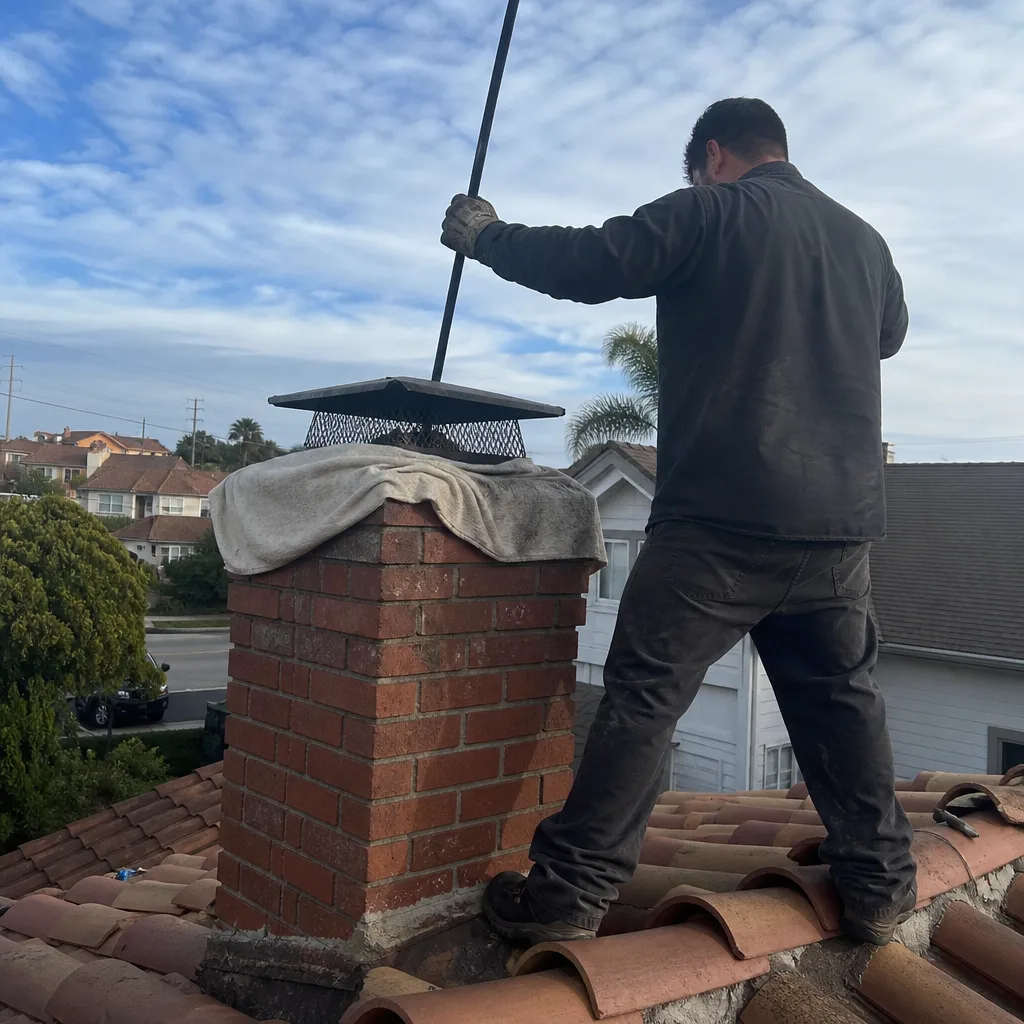
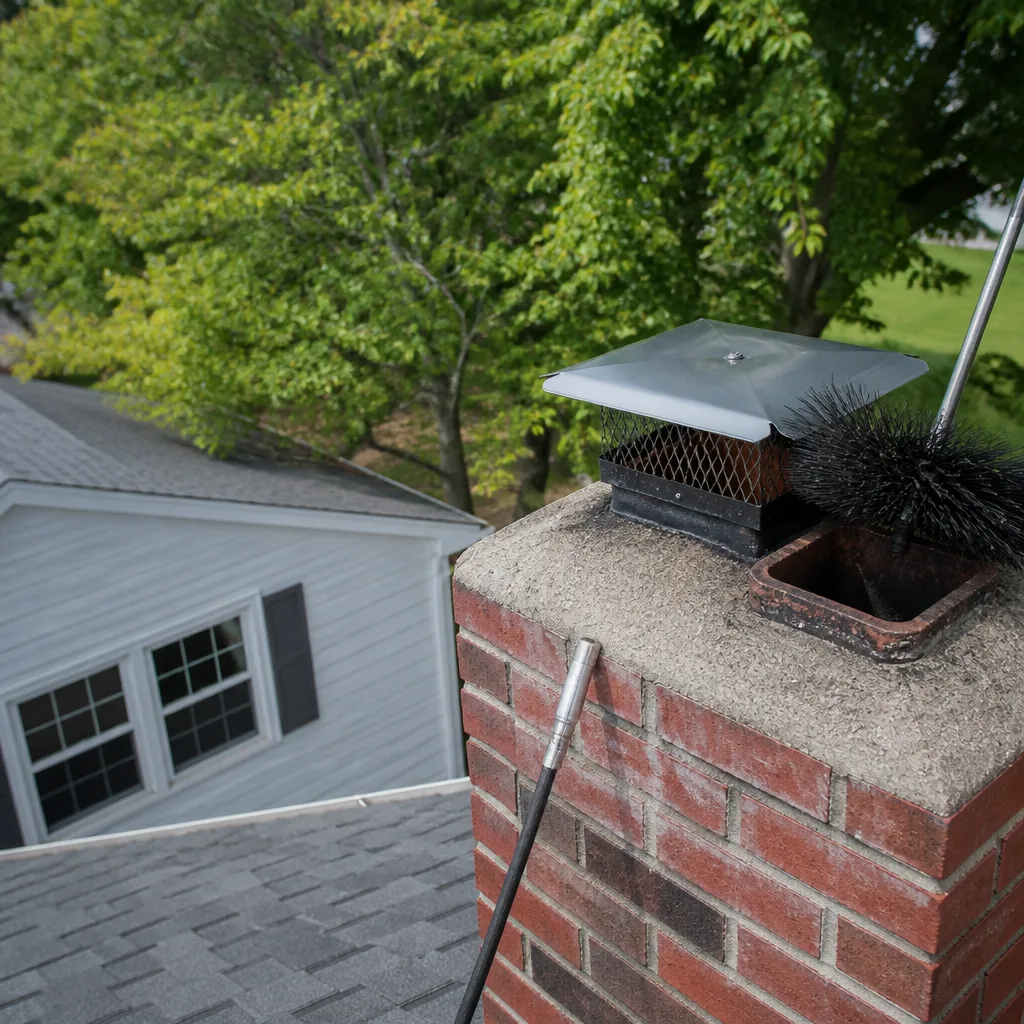 Sweep & inspection
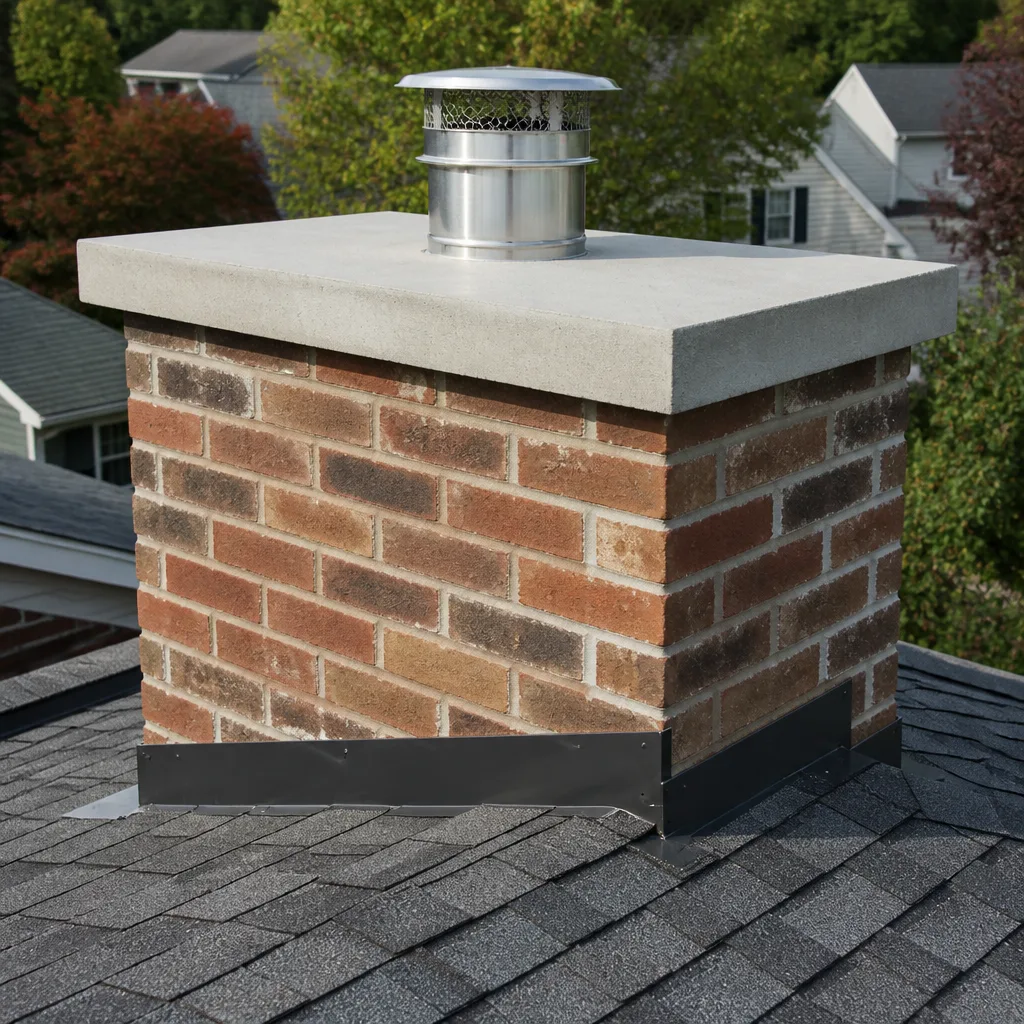
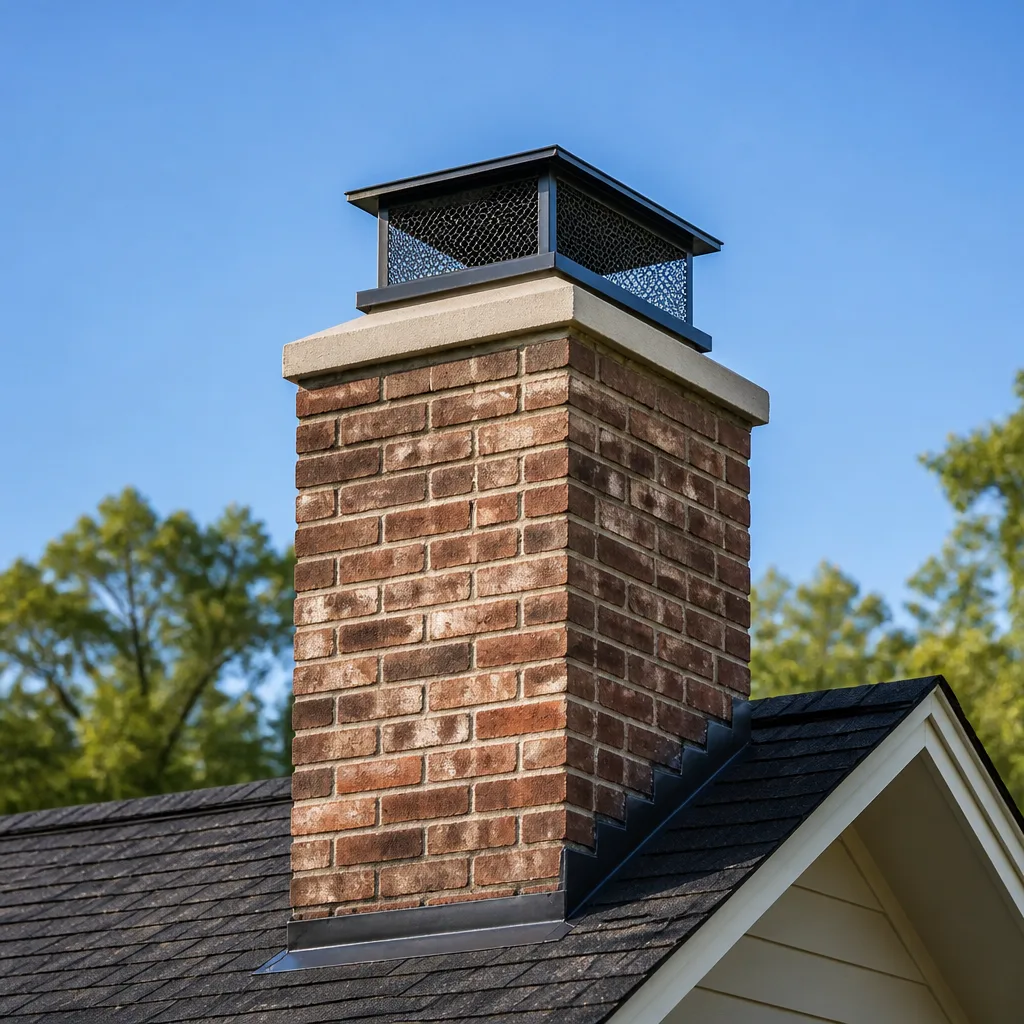 Caps & crowns
 Flue relining
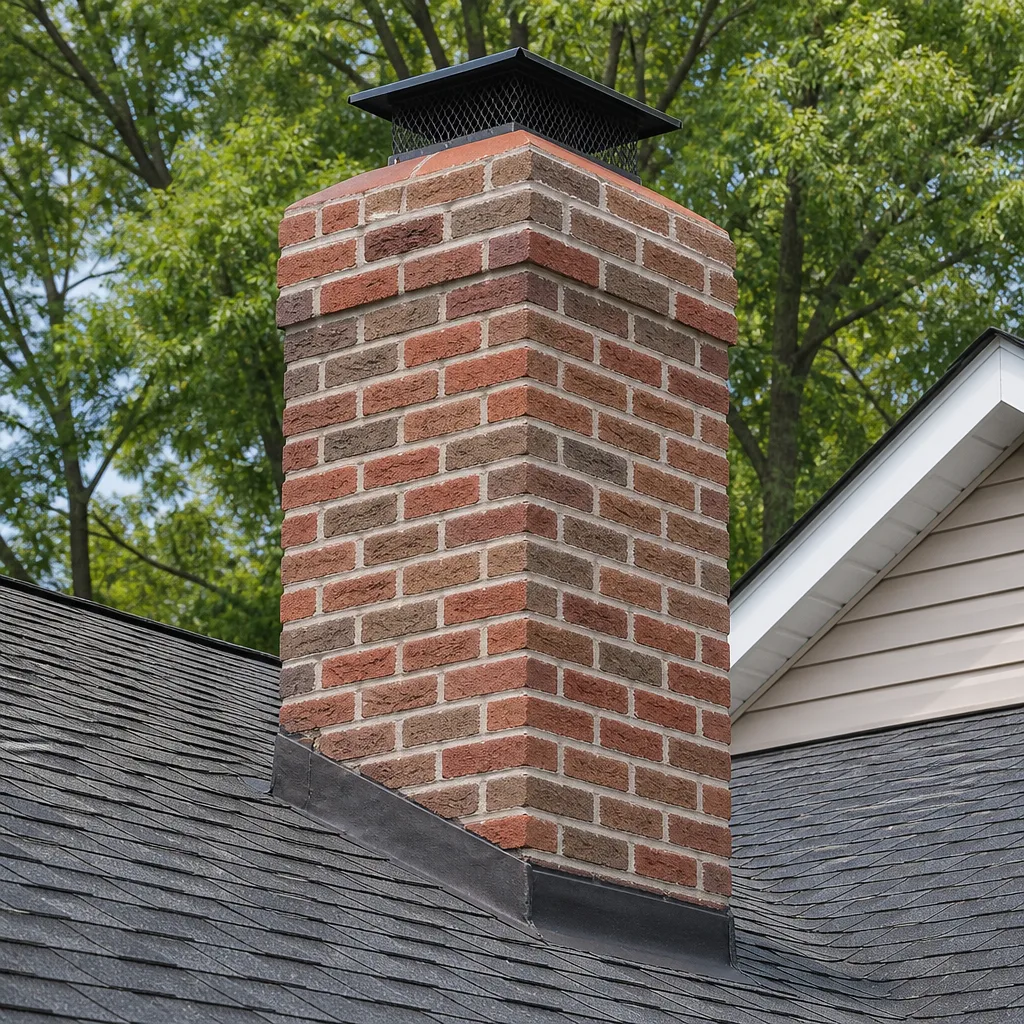 Masonry repair
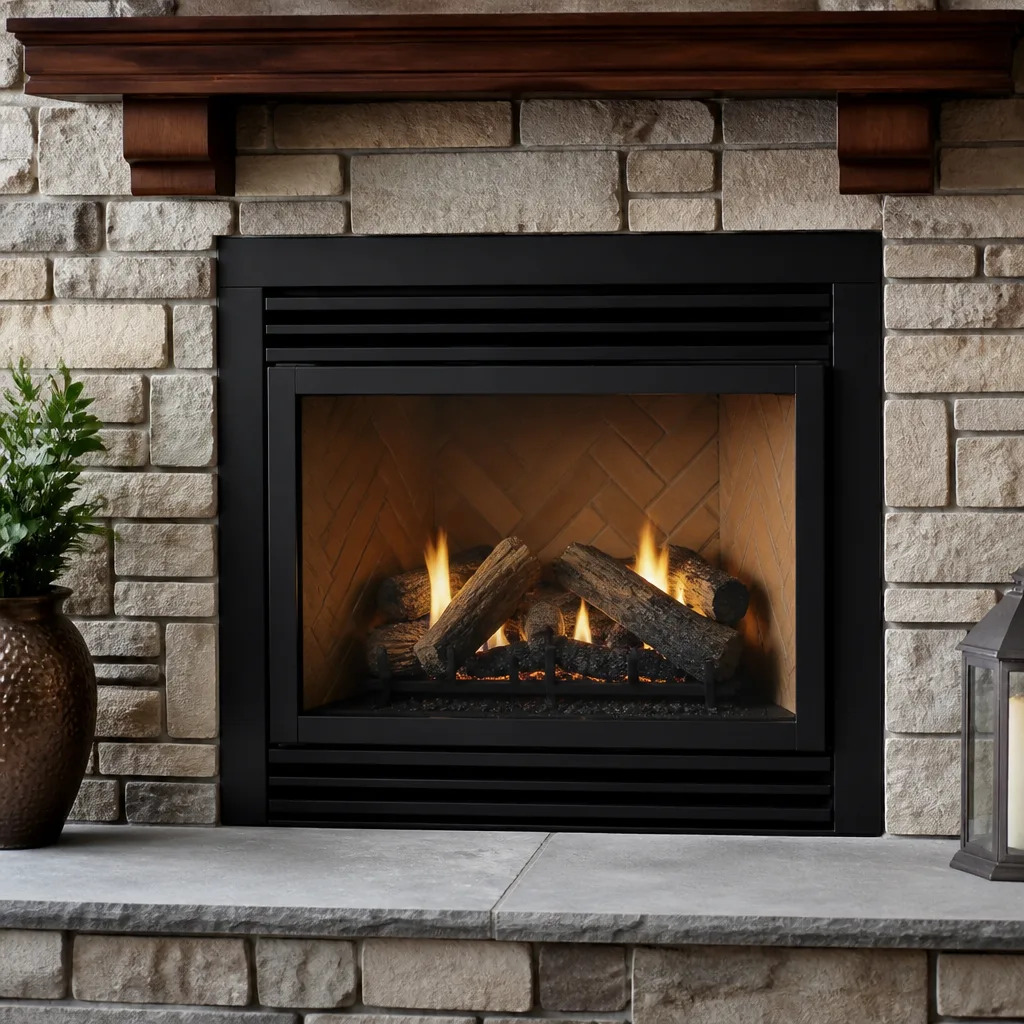 Gas fireplace service
Level 1 sweep and inspection to the NFPA 211 annual standard - flue, crown, cap, and flashing checked and photographed
Chimney sweep logs do not sweep chimneys. They loosen some creosote - which then falls where a brush and vacuum still have to collect it.
Chimney Cleaning Emergency Preparedness Guide for Bay Terraces Homes
A chimney fire doesn’t always sound like a roar. Many burn slow and quiet inside the flue, detectable only by a heavy pine smell, visible smoke coming from the roofline above the cap, or a damper that suddenly runs hot to the touch. Most homeowners who have had one didn’t know it was happening until a sweep pulled creosote glass off the walls and showed them the cracked flue tiles. This guide covers the window between something going wrong and the fire department arriving: what to look for, what to do in the first ten minutes, and how Bay Terraces homeowners can prevent the three most common chimney emergencies before they start. For Chimney Cleaning Warning Signs: A Bay Terraces Homeowner’s Reference Guide and related resources, see our blog. We’ll cover chimney fires, carbon monoxide intrusion, and water damage, and we’ll map each one back to a maintenance schedule that keeps your fireplace safe to use.
Quick Answer
If you suspect a chimney fire, close the damper, get everyone out of the house, and call 911 from outside. Do not open the damper to “vent” the fire, and do not use water on it. After the fire department clears the scene, the chimney is not safe to use until a certified sweep performs a Level 2 inspection, which checks the flue lining, masonry, and hidden voids for damage you cannot see from the ground in Bay Terraces.
Styles & brands we work with
- Sweep & inspection
- Caps & crowns
- Flue relining
- Masonry repair
- Gas fireplace service
Table of Contents
- How to Identify a Chimney Fire in Progress
- Immediate Action Protocol: The First Ten Minutes
- Carbon Monoxide and Your Chimney: The Silent Emergency
- Water Damage: The Emergency That Compounds
- After the Fire: Why a Survived Chimney Is Not a Safe Chimney
- The Prevention Timeline: Mapping Maintenance to Emergencies
- Common Mistakes to Avoid
- When to Call a Professional
- Frequently Asked Questions
How to Identify a Chimney Fire in Progress
The image most people carry of a chimney fire is a column of flame shooting out of the top of the flue. That does happen, but it’s the late stage. The early stage is quieter, and that’s the problem: homeowners in Bay Terraces miss the warning signs because they don’t know what to look for. Creosote, the tar-like residue that condenses on flue walls when wood smoke cools too quickly, can ignite at temperatures as low as 451 degrees Fahrenheit. A slow-burning creosote fire sits inside the flue, hidden behind brick or prefab chimney chase walls, and it can smolder for a long time before anyone outside notices.
Here’s what a chimney fire in progress actually looks and sounds like from inside the house:
- A heavy, acrid smell that’s often described as tar, hot asphalt, or burning pine needles. It’s not the pleasant campfire smell of a normal burn.
- A rumbling or popping sound from behind the fireplace wall, like a distant freight train or a low, rhythmic crackling that doesn’t match the fire in the firebox.
- Dense, dark smoke billowing from the chimney cap, not the wispy white smoke of a healthy fire.
- The damper or firebox surround running unexpectedly hot to the touch, beyond what a normal fire produces.
- Flames visible at the chimney top, which confirms the fire has reached the flue exit and is now drawing air aggressively.
In our experience, the smell is the signal most homeowners in Bay Terraces catch first. If you walk outside to the front yard and smell hot tar near the roofline, pay attention. That’s not a neighbor’s barbecue. That’s creosote burning inside your flue. If you’re inside a room adjacent to the chimney chase, you might also hear the metal popping of a prefab chimney system expanding under heat, a sound that’s easy to dismiss as house settling but isn’t.
Immediate Action Protocol: The First Ten Minutes
What you do in the first ten minutes determines whether a chimney fire stays contained in the flue or spreads into the house structure. Here’s the protocol, in order:
- Close the damper. This cuts off the air supply to the flue. Fire needs oxygen, and a closed damper slows a chimney fire dramatically. Do this only if you can reach the damper lever without putting your face near the firebox opening. If you can’t reach it safely, skip to step two.
- Evacuate everyone from the house, including pets. Do not stop to gather belongings. A chimney fire can enter the attic or wall cavities through cracks in the flue liner in minutes, and the smoke from structural fires is toxic.
- Call 911 from outside. Tell the dispatcher you have a chimney fire, not a general house fire. Fire crews respond differently when they know the fire is inside the flue, and they’ll bring the right equipment to check for extension into the attic.
- Do not open the damper to “vent” the fire. This is the most common mistake people make. Opening the damper feeds the fire oxygen and can turn a slow burn into a blowtorch. It also increases the draw, which can pull burning creosote up through the flue and out the top, spreading embers onto your roof and the roofs of neighboring Bay Terraces homes.
- Do not use water. Water on a hot flue can cause thermal shock that cracks flue tiles instantly, turning a contained chimney fire into a structural fire inside the walls. Water also creates steam explosions inside a confined flue. Let the fire department handle suppression.
- Once the fire is out, do not relight anything. The chimney is out of service until a Level 2 inspection. No exceptions.
Bay Terraces sits in a high-density residential pattern where homes are often close together. A chimney fire that spreads embers onto a neighboring roof is a real risk here, especially during the dry season when shake and composite roofing materials are already primed to catch. This is why the ten-minute window matters. You’re not just protecting your own home; you’re protecting your neighbors’ homes too.
Carbon Monoxide and Your Chimney: The Silent Emergency
Chimney fires are dramatic. Carbon monoxide is not. It has no smell, no color, and no taste, and it kills people in their sleep before they ever know something is wrong. Every year, between 200 and 400 Americans die from accidental CO poisoning, and a significant number of those deaths trace back to blocked, damaged, or poorly maintained chimney and venting systems. This is the emergency that never announces itself, and it’s the one our team at Chimney Sweep Bay Terraces home is most careful to explain to homeowners.
Here’s how a chimney creates a carbon monoxide problem:
- A blocked flue. Bird nests, squirrel nesting material, leaves, or collapsed creosote can obstruct the flue passage. When exhaust gases can’t rise, they fall back into the living space.
- A failed flue liner. Cracked clay tiles or rusted-through metal liners create gaps that let exhaust escape into wall cavities, attics, or living spaces instead of exiting through the chimney top.
- Backdrafting. Negative air pressure in the house, often caused by bathroom fans, kitchen range hoods, or a tightly sealed building envelope, can pull combustion gases backward into the room instead of letting them rise up the flue.
- A cold chimney. Bay Terraces nights can get cool, and when a chimney is cold, it doesn’t draw well. The first ten minutes of a fire in a cold chimney can push exhaust into the house before the draft establishes.
The connection to cleaning is direct. A professional sweep removes the creosote, debris, and critter material that create blockages. A camera inspection, which any thorough Chimney Sweep in Bay Terraces includes in a full service, identifies liner cracks and gaps before they become CO pathways. And that’s the point: CO emergencies are almost entirely preventable with a clean, intact flue and a working carbon monoxide detector on every level of the home. If you have a gas fireplace in Bay Terraces, you need a CO detector regardless of how often you use it. Gas logs produce carbon monoxide on every burn, and the venting system has to be clear for that gas to leave the house.
Water Damage: The Emergency That Compounds
Water is the slow-motion chimney emergency. It doesn’t announce itself with sirens. It announces itself with a dark stain on the ceiling near the chimney chase, a musty smell in the firebox during the rainy season, or masonry spalling that leaves brick fragments on the hearth. Bay Terraces gets most of its rain in a short winter window, and when water gets into a chimney system, it does damage fast.
Here’s what water does once it gets inside:
- Degrades creosote. Water mixing with creosote creates acidic compounds that eat at masonry joints and metal components. The flue becomes weaker, not stronger, after water exposure.
- Freezes and expands. Cold snaps after rain force water in brick pores and mortar joints to freeze and expand. The cycle of freezing and thawing is why old brick chimneys in Southern California start shedding spalled brick faces after just a few winters.
- Rusts metal components. Dampers, firebox doors, and metal flue liners all corrode when water sits on them. A rusted damper is harder to operate and can fail closed, creating a CO risk.
- Invites mold. Water that reaches the chase or the wall cavities around a prefab chimney provides the moisture mold needs to colonize. By the time you smell it, the problem has been running for a while.
Prevention here is mechanical: a chimney cap that fits properly and is kept clear of debris, a chase cover that doesn’t leak, and a crown that isn’t cracked. Routine chimney cleaning is the moment when all of these get checked. We look at the cap. We check the crown. We inspect the flashing where the chimney meets the roofline. When we find small issues during a sweep in Bay Terraces, we note them and fix them before they become water-damage emergencies. The cost of replacing a chimney cap during a routine visit is a fraction of the cost of rebuilding a water-damaged chimney chase a year later.
After the Fire: Why a Survived Chimney Is Not a Safe Chimney
Here’s the scenario that worries us most: a Bay Terraces homeowner has a slow chimney fire, the fire department clears the scene, and nothing looks visibly damaged from the ground. The homeowner waits a few weeks, lights a fire on a cold evening, and the fire spreads into the wall because the flue liner cracked during the original event and no one checked. That’s how houses burn down weeks after the “fire” was put out.
A chimney that has experienced any fire, even a small one, is not safe to use until a Level 2 inspection is completed. This is the standard every professional sweep follows, and it exists for a reason. A Level 2 inspection includes:
- A full visual inspection of the accessible interior and exterior of the chimney, including the flue, the smoke chamber, the firebox, and the chimney crown.
- A camera scan of the flue liner, which shows cracks, gaps, and displaced flue tiles that are invisible to the naked eye.
- An inspection of the attic and crawlspace around the chimney chase, looking for signs of heat transfer, charring, or smoke damage in hidden cavities.
- A check of the clearance to combustibles, verifying that the chimney still meets the required distance from framing, insulation, and roofing materials.
When the inspection reveals damage, the fix often involves a liner system. Our Chimney Repair in Bay Terraces team works with professional-grade relining products from brands like DuraFlex and Copperfield, which are the same product lines chimney professionals specify when a flue has to be rebuilt from the inside. A HeatShield resurfacing application can restore a cracked clay liner without a full teardown in many cases, and that’s the kind of solution that keeps a chimney in service without bankrupting the homeowner. The key point is that none of this happens without the post-fire inspection. Skipping it isn’t a money-saver. It’s a roll of the dice.
The Prevention Timeline: Mapping Maintenance to Emergencies
Here’s the part that connects everything. Every chimney emergency follows a predictable pathway, and routine maintenance interrupts that pathway at a specific point. The timeline below maps the three emergencies from this guide to the maintenance that prevents them:
Chimney Fires
Pathway: Wood smoke condenses into creosote on flue walls → creosote accumulates to 1/8 inch or more → elevated heat from a hot fire ignites the creosote → chimney fire.
Interruption point: Annual sweeping. Creosote of 1/8 inch or more is the threshold at which the National Fire Protection Association says the chimney must be cleaned before use. A professional sweep removes the fuel before ignition becomes possible. For heavy wood burners, the schedule may need to be every 50 to 60 fires, which for some Bay Terraces homes means twice a year.
Carbon Monoxide Intrusion
Pathway: Debris or creosote blocks the flue OR the liner cracks and gaps OR backdrafting overcomes the draft → exhaust gases enter living space → CO poisoning.
Interruption point: Annual inspection plus working CO detectors. The inspection finds blockages and liner damage before they become incidents. The detectors provide a backstop if something develops between inspections. Both are necessary. Detectors alone are not a maintenance plan.
Water Damage
Pathway: Cap, crown, or flashing fails → water enters the chimney system → creosote degradation, freeze-thaw damage, metal corrosion → structural deterioration.
Interruption point: Every service visit includes a cap and crown check. Water damage is the easiest emergency to prevent because the failure points are visible and the fixes are straightforward. A new chimney cap costs far less than a chase rebuild.
The timeline that works for most Bay Terraces homeowners is one full sweep and inspection at the end of the burning season, plus a visual check before the first fire of the season. If you burn more than two cords of wood a year, you need a mid-season sweep. If you have a gas fireplace, the schedule lightens but the annual inspection still matters because venting systems clog, caps rust, and liners crack on gas systems too.
Common Mistakes to Avoid
- Reopening the damper during a chimney fire. This feeds oxygen to the fire and can turn a contained burn into a blowtorch. The instinct to “vent” the fire is wrong. Close it, leave it closed, and get out.
- Using the fireplace after a chimney fire because “it looked fine.” Flue liner cracks are invisible from the ground and from the firebox. A Level 2 inspection with a camera scan is the only way to know the chimney is safe to use after any fire event.
- Treating a carbon monoxide alarm as a false alarm. If your CO detector goes off, get outside and call the fire department. Do not ventilate the house and go back to sleep. The detector is telling you something real. Figure out what.
- Burning treated lumber, construction scraps, or painted wood. These materials produce chemicals that coat flue walls and create a creosote variant that’s harder to remove and more prone to ignition. Fireplace wood should be seasoned hardwood only.
- Skipping the annual inspection because “we don’t use the fireplace much.” Low-use fireplaces still accumulate what the wind brings in, and birds don’t care how often you burn. Nests have been removed from fireplaces that hadn’t been lit in years.
- Forgetting the dryer vent. Your chimney sweep covers one fire risk, but your dryer vent is a separate and equally real one. Lint clogs create exactly the same conditions as creosote: fuel, heat, and restricted airflow. Dryer Vent Cleaning in Bay Terraces is a standalone service for a reason.
- Waiting for the rainy season to check the chimney cap. The time to find a rusted cap or cracked crown is before the rain, not after the ceiling stain appears. Bay Terraces winters arrive fast, and the window for pre-season checks is short.
When to Call a Professional
Call a professional sweep if you see creosote flaking from the damper area, smell a tar-like odor near the fireplace even when it’s cold, notice smoke entering the room instead of rising up the flue, or see water stains on the ceiling near the chimney chase. These are early warnings, and they’re all fixable before they become emergencies. Call after any chimney fire, no matter how minor it seemed, and before the first fire of the season if you haven’t had an inspection in the last twelve months. Chimney Sweep Bay Terraces offers free estimates in Bay Terraces for cleaning and inspection services. Call (833) 756-1092 and we’ll schedule a visit. The inspection finds what’s there. You decide what to do with the information, and we’ll give you straightforward advice either way.
Frequently Asked Questions
You’ll notice a heavy tar or pine smell, a rumbling or popping from behind the fireplace wall, dark smoke from the chimney top, or the damper and firebox running unusually hot. If you suspect a fire, close the damper, evacuate, and call 911 from outside.
No. Do not use water, do not open the damper, and do not climb onto the roof. Close the damper if you can reach it safely, get everyone out, and let the fire department handle it. A contained chimney fire is a fire department call, not a DIY moment.
The standard is once a year at minimum, with a second cleaning if you burn more than two cords of wood per season. The threshold that matters is creosote accumulation of 1/8 inch, and only an inspection can measure that. Annual cleaning plus a pre-season visual check covers most Bay Terraces homes.
Yes, and this is the most common outcome. The flue liner can crack, the mortar joints can loosen, and the damper can warp, all while the house structure remains untouched. A Level 2 inspection after any fire event is mandatory, not optional, which is why we stock relining products like DuraFlex, Copperfield, and HeatShield for repairs that follow post-fire inspections.
It’s both. Any appliance that burns fuel and vents through a chimney or flue can produce carbon monoxide, and a blocked or cracked chimney is a direct pathway for CO into your living space. Gas fireplaces, wood stoves, and even water heaters vented through a shared flue are all part of the picture.
A Level 1 inspection is a visual check of the readily accessible parts of the chimney during a routine cleaning. A Level 2 inspection adds a camera scan of the flue liner and an examination of the attic, crawlspace, and other hidden areas around the chimney. Level 2 is required after a fire, after a property transfer, or after any event that may have damaged the chimney. Contact Chimney Sweep Bay Terraces at (833) 756-1092 and we’ll help you determine which level applies to your situation.
The Bottom Line
Chimney emergencies follow patterns. A chimney fire is a creosote problem waiting for enough heat. Carbon monoxide intrusion is a blockage or liner failure waiting for a cold night. Water damage is a failed cap or crown waiting for the rainy season. Each has an interruption point, and each interruption point lives in the same simple habit: an annual sweep and inspection by someone who knows what to look for. Bay Terraces homeowners don’t need to become chimney experts. They need to know the warning signs, act correctly in the first ten minutes, and keep the maintenance schedule that prevents the emergency from ever starting. That’s what this guide is for. For more guides & resources, visit our blog. The rest is a phone call.
Written by the team at Chimney Sweep Bay Terraces, serving Bay Terraces since 2011.
See the difference
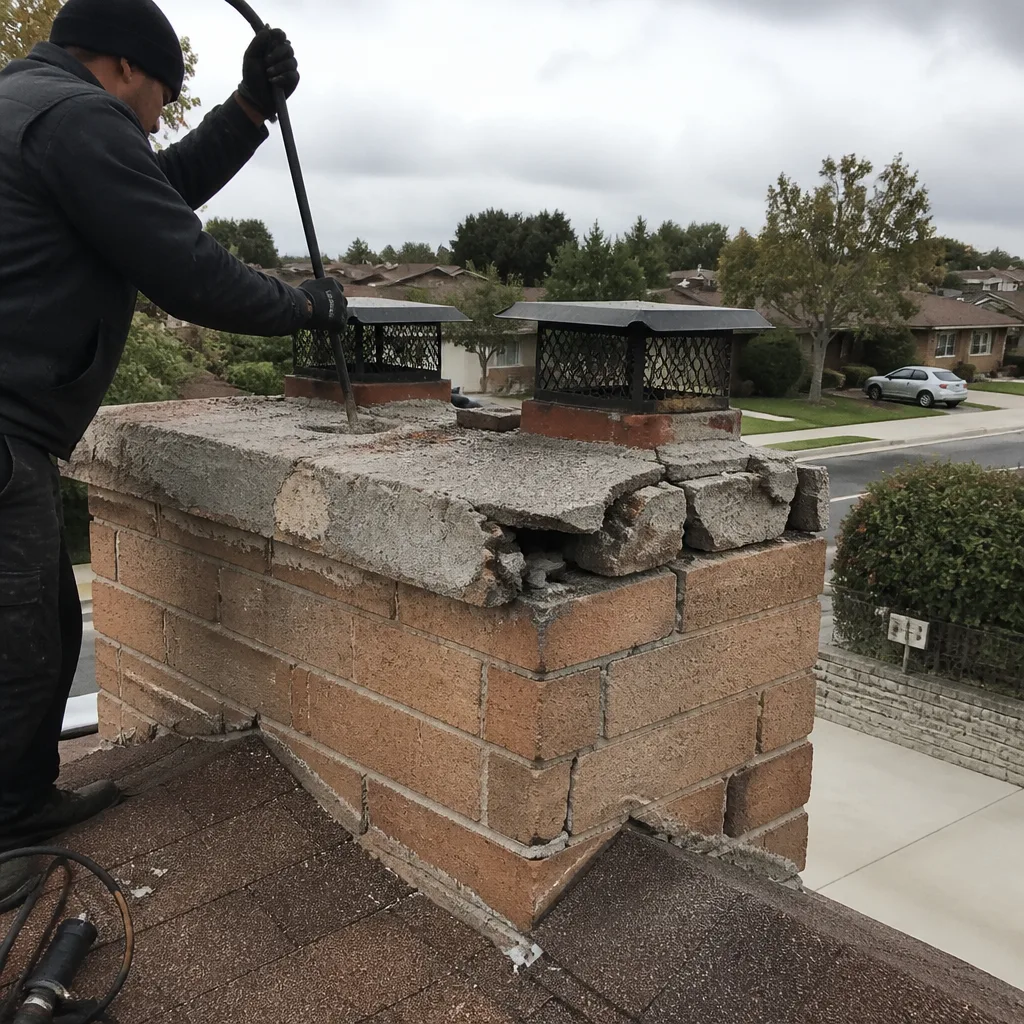 Before
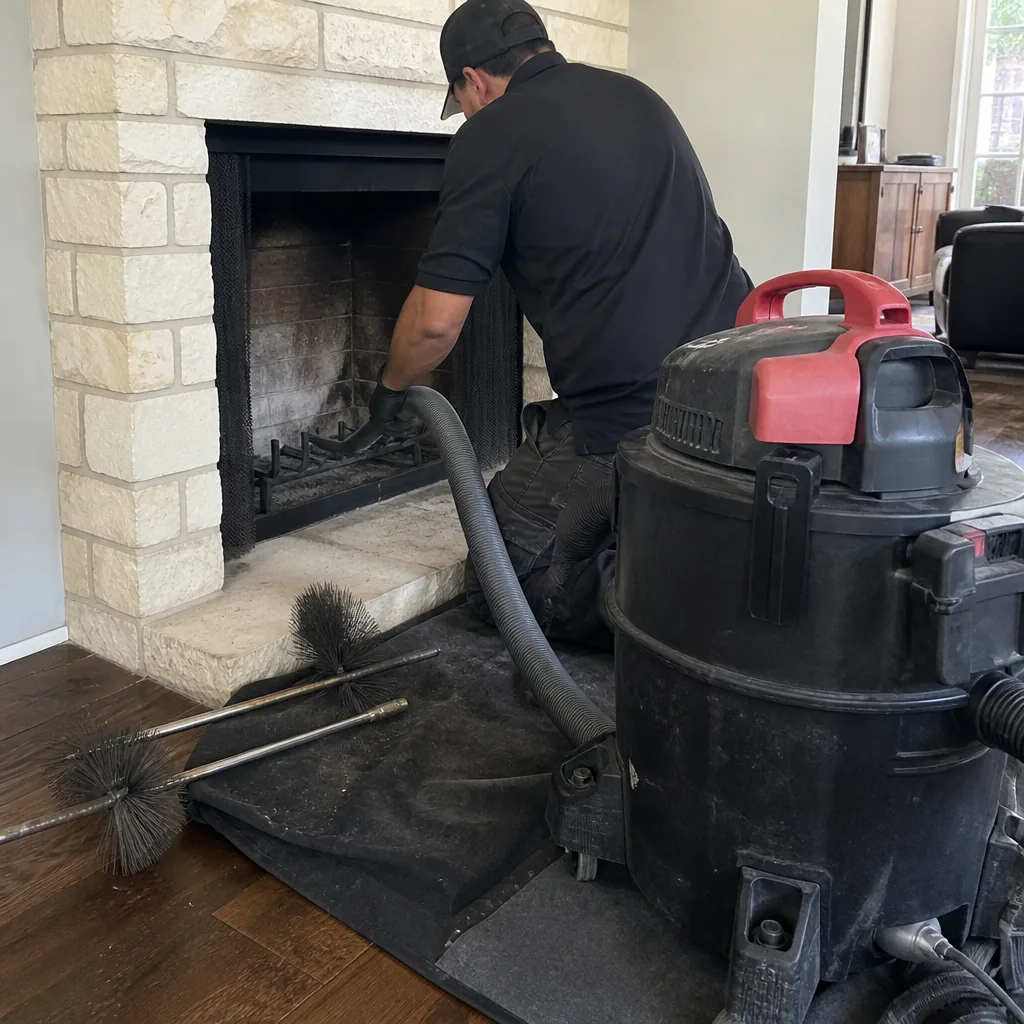 After
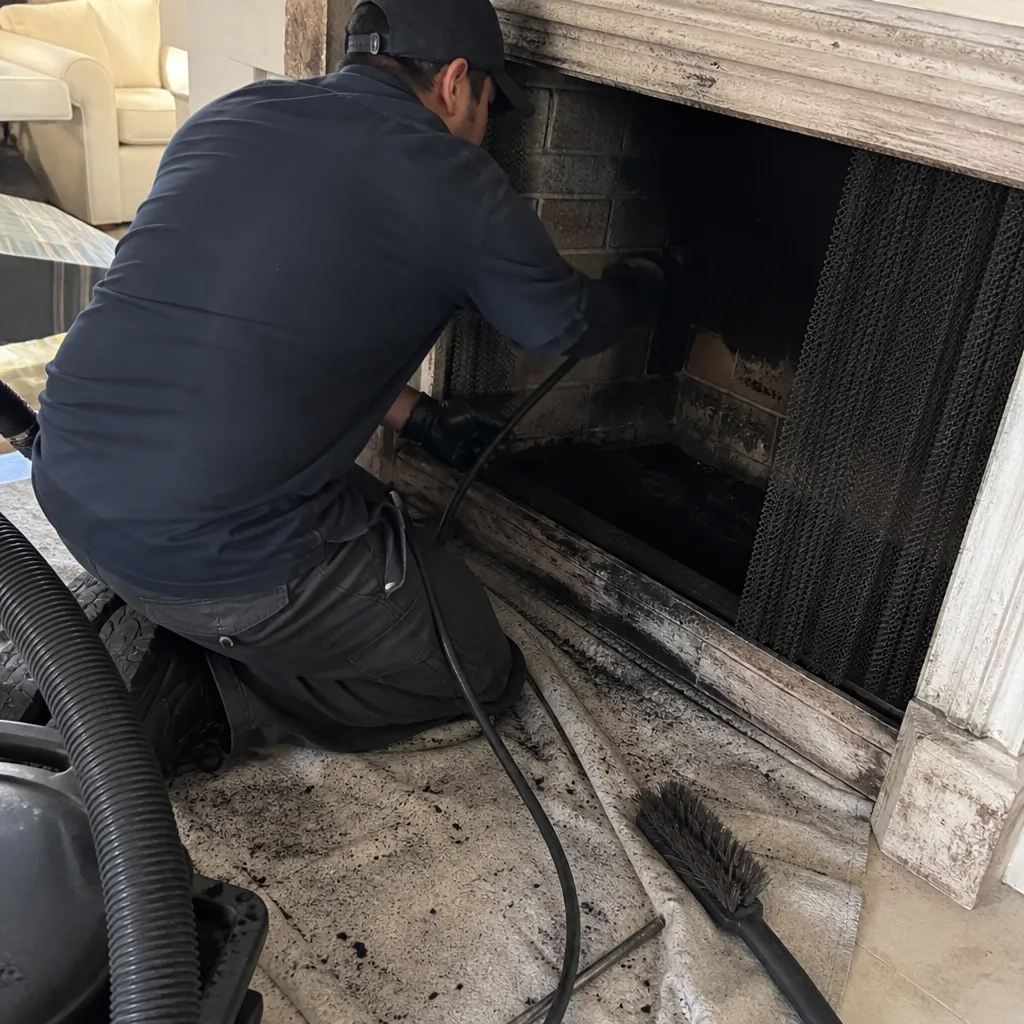 Before
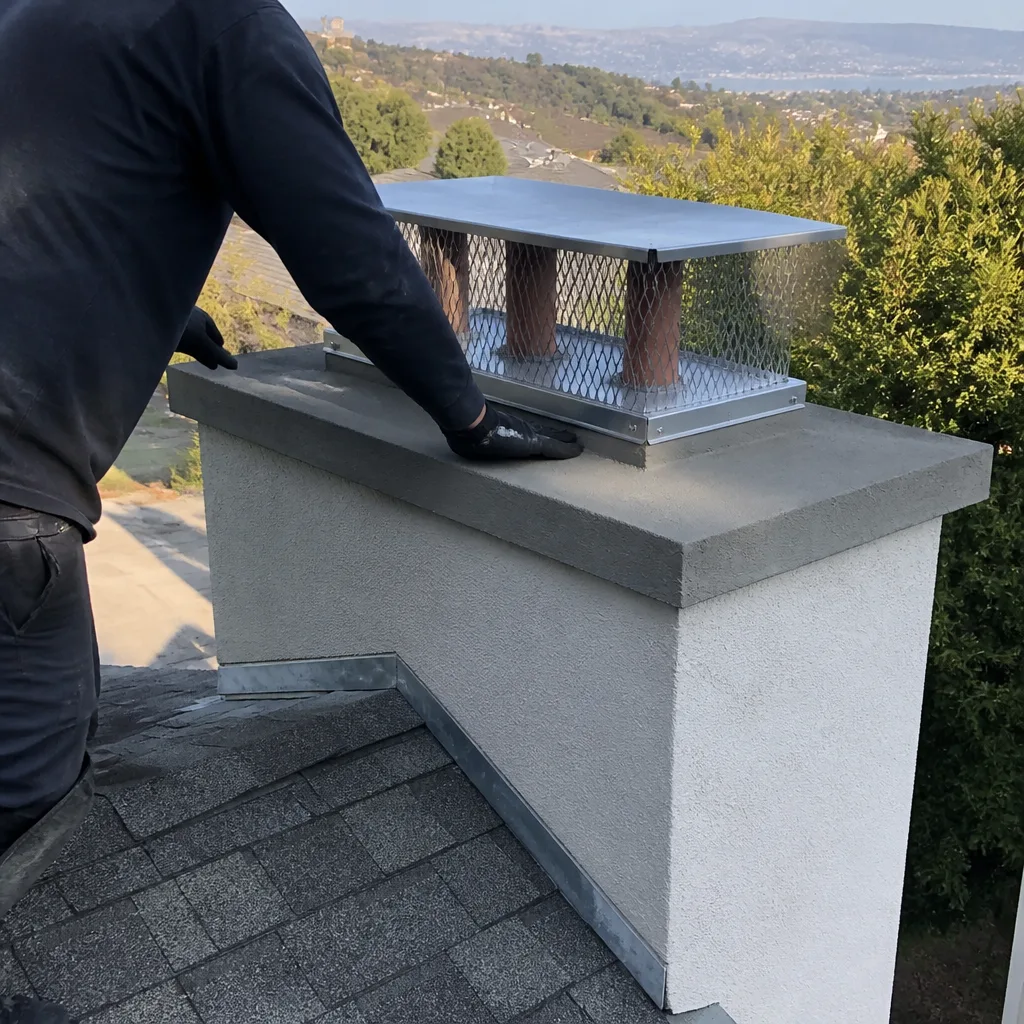 After
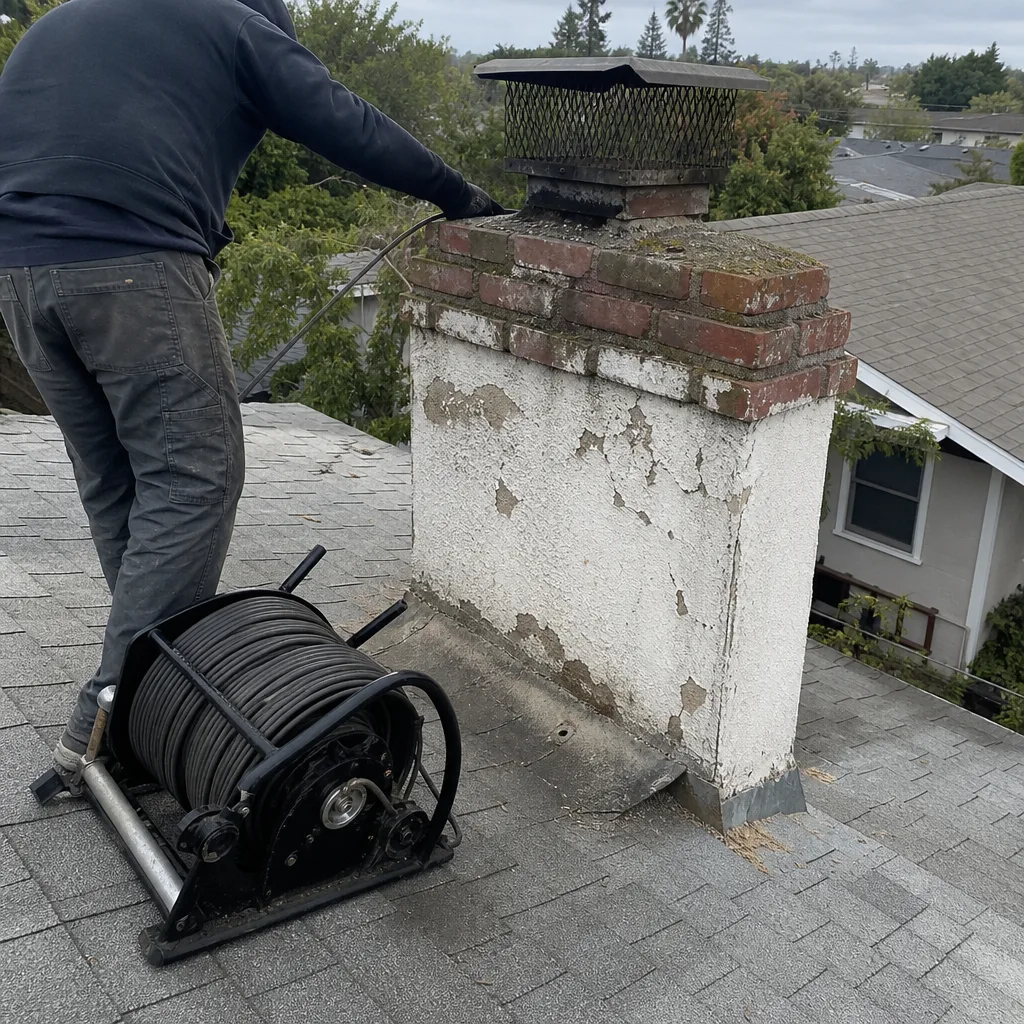 Before
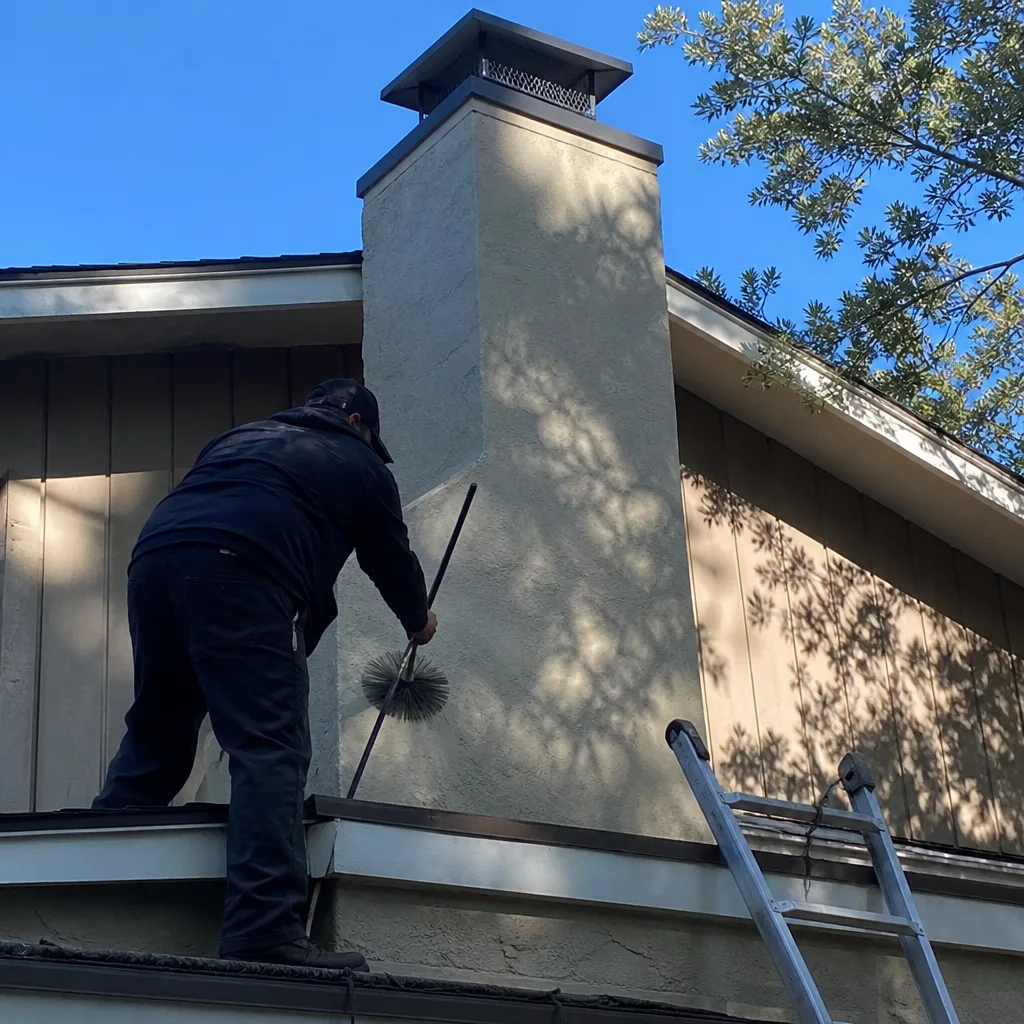 After