
Last updated November 2, 2026
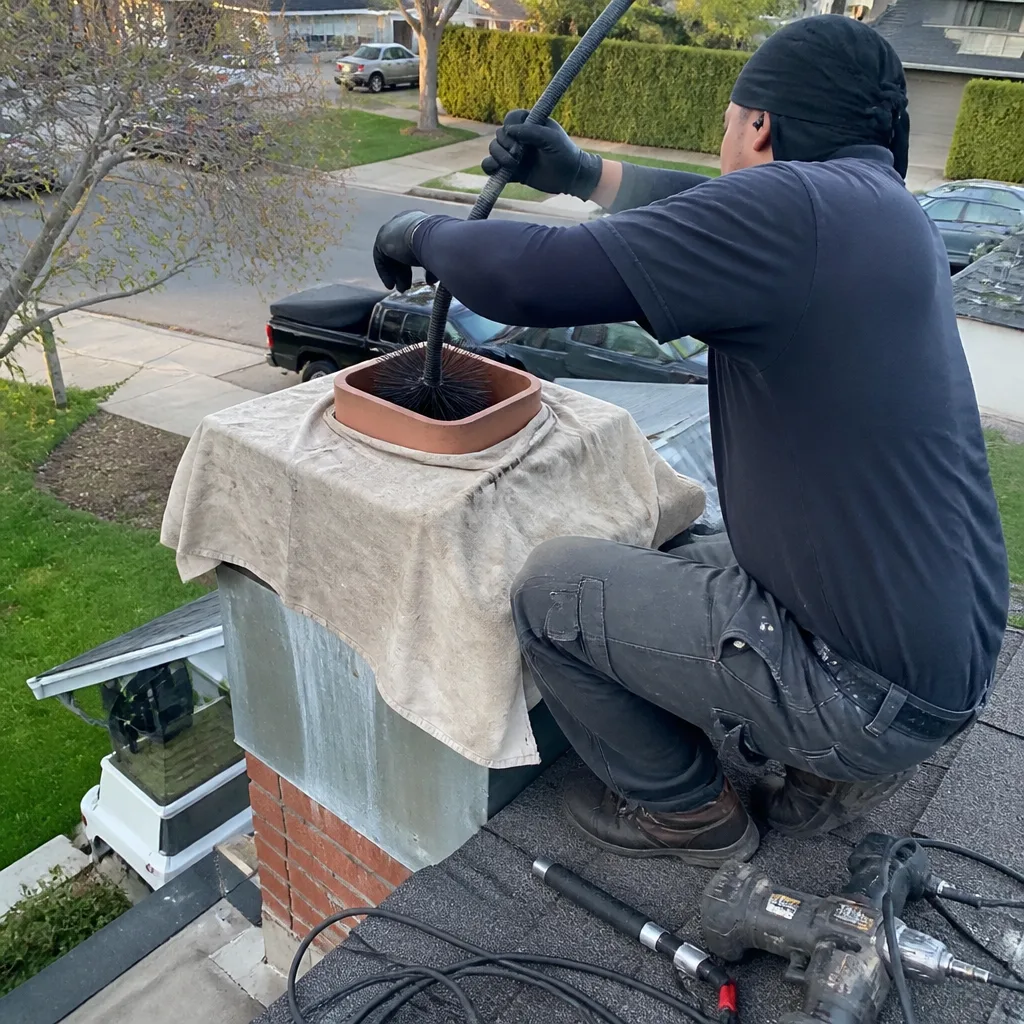
 Sweep & inspection
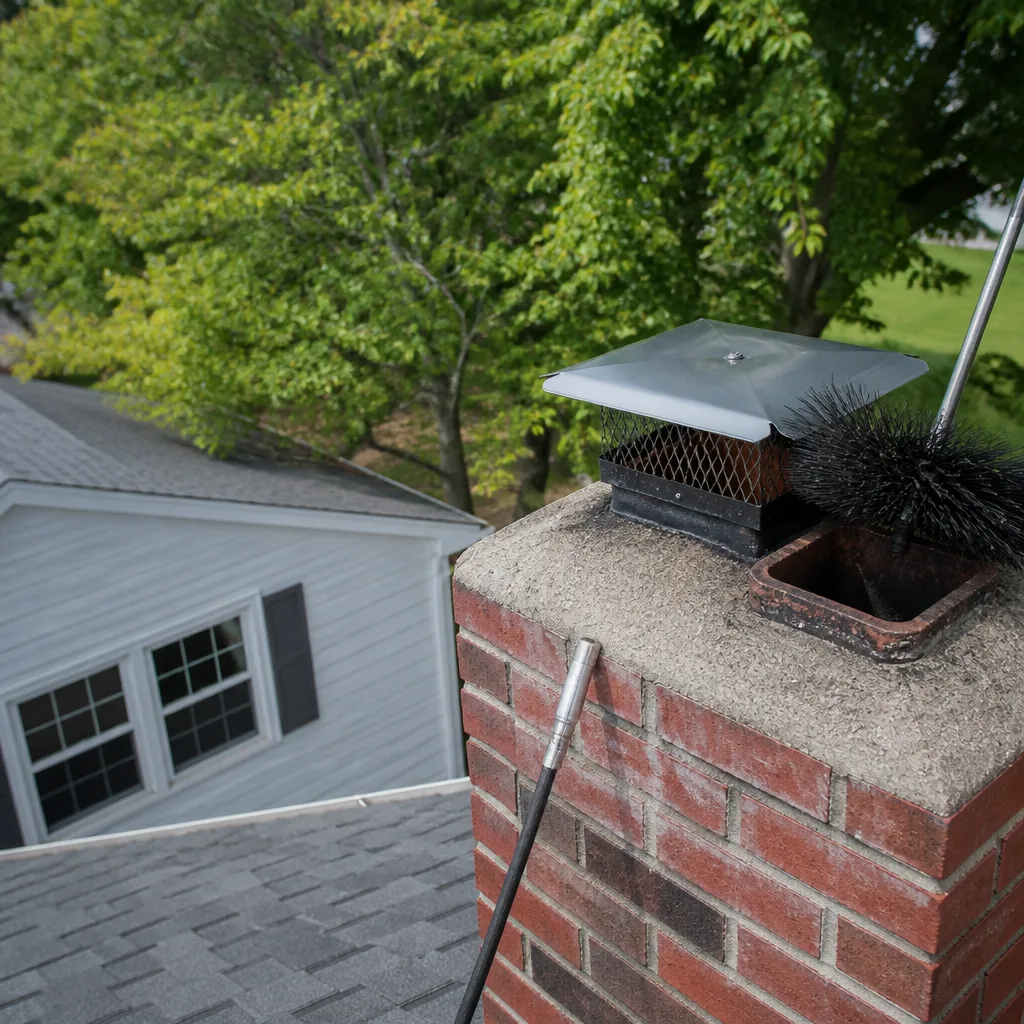
 Caps & crowns
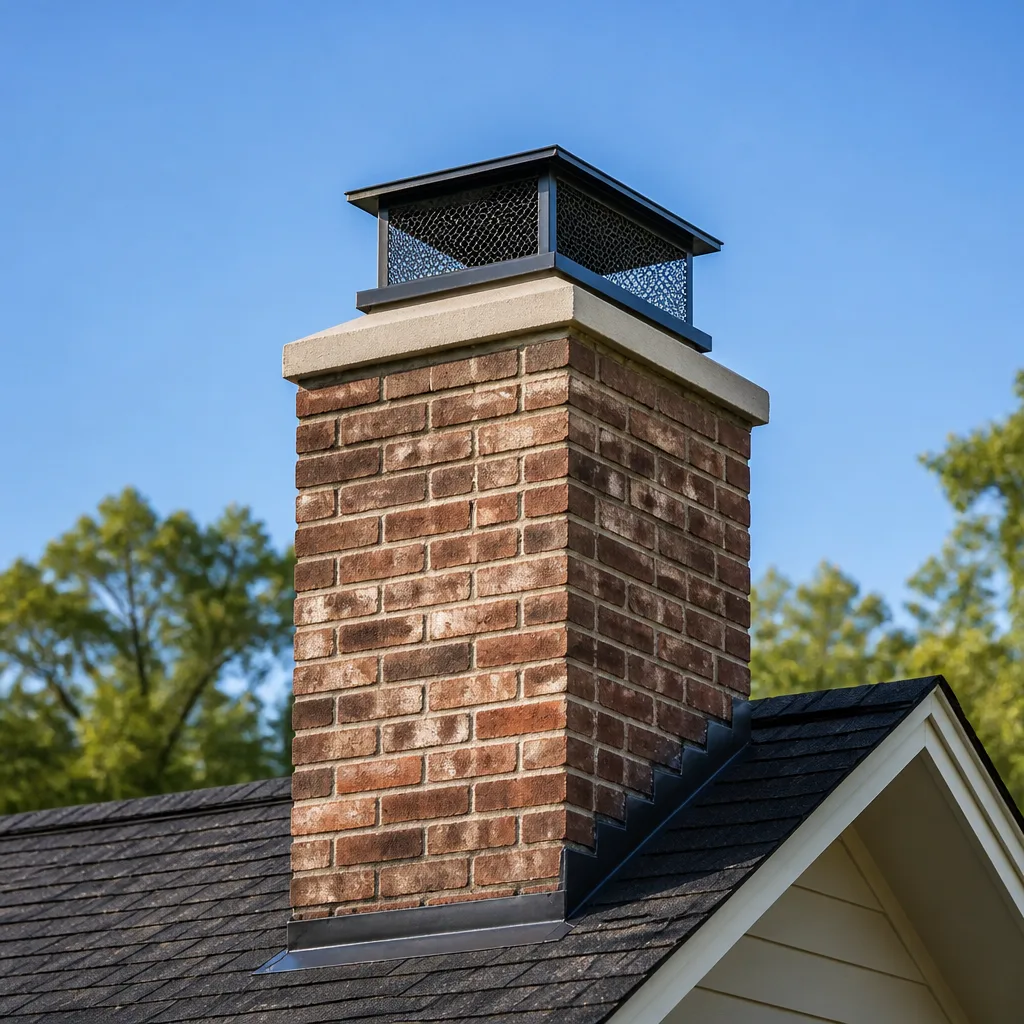
 Flue relining
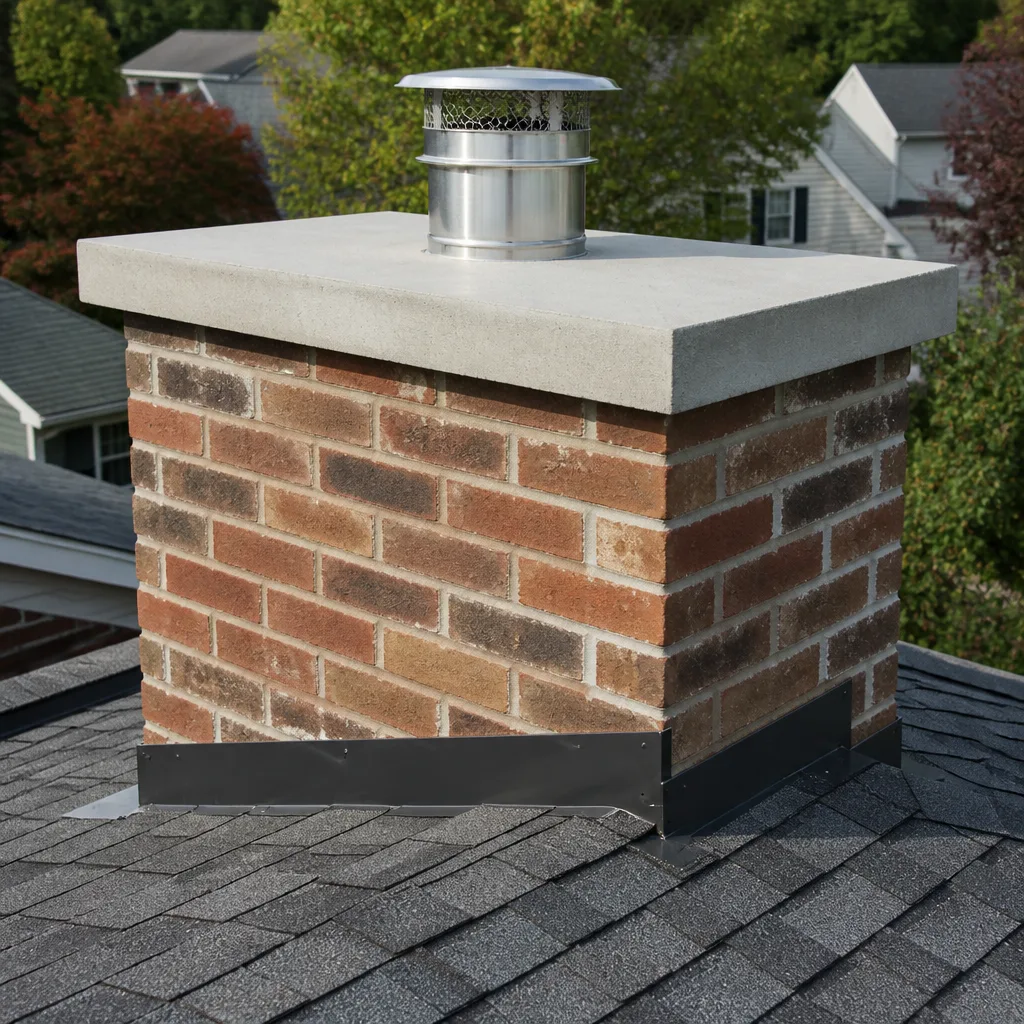
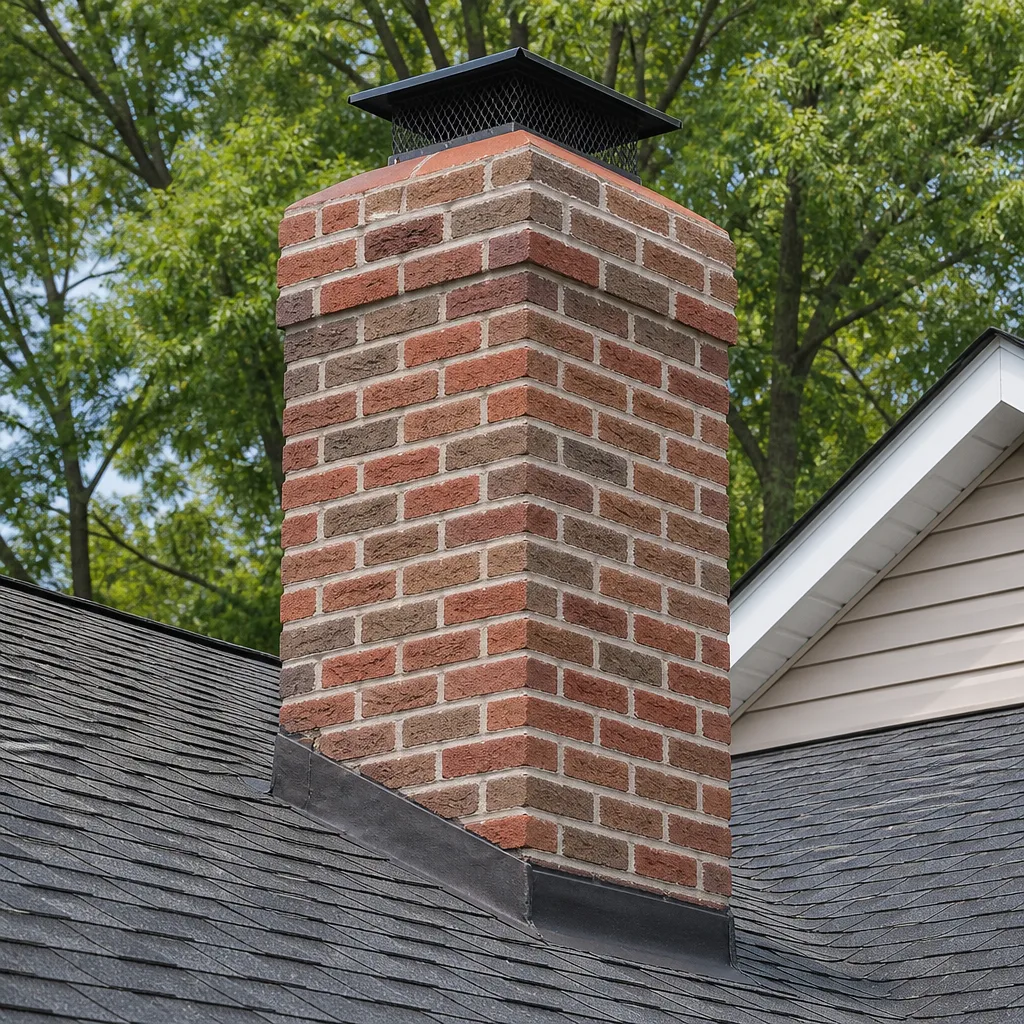 Masonry repair
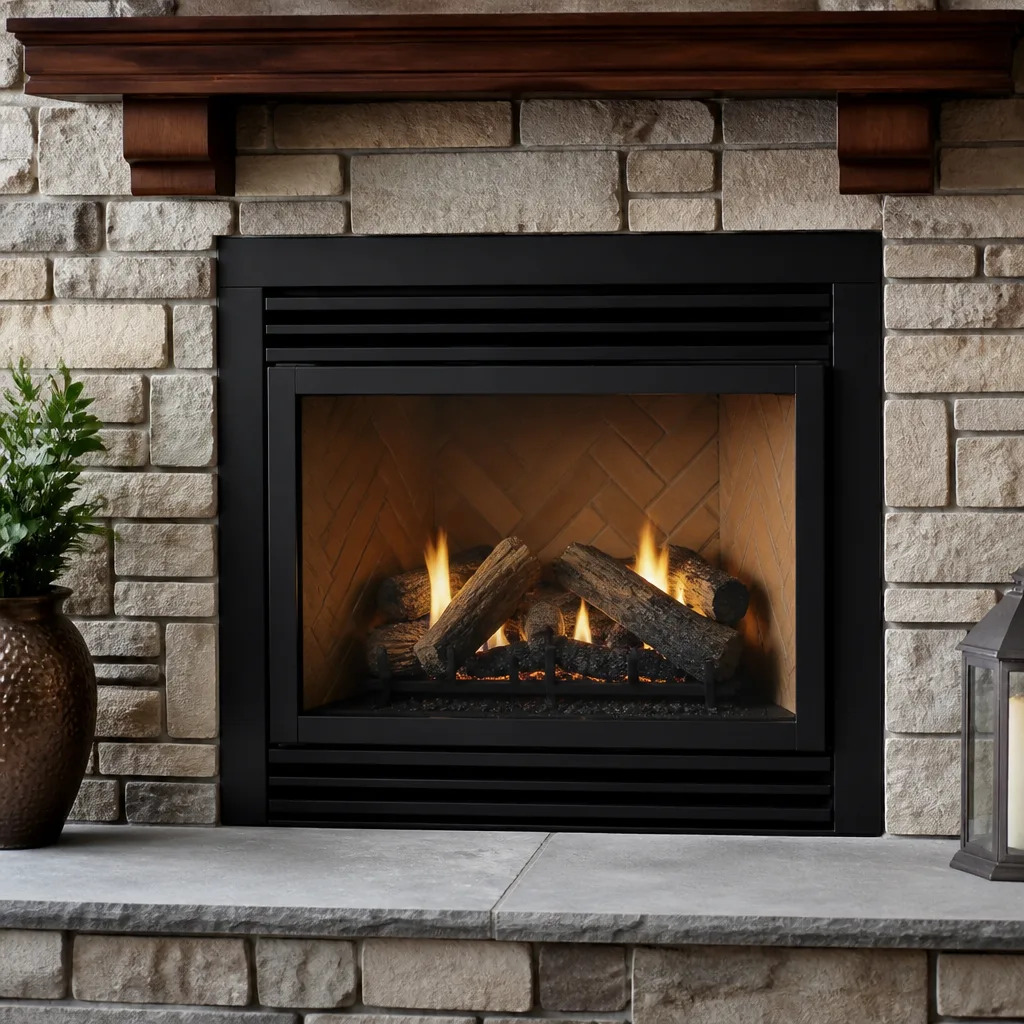 Gas fireplace service
Level 1 sweep and inspection to the NFPA 211 annual standard - flue, crown, cap, and flashing checked and photographed
Chimney sweep logs do not sweep chimneys. They loosen some creosote - which then falls where a brush and vacuum still have to collect it.
Seasonal Chimney Cleaning Care for Bay Terraces: Year-Round Homeowner’s Guide
In most of the country, “chimney season” means fall. Homeowners up north start thinking about their fireplaces when temperatures drop and leaves turn. But in Bay Terraces, the most damaging period for chimney masonry is often June through August, when marine layer moisture cycles daily against heat-stressed brick with no rain to flush debris. This guide explains what actually happens to a chimney in this specific coastal climate month by month, when to schedule cleaning, and which issues can wait versus which need a specialist now. If you’ve been following generic national advice, you’ve been maintaining your chimney on the wrong calendar.
Styles & brands we work with
- Sweep & inspection
- Caps & crowns
- Flue relining
- Masonry repair
- Gas fireplace service
Quick Answer
In Bay Terraces, schedule your primary chimney sweep in late spring after the damp winter-spring marine layer season ends, with a secondary visual inspection in fall before any fireplace use begins. The most damaging season for uncorrected mortar cracks and flue issues is summer, not winter, because daily moisture cycling stresses masonry joints when no rain falls to expose the problem visibly. Call Chimney Sweep Bay Terraces at (833) 756-1092 to book a sweep matched to this local cycle.
Table of Contents
- Winter (December – February): The Rainy Season and Post-Use Reality
- Spring (March – May): Post-Season Inspection and Nesting Season Begins
- Summer (June – August): Marine Layer Moisture Cycling and Hidden Masonry Stress
- Fall (September – November): Pre-Season Readiness and Santa Ana Debris Risk
- Why One Annual Cleaning Timed to Local Climate Beats Generic Advice
- What to Check Yourself Between Professional Sweeps
- Common Mistakes to Avoid
- When to Call a Professional
- Frequently Asked Questions
- The Bottom Line
Winter (December – February): The Rainy Season and Post-Use Reality
Winter in Bay Terraces means rain, often arriving in short intense bursts between stretches of mild, dry days. If you used your fireplace during the holidays or on cooler evenings, this is the window when creosote deposits sit in the flue absorbing moisture from humid marine air. Creosote is hygroscopic. It pulls water from the air, and wet creosote is not just a fire hazard, it becomes acidic and accelerates corrosion on metal flue liners. That’s the detail most generic seasonal guides miss. The combination of a used chimney and a damp coastal winter is harder on the liner than either factor alone.
An uncapped flue is a direct water inlet during these months. Rain enters the flue, mixes with soot and ash, and creates a slurry that works its way into the smoke shelf and damper assembly. Left through February, this mixture hardens and becomes significantly harder to remove than dry soot. The damper itself can rust in place, which means the next time you open it, it sticks. A basic Chimney Sweep in Bay Terraces service during this window removes the winter buildup before it has months to absorb moisture, but if you missed that timing, late spring becomes your next best slot.
There’s another winter factor specific to coastal hillside homes in Bay Terraces: downslope drainage. Homes built into the gentle terrain around Paradise Hills and Skyline often have chimneys that sit below grade on one side. When winter rain saturates the slope, water pressure against the chimney’s below-grade foundation increases. This is exactly the condition that turns hairline mortar cracks into visible weeping surfaces. You’ll see dark staining on interior masonry or flaking brick faces. If you spot that during a winter storm, note it. It’s not urgent that day, but it should be on your spring inspection list before nesting birds and summer heat complicate the repair.
Spring (March – May): Post-Season Inspection and Nesting Season Begins
Spring is the single most practical time for a comprehensive chimney sweep in Bay Terraces. The rains have mostly passed by April, and that means you can see what winter moisture did. Flue deposits have dried enough to brush cleanly. The damper is accessible. The crown and cap are visible without glare from heavy summer sun. If you only schedule one professional visit per year, this is the window that gives the technician the clearest diagnostic picture.
There’s a second reason spring matters here specifically, and it has nothing to do with moisture. Bird nesting season in San Diego County runs roughly March through August. Swallows, house sparrows, and starlings all seek enclosed vertical cavities, and an uncapped or improperly capped flue is exactly that. Once a nest is established, it’s illegal under federal law to remove active nests of most native species. You have to wait out the full nesting and fledging cycle, which can mean your chimney is unusable through half the year. The fix is prevention: a properly fitted cap installed before nesting season or during a spring sweep while the flue is already open and accessible.
A spring sweep is also when structural issues found during winter become actionable. We frequently find crown cracks in Bay Terraces homes during March and April that were invisible in December, sealed by rain-swollen debris. A crack in the chimney crown, the concrete slab that seals the top of the masonry, lets water into the brick matrix below. In most climates, that water freezes and breaks the brick apart. Here, it doesn’t freeze, and that’s why the damage is deceptive. It accumulates slowly over years. By the time you see spalling brick faces, water has been working through the structure for a long time. Chimney Repair in Bay Terraces during spring catches crown damage before the summer heat-and-moisture cycle makes it worse, which brings us to the season most guides ignore entirely.
Summer (June – August): Marine Layer Moisture Cycling and Hidden Masonry Stress
This is the counterintuitive core of chimney care in Bay Terraces. Summer is when the local climate does the most structural damage to an already-compromised chimney, and it happens invisibly, below the surface, without any dramatic weather event. Here’s the mechanism.
Bay Terraces sits close enough to the coast that the marine layer rolls in most nights from June through early August, sometimes lingering until midday. The air temperature drops, relative humidity rises to 80 – 90%, and moisture condenses on all exposed masonry. Then the sun burns through, the temperature climbs into the high 70s or 80s, and the masonry dries rapidly. This cycle repeats daily, sometimes for weeks straight.
Now add a hairline crack in the crown or a deteriorated mortar joint. Each night, moist air penetrates the opening. Each day, heat drives the moisture deeper as the outer surface dries first. The interior of the chimney, which runs hotter than the exterior even without a fire, becomes the last place moisture lingers. This is a perfect environment for the slow conversion of intact mortar into friable, crumbling powder. And because there’s no rain during these months, there’s no visible water staining to alert you. No wet spots on the ceiling. No drips in the firebox. The damage reads as silent deterioration, and it often goes undetected until a fall chimney inspection reveals joints that need repointing.
This is precisely why the generic “clean your chimney in fall” advice underperforms here. By September, a Bay Terraces chimney has already absorbed three months of daily thermal-moisture cycling. A fall-only maintenance plan is reacting to damage, not preventing it. The professional-grade approach is a spring sweep to establish baseline condition, then a visual check of the cap, crown, and exposed masonry joints during summer, ideally before the worst of the marine layer season sets in. If you do use your fireplace in summer, which is rare in Bay Terraces but not unheard of for pellet stove owners, schedule cleaning afterward without delay. Pellet stoves in particular produce fine ash that clings to flue surfaces and absorbs marine moisture aggressively.
Fall (September – November): Pre-Season Readiness and Santa Ana Debris Risk
Fall is when Bay Terraces homeowners actually start thinking about fireplaces again, and for good reason. The evenings cool off, and holiday season is approaching. But this is also Santa Ana wind season, and that introduces a specific risk most people never consider: debris ingestion through the flue cap.
Santa Ana winds blow hot, dry air from the inland deserts toward the coast. In Bay Terraces, that means sustained gusts, sometimes 30 to 50 mph, coming down the canyons and across the mesas. These winds carry dust, dried plant material, palm fronds, and occasionally embers from wildfires. A standard flue cap with mesh screening is designed to block animals and large debris, but fine wind-driven material gets through. Over a single Santa Ana event, a surprising amount of dry debris can accumulate on the smoke shelf and around the damper. If you light your first fire of the season right after a wind event without checking, you’re igniting a firebox with a layer of extremely dry kindling already inside the flue.
The smart fall sequence for Bay Terraces, whether or not you had a spring sweep, is this. First, inspect the cap visually from the ground using binoculars. Look for damage from summer winds, lifted corners, or missing mesh sections. Second, have the flue swept if it hasn’t been done since spring. This removes summer debris and any nesting attempts that occurred before the cap was corrected. Third, test the damper operation fully. If the damper sticks, or if you smell a musty odor when the damper opens, there’s a moisture or debris issue worth checking. Brands like Gelco and Olympia Chimney make caps and dampers specifically engineered for coastal wind and moisture conditions, and they’re worth specifying if your existing hardware is failing. The materials are better suited to this climate than generic galvanized steel from a big-box store, which corrodes rapidly in marine air.
Why One Annual Cleaning Timed to Local Climate Beats Generic Advice
The standard national recommendation is to sweep your chimney once per year, either in spring or fall, whenever it’s convenient. That’s fine for most of the country, where chimneys follow a simple seasonal pattern: use in winter, clean either side of it. Bay Terraces is different, and the difference is mechanical, not stylistic. Here’s a month-by-month look at what your chimney faces locally when you ignore local climate logic.
- December – February: Fireplace use deposits creosote. Rain and marine humidity saturate deposits, creating acidic slurry that corrodes metal liners and sticks to flue walls. An uncapped flue takes on direct water.
- March – April: The first realistic window for a clean, dry sweep. Deposits have partially dried. Pest nesting season is beginning. Crown cracks from winter water are visible.
- May – June: If you skipped spring service, this is the late window. Marine layer begins daily cycling. Moisture enters existing cracks. Nesting activity peaks.
- July – August: Peak moisture-cycling stress. No rain means no visible damage. Deterioration proceeds invisibly inside masonry joints. This is the worst time to leave known mortar issues unaddressed.
- September – October: Santa Ana winds deposit fine debris in flues. Fireplace season is about to begin. A flue that was clean in June may already need another sweep or at minimum an inspection.
- November: First fires. If the flue wasn’t checked after Santa Ana winds, you may be lighting your first fire on top of wind-deposited debris.
The takeaway: a single sweep in late spring covers you for the moisture season and nesting season, but Bay Terraces homeowners who use their fireplaces through winter should expect either a second light sweep in fall or at least a self-check of the cap and damper. It’s not over-maintenance. It’s the actual local cycle. And for what it’s worth, in our experience as Chimney Sweep Bay Terraces home specialists, the homeowners who follow this pattern are the ones whose chimneys look clean and structurally intact after a decade, while the ones who follow generic fall-only advice are the ones we see with spalled brick and corroded dampers by year three.
What to Check Yourself Between Professional Sweeps
You don’t need a ladder to catch most developing issues. A few minutes at ground level, four times a year, will catch problems early enough that they’re cheap to fix. Here’s a practical rotation.
- January (after a rain): Look at the chimney from the street or backyard. Check for dark staining running down the brick faces or efflorescence, which is white powdery salt deposits that indicate water moving through masonry. Check the ceiling around the chimney penetration inside the house for discoloration.
- April (post-rain season): Use binoculars to inspect the crown and cap. Look for cracks in the concrete crown, missing mortar, lifted or missing cap sections, and any sign of birds flying in or out of the flue. Listen near the firebox with the damper open, you may hear nest activity.
- August (peak marine layer): Look for new cracks or widening of previously noted cracks. Feel the exterior brick on a dry morning before 9 a.m. If it feels slightly tacky or cool in a way that suggests retained moisture, water is getting in somewhere. This is a sign to book a professional assessment.
- October (pre-fireplace): Open the damper fully and shine a flashlight up the flue. Look for accumulated debris, white ash from pellet use, or any obstruction. Smell the firebox. A sharp, acrid odor suggests wet creosote. A musty odor suggests trapped moisture or biological matter.
These checks don’t replace professional cleaning, but they give you a consistent baseline. When a technician from Chimney Sweep Bay Terraces arrives, you’ll be able to say “I noticed staining in January and a new crack in August,” and that changes the diagnostic conversation entirely. It turns a routine sweep into a targeted inspection.
Common Mistakes to Avoid
- Following a generic “clean it in fall” schedule. Bay Terraces marine layer does its damage in summer. By fall, you’re already months behind the moisture cycle. Cleaning in fall without a spring baseline means addressing damage you could have prevented.
- Assuming no rain means no water problems. Marine layer moisture is invisible and daily. It penetrates hairline cracks and lingers inside masonry. The absence of rain is exactly why you won’t see the damage happening.
- Ignoring the flue cap because “it looks fine from the ground.” Fine from the ground means nothing. Cap damage from Santa Ana winds is often on the windward side, invisible from below. Binoculars or a roofing inspection are the minimum.
- Waiting out bird nesting season without professional guidance. Active nests of native species cannot be legally removed. But a professional can assess whether an existing cap failed, letting the bird in, and specify the right replacement from brands like Famco or Copperfield to prevent recurrence. Go up with the right plan, not a broom.
- Using a fireplace after a Santa Ana wind event without checking. Fine wind-driven debris accumulates quickly on the smoke shelf. Light a fire on top of it and you’ve got a two-layer fuel situation: debris below, creosote above.
- Skipping dryer vent cleaning because it’s “not a chimney issue.” If you’re already working with a chimney specialist, Dryer Vent Cleaning in Bay Terraces is the service most homeowners don’t know they need. Lint accumulation in dryer vents is one of the leading causes of residential fires, and most dedicated chimney companies don’t offer it. This team does.
- Letting a stuck damper slide because “we’ll fix it later.” A rusted damper in Bay Terraces means moisture has been sitting in that assembly. Every month it stays stuck, the rust spreads. Dampers are much cheaper to free up than to replace entirely.
When to Call a Professional
Call a chimney specialist in Bay Terraces when you see interior water staining, exterior brick spalling, a stuck damper, a damaged or missing cap, an active bird nest in the flue, or when you detect an acrid or musty odor from the firebox. Call before burning season begins if you haven’t had a sweep in more than a year, whether or not you used the fireplace. If a Santa Ana event deposited visible debris on the cap or in the firebox, that’s a callable situation. If your home has a pellet or gas insert, annual inspection is still required; the flue still deposits and the cap still fails. Chimney Sweep Bay Terraces offers free estimates in Bay Terraces, call (833) 756-1092.
Frequently Asked Questions
Once per year minimum, ideally in late spring after the rainy season ends, with a second light sweep in fall if you used the fireplace during winter or experienced Santa Ana wind events. The local marine layer and wind cycle make a second check more useful here than in inland areas. Call (833) 756-1092 to schedule a sweep matched to this cycle.
March through August is the primary nesting window in Bay Terraces, with peak activity from April through June. If your cap is damaged or missing, a bird will find the flue. Once a native species nests, removal is federally protected. Prevention before March is the only reliable fix.
Yes. The daily condensation and evaporation cycle in Bay Terraces summer months forces moisture into tiny cracks and keeps it cycling through the masonry. This degrades mortar joints and accelerates brick spalling over time. It’s slower than freeze-thaw damage in cold climates, which is why it goes unnoticed until it’s significant.
Yes. Chimney Sweep Bay Terraces provides dryer vent cleaning as a standalone service, not an afterthought. Lint accumulation in dryer vents is a major fire risk, and most chimney specialists don’t handle it at all. Dryer Vent Cleaning in Bay Terraces is bookable separately.
Caps with stainless steel construction and fine mesh screening hold up best against the combination of marine air corrosion and Santa Ana wind debris. Product lines like Famco and Copperfield are engineered for these conditions and represent the quality tier professionals specify, not generic hardware store substitutes. Chimney Sweep Bay Terraces works with these brands for a reason.
A sweep removes deposits; it cannot fix cracks, deteriorating mortar, or crown damage. If you see staining, spalling, or if a technician finds joint separation during a sweep, that’s a structural issue requiring Chimney Repair in Bay Terraces. The good news is that a full-service specialist can identify and fix both in the same service relationship, without referring you elsewhere.
The Bottom Line
Chimney maintenance in Bay Terraces runs on a different clock than the rest of the country. Spring is your primary sweep window. Summer is your highest structural risk period, not winter. Fall brings wind-driven debris you need to check before lighting. Winter moisture turns creosote acidic and attacks liners. The homeowners who get ahead of this pattern with a late-spring sweep and a fall readiness check are the ones whose chimneys stay sound and clean year after year. Chimney Sweep Bay Terraces handles sweeping, repair, and dryer vent work with professional-grade materials from DuraFlex, HeatShield, Gelco, Olympia Chimney, Famco, and Copperfield. Call (833) 756-1092 for a free estimate matched to this local cycle.
Written by the team at Chimney Sweep Bay Terraces, serving Bay Terraces since 2011.
See the difference
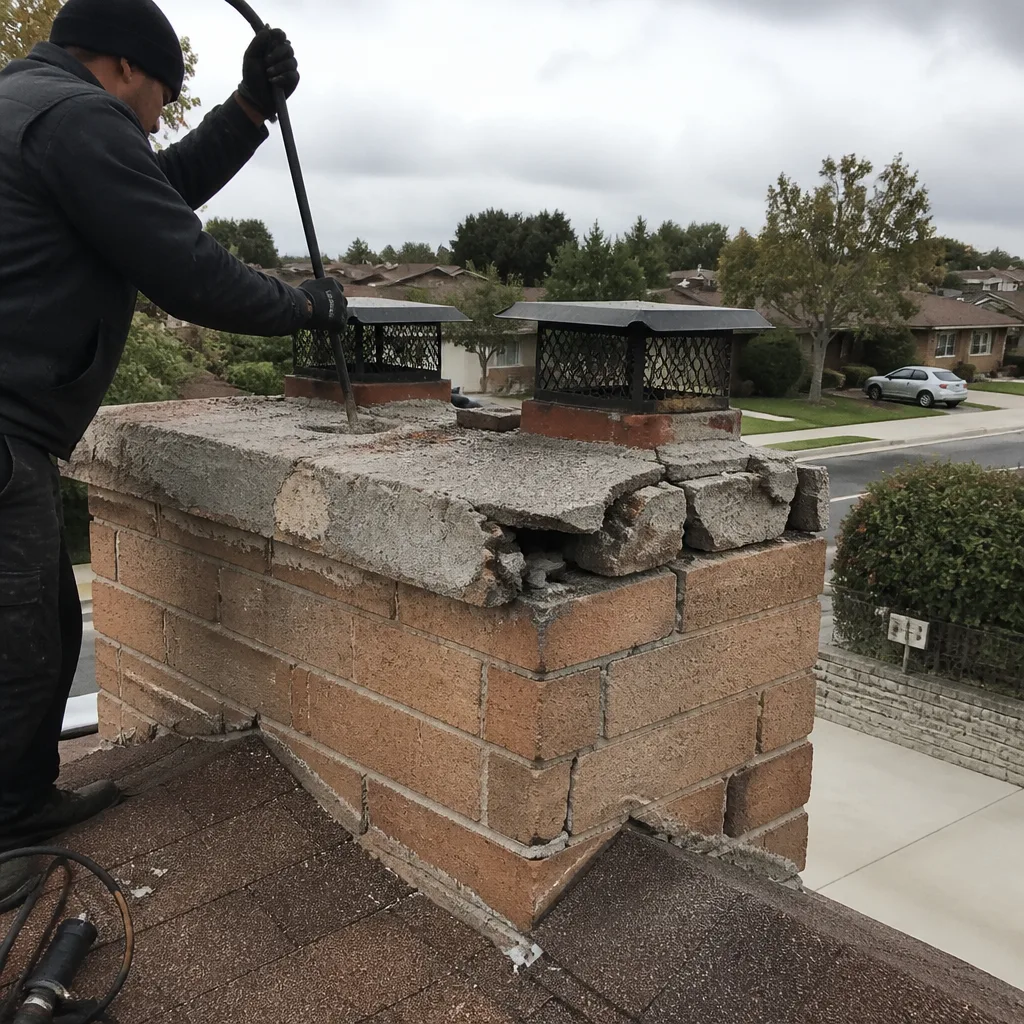 Before
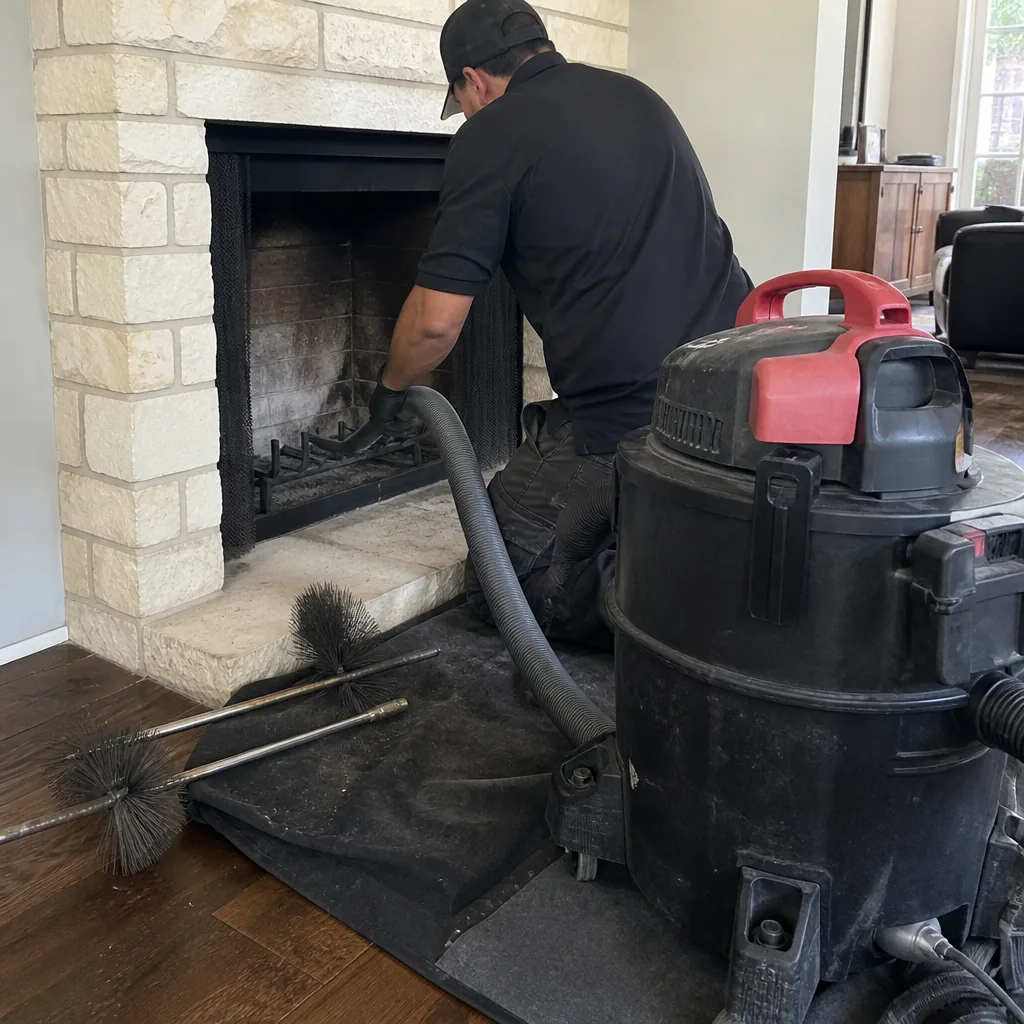 After
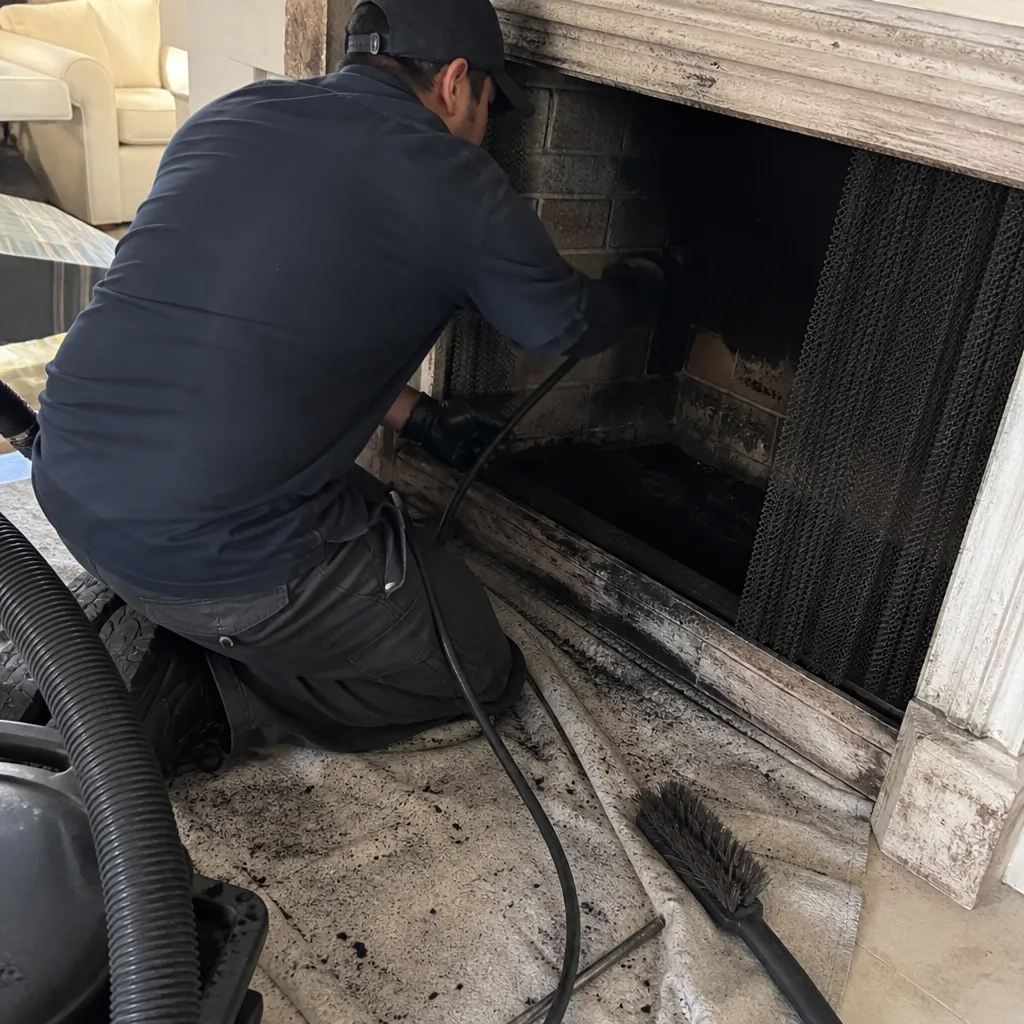 Before
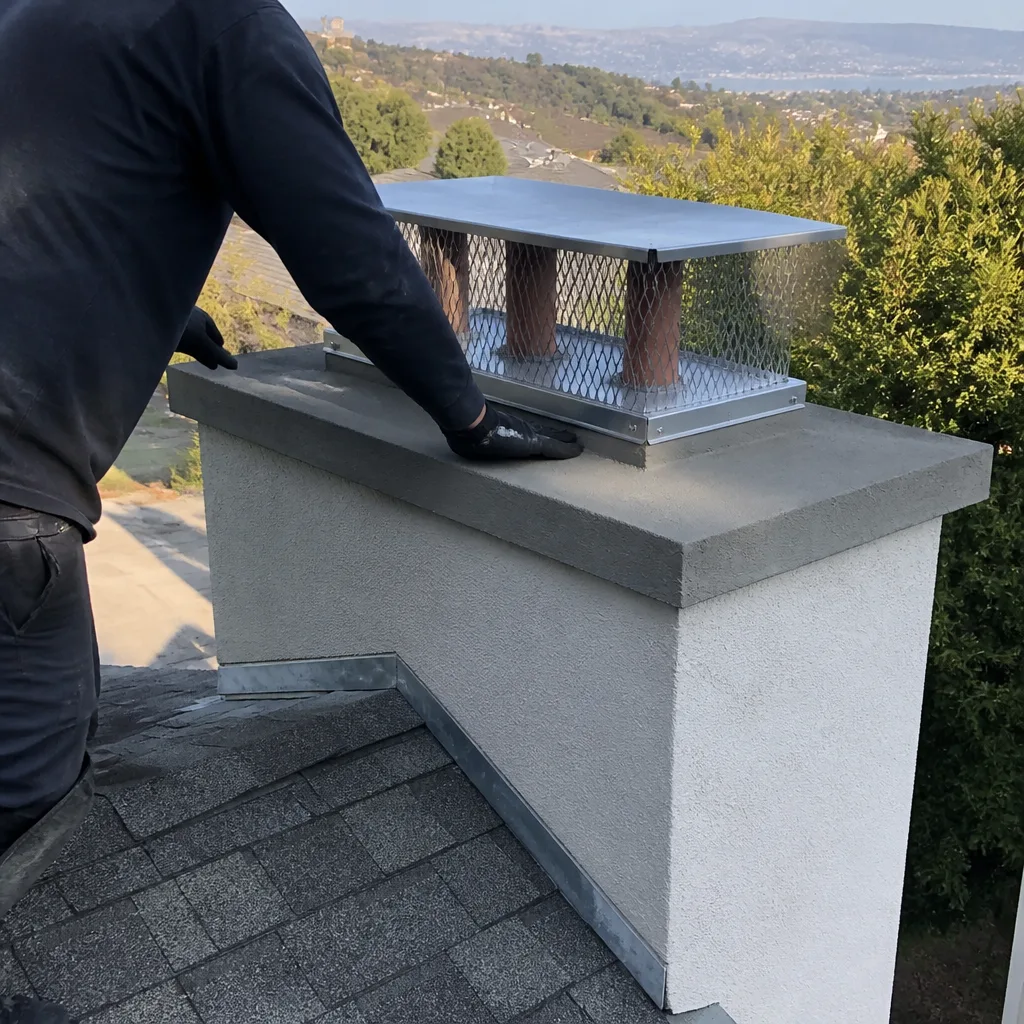 After
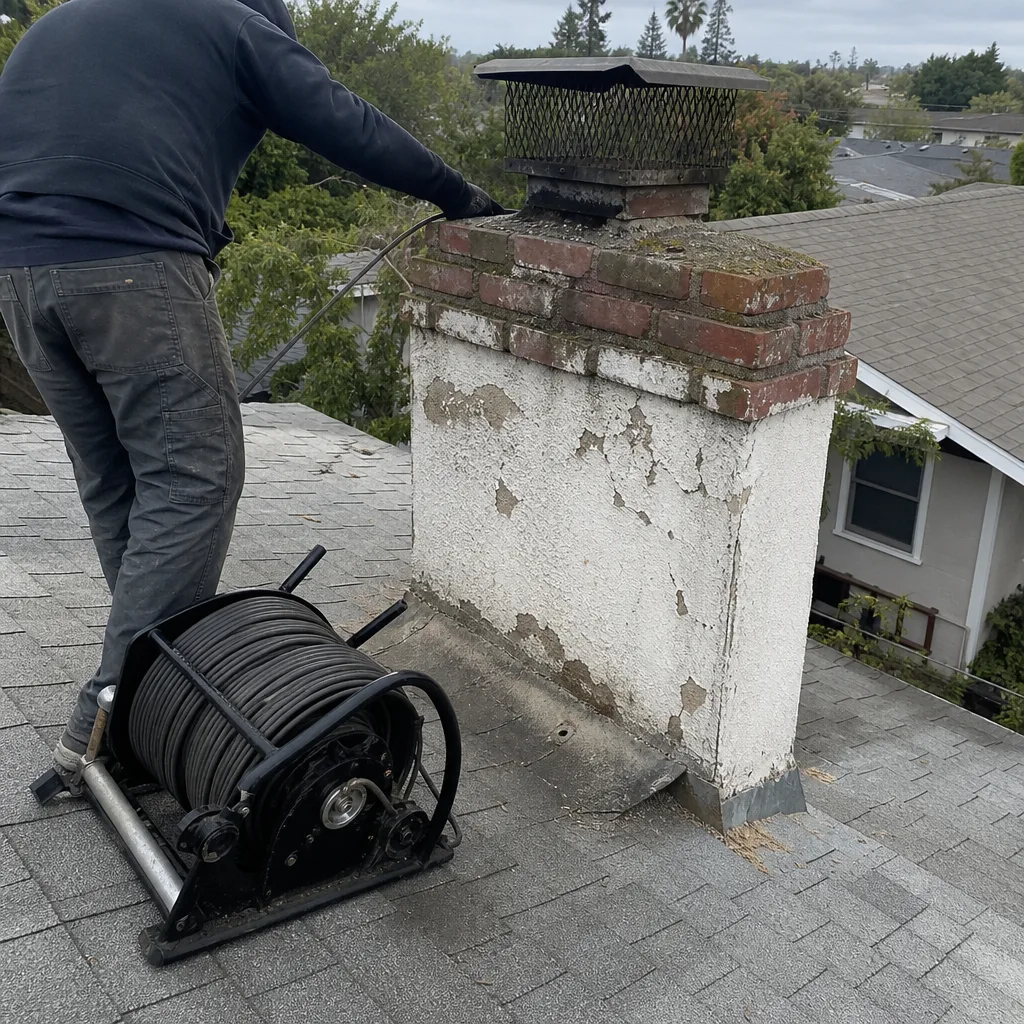 Before
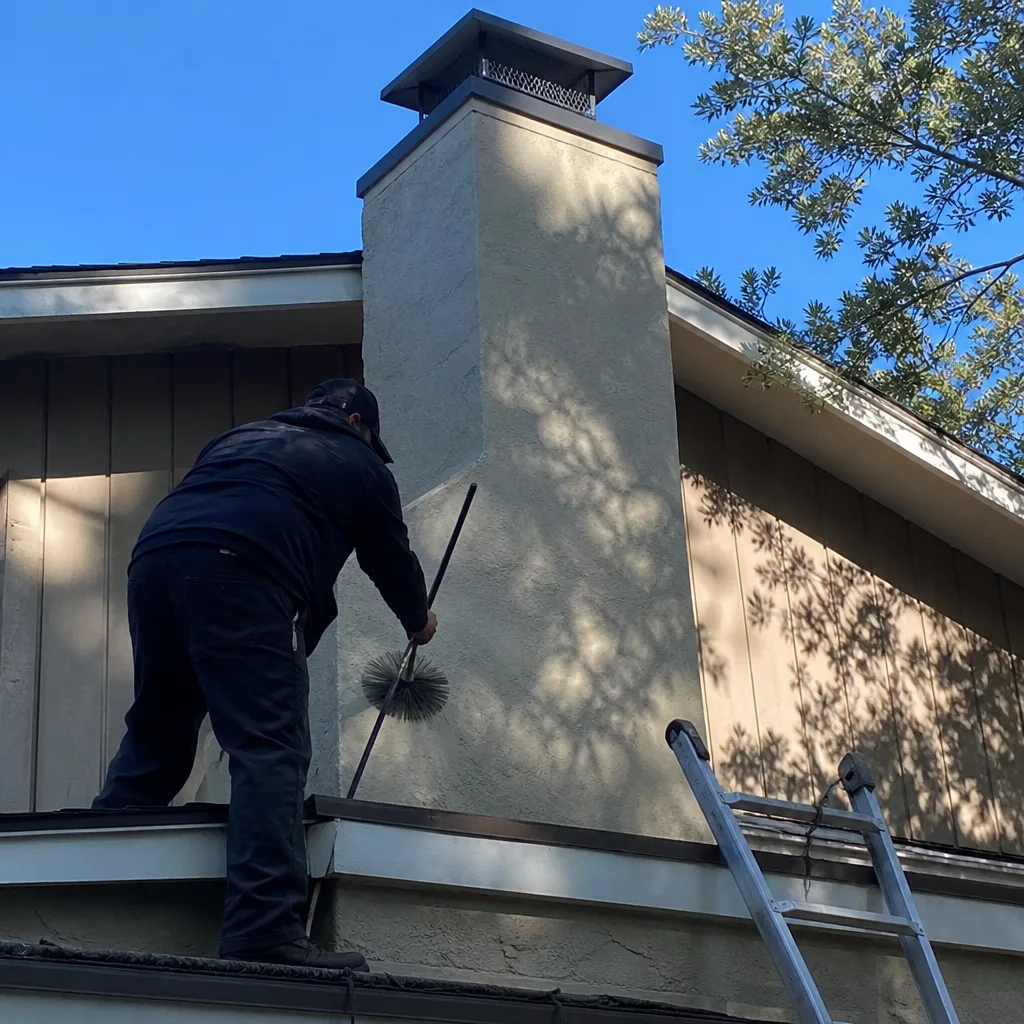 After