
Last updated November 3, 2026
 Sweep & inspection
 Caps & crowns
 Flue relining
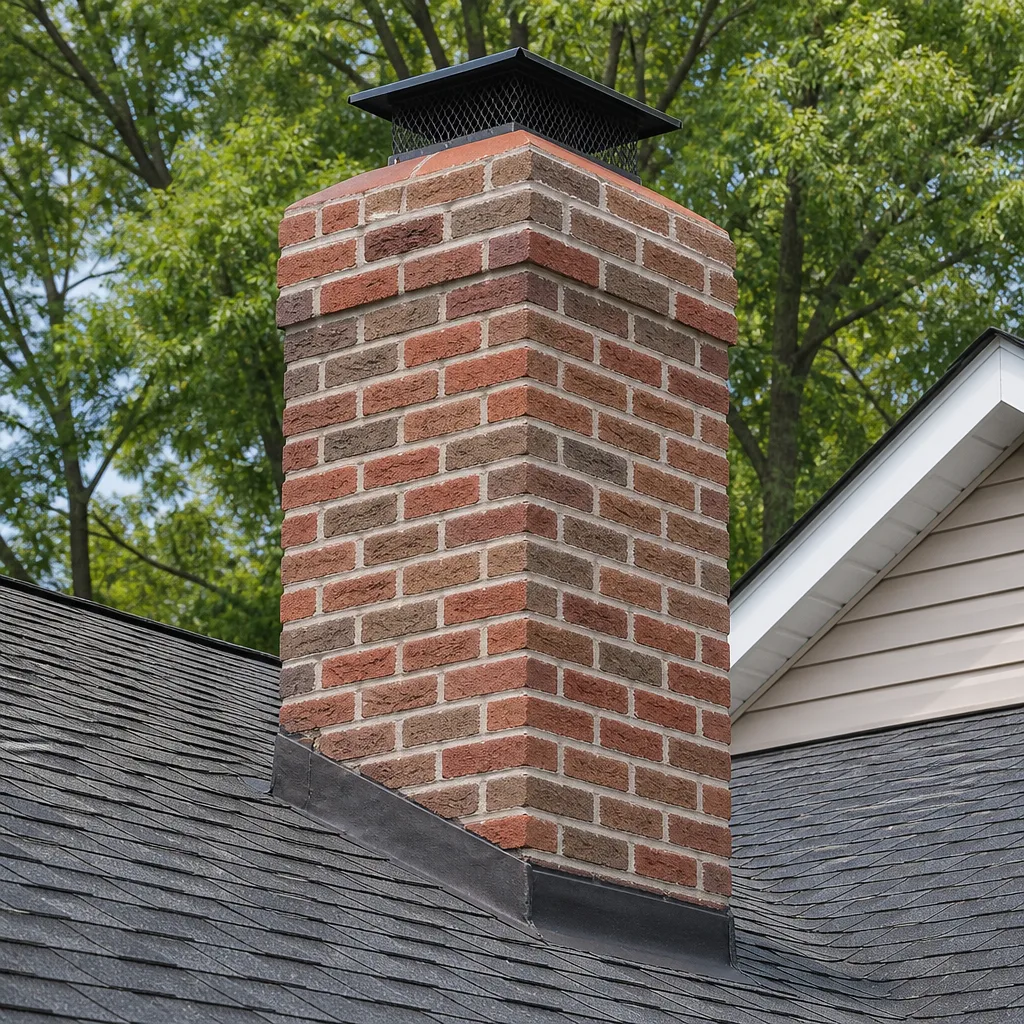 Masonry repair
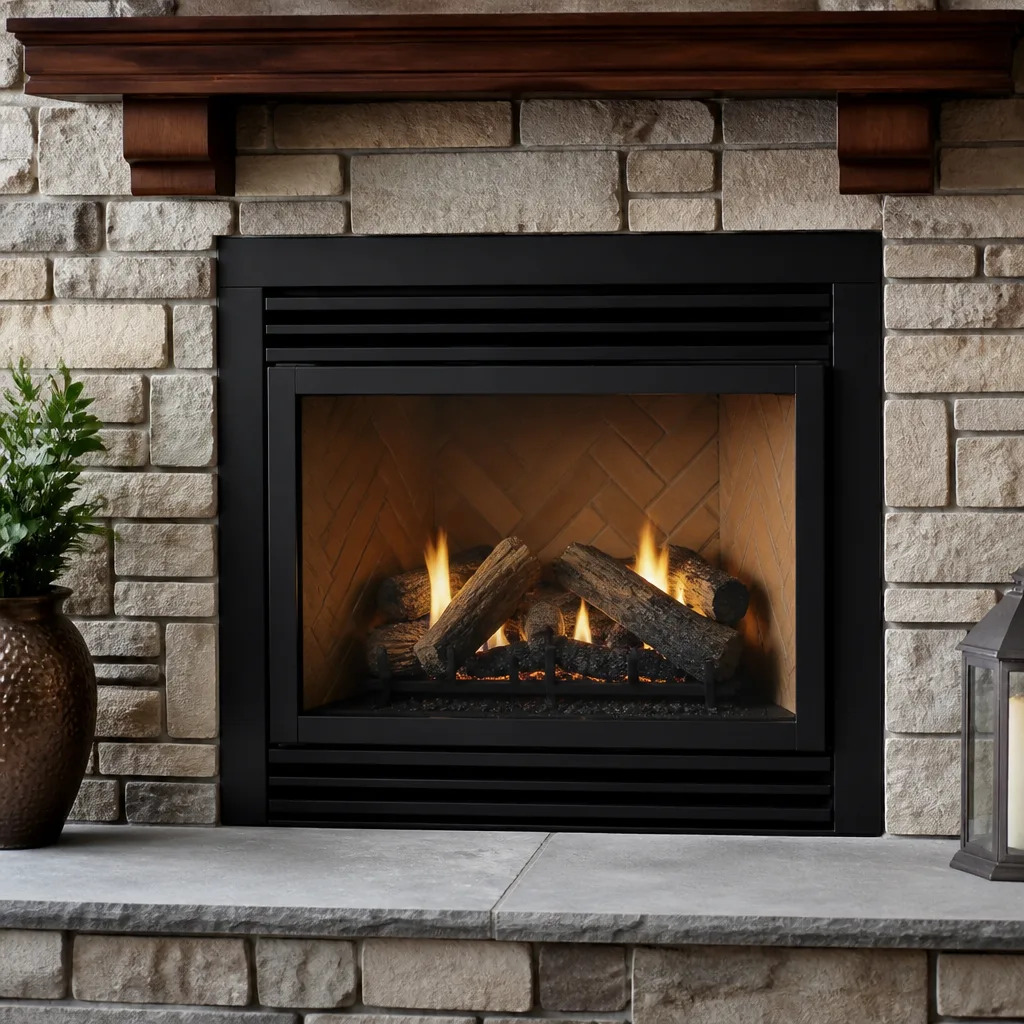 Gas fireplace service
Level 1 sweep and inspection to the NFPA 211 annual standard - flue, crown, cap, and flashing checked and photographed
Chimney sweep logs do not sweep chimneys. They loosen some creosote - which then falls where a brush and vacuum still have to collect it.
The Complete Chimney Sweep Guide for Bay Terraces Homeowners
A chimney used only a handful of times each year isn’t a low-risk chimney. Moisture sits longer in the flue between fires, animals move in during long off-seasons, and creosote from incomplete cold-start burns concentrates faster than most homeowners expect. That’s the hidden reality for Bay Terraces homes: our mild coastal-adjacent climate creates infrequent use patterns that actually accelerate certain types of deterioration. This guide explains how Bay Terraces chimneys actually age, what a proper Chimney Sweep should include, and how to read the report you’re handed afterward.
Styles & brands we work with
- Sweep & inspection
- Caps & crowns
- Flue relining
- Masonry repair
- Gas fireplace service
Quick Answer
A chimney sweep in Bay Terraces is a professional cleaning and Level 1 inspection that removes creosote, soot, and obstructions from your flue while checking for structural problems. For more guides & resources, see our blog. The National Fire Protection Association recommends a sweep and inspection at least once per year, and Bay Terraces homes with rarely-used fireplaces need just as much attention as ones that burn daily. A proper appointment includes camera documentation of the flue interior, real brand-name materials for any repairs, and findings you can verify yourself.
Table of Contents
- Why Infrequent Use Creates Bigger Problems Than Regular Burning
- What a Proper Bay Terraces Sweep Actually Includes
- Why Low-Burn Fires Build Dangerous Creosote Fast
- Animal Intrusion and Nesting Risks in Bay Terraces
- How to Read a Chimney Sweep Report
- How Often Should You Sweep Your Chimney in Bay Terraces?
- Common Mistakes to Avoid
- When to Call a Professional
- Frequently Asked Questions
- The Bottom Line
Why Infrequent Use Creates Bigger Problems Than Regular Burning
Most national chimney advice assumes you’re burning wood every week through a long winter. That’s not how Bay Terraces homeowners live. You might light the fireplace for a handful of holiday evenings, a few chilly February nights, and that’s it. The flue spends the other eleven months idle.
That idle time is where the damage happens. A cool, dark, unused chimney is an invitation for moisture to condense on masonry and metal. Salt-heavy air from the Pacific works its way into mortar joints. Critters, especially starlings and squirrels common around Bay Terraces, treat an open damper or missing cap like a vacancy sign. When you do light a fire after months of sitting, the sudden temperature change stresses aging clay liner sections that were already on borrowed time.
We’ve pulled nests out of chimneys in neighborhoods throughout Bay Terraces where the homeowner hadn’t used the fireplace in over a year. The soot buildup was minimal. The animal debris wasn’t. The point isn’t that you need to burn more. It’s that the risks shift from creosote accumulation to moisture damage, blockages, and structural deterioration, and those need just as much attention.
A frequently used fireplace gets regular hot fires that burn off some creosote and keep moisture moving out of the system. A rarely used one sits, soaks, and rots. That’s why annual inspection matters here even more than in colder climates, because the failure mode is less visible and less intuitive.
What a Proper Bay Terraces Sweep Actually Includes
There’s a real difference between a discount sweep and what a chimney specialist does. A cheap sweep often means a bristle brush run up the flue once, a quick visual look at the firebox, and a handshake. That misses most of what can actually go wrong in a Bay Terraces chimney.
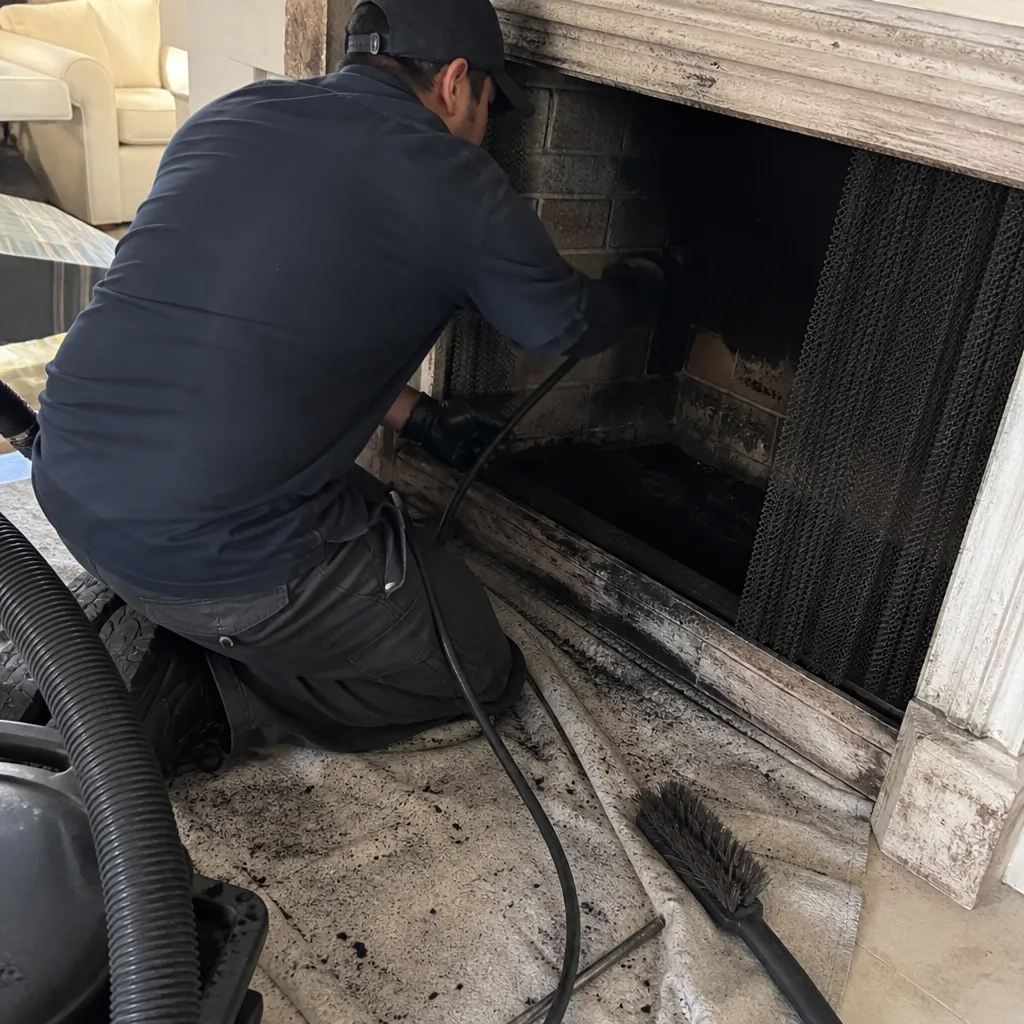
A complete sweep appointment at Chimney Sweep in Bay Terraces includes these steps, in order:
- Drop cloths and dust containment – the work area is sealed off before the brush touches the flue. Fireplace soot is fine enough to coat an entire living room if not contained properly.
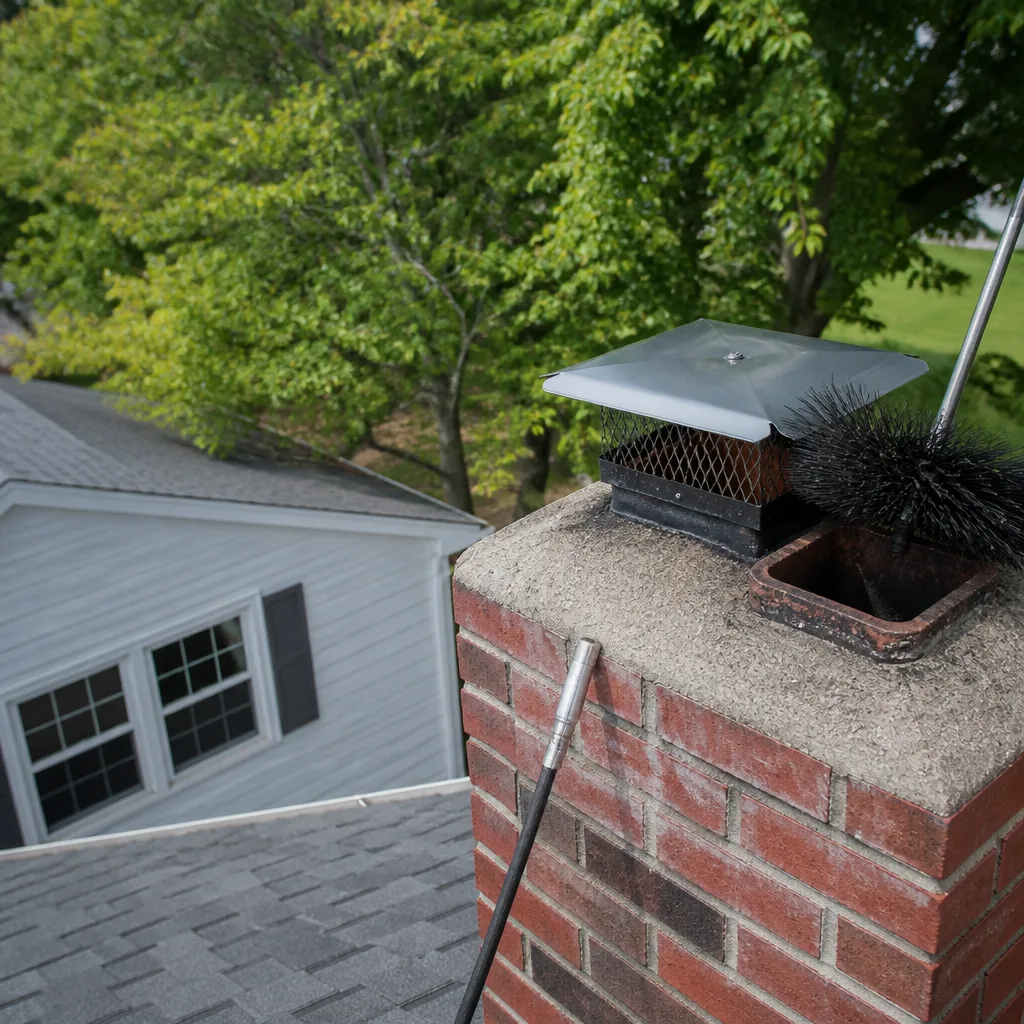
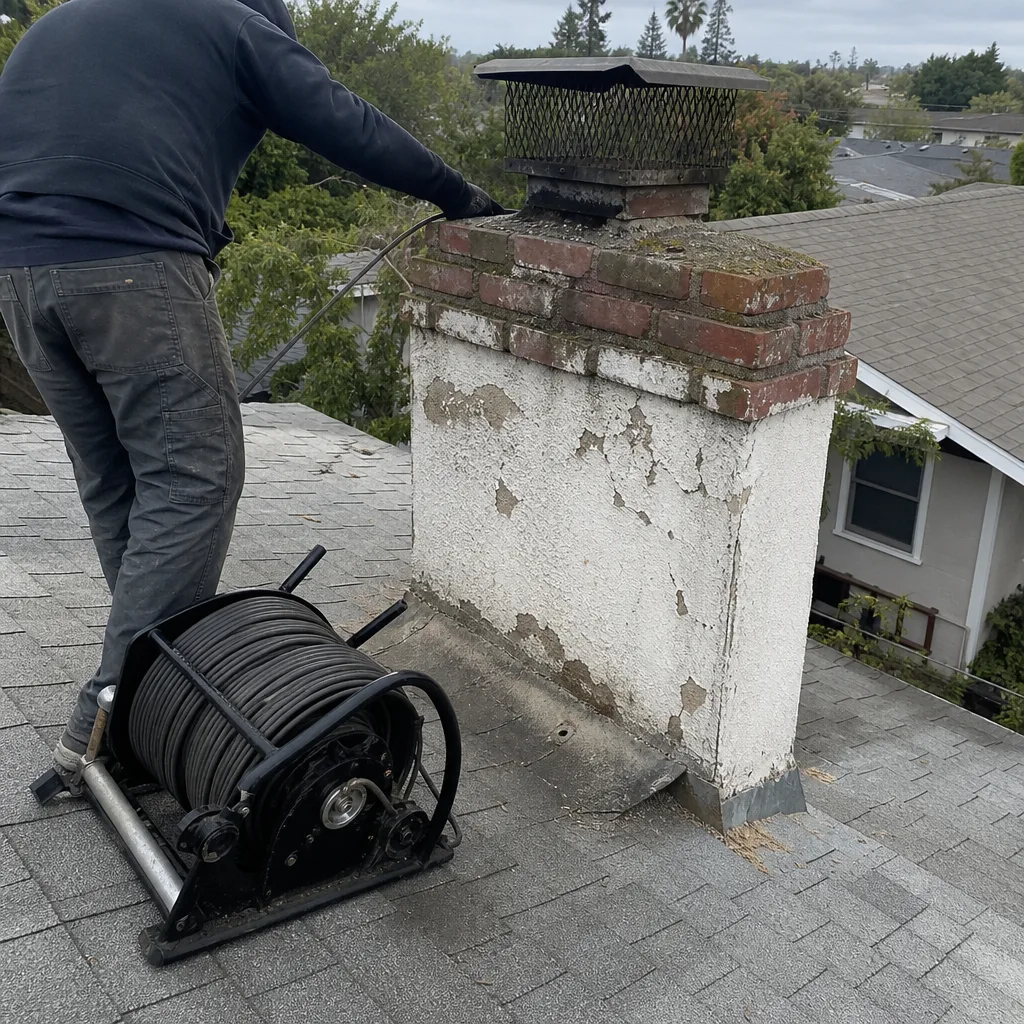
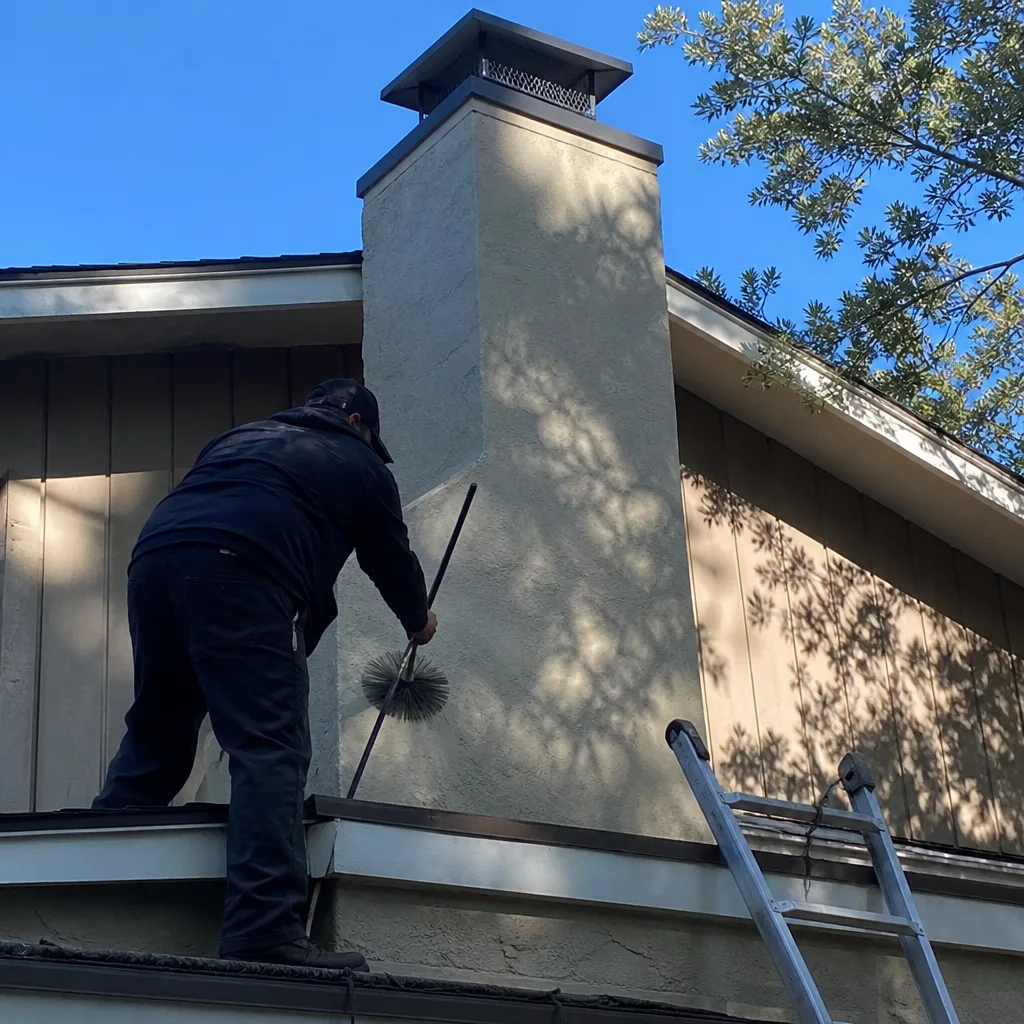
- Mechanical sweep of the full flue length – proper rotary or cable-driven brush systems sized to the flue’s actual dimensions, not a one-size-fits-all brush that misses corners.
- Smoke chamber and damper inspection – these areas are where creosote hides and where most discount sweeps stop looking.
- Level 1 camera inspection – a closed-circuit camera run through the flue to document the interior surface. You should see the footage yourself, not just hear a summary.
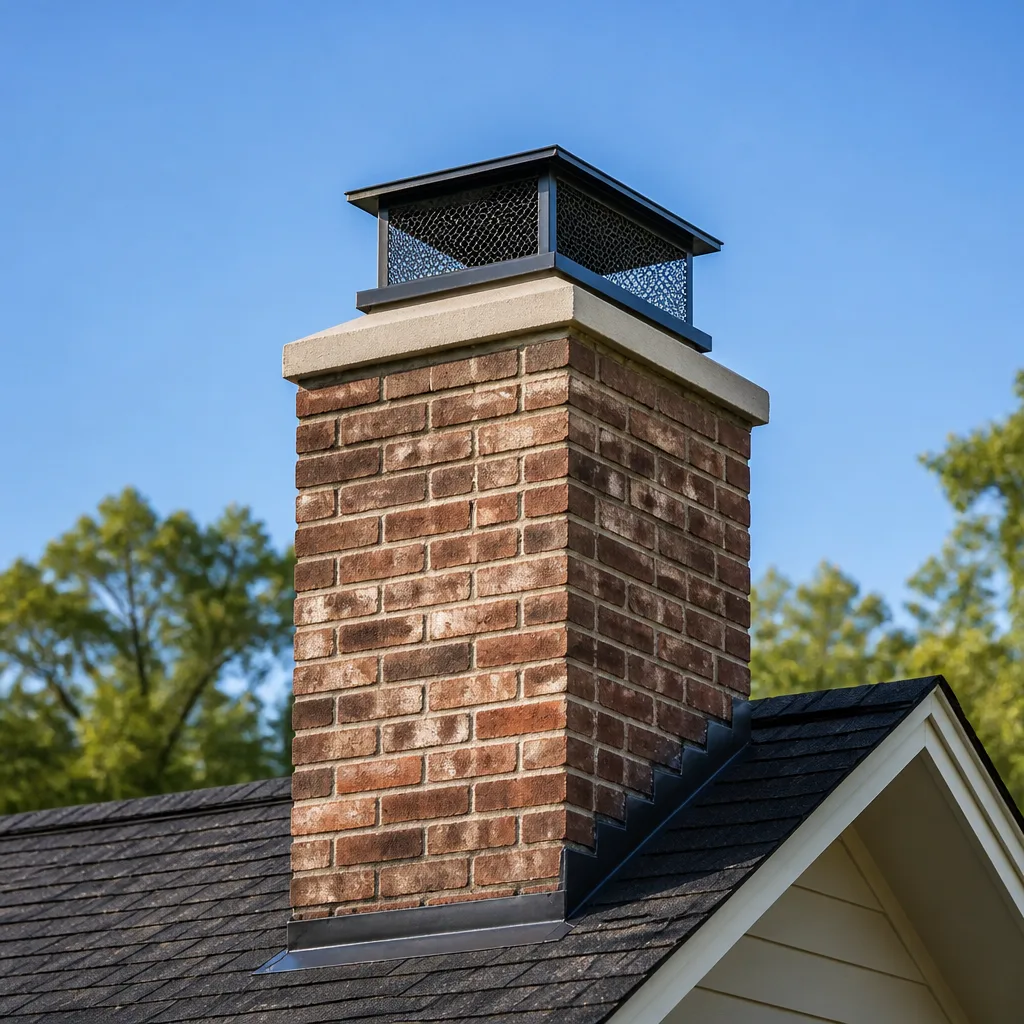
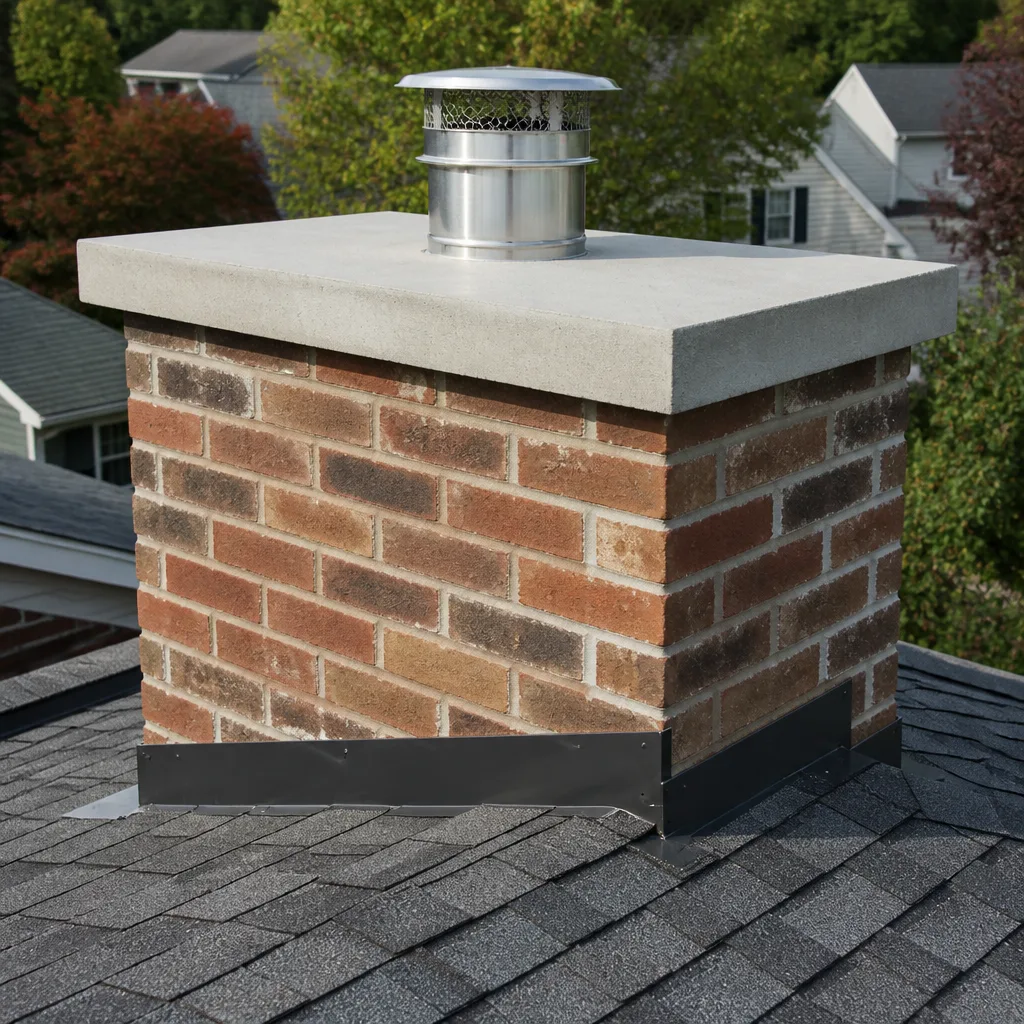
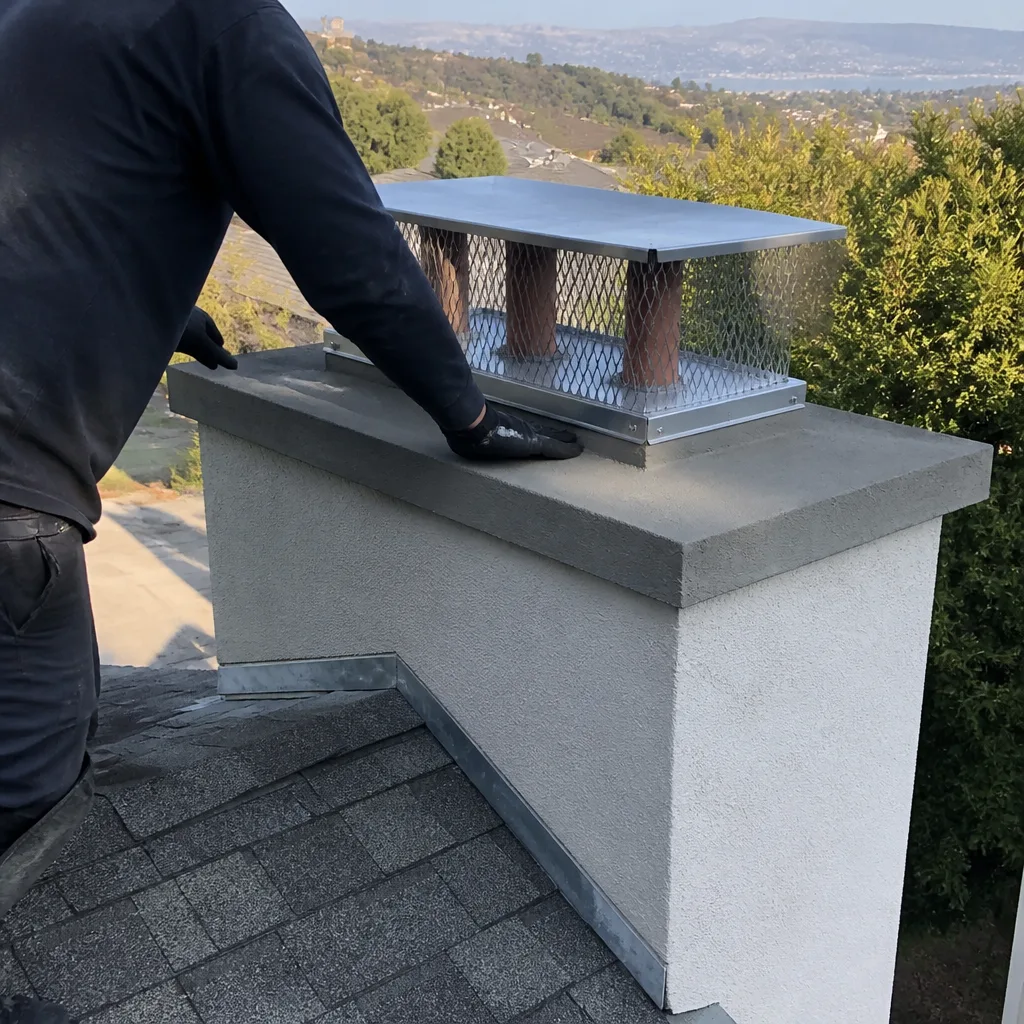
- Cap, crown, and exterior flashing check – the top of the chimney sees the worst weather exposure. A cracked crown is a moisture entry point that slowly destroys the chimney from the top down.
- Written report with photos and findings – you leave with documentation, not vibes.
Why does the camera inspection matter so much in Bay Terraces specifically? Because the failure modes in a mild climate are subtle. A hairline crack in a clay liner that would show itself quickly in a freezing climate can hide for years here, letting moisture seep into masonry. The camera reveals what a brush alone can’t.
This is also where repair capability matters. If the camera shows a cracked section of clay liner or a deteriorated smoke shelf, a specialist who does Chimney Repair in Bay Terraces can address it directly. You’re not handed a referral to a stranger. The finding gets fixed by the same team that found it, often with professional-grade materials like HeatShield resurfacing products or DuraFlex stainless liner systems. That continuity is the difference between a sweep that identifies problems and one that actually solves them.
Why Low-Burn Fires Build Dangerous Creosote Fast
Here’s a pattern we see over and over in Bay Terraces. A homeowner lights a fire on a cool evening for ambiance, not for heat. They keep the air supply dampened down so the wood smolders. The fire looks nice, but the flue temperature stays low. That’s the creosote factory.
Creosote is tars and unburned organic compounds that condense onto the flue wall when smoke doesn’t get hot enough to vent completely. It forms in stages:
- Stage 1: Light, sooty powder. Normal after any fire. Easy to brush away.
- Stage 2: Shiny, flaky tar. It forms when fires burn too cool. This is what you’re creating with every smoldering, low-air fire.
- Stage 3: Thick, hardened glaze. This is a fuel source, not just a coating. It requires chemical treatment or specialized rotary tools to remove, and it’s a leading contributor to chimney fires.
Frequent hot fires in cold climates have a built-in advantage: the entire system gets hot enough to prevent stage 2 and 3 creosote from accumulating between sweeps. Bay Terraces homeowners burn less often, but when they do burn, the fires tend to be shorter, cooler, and more likely to be damped down early. That combination produces stage 2 creosote faster per face cord of wood than a winter of hot burns in a Minnesota cabin.
The practical takeaway: if you only burn a few fires a year, don’t assume you’re clean. A single evening of damped-down smoldering can lay down enough stage 2 creosote to warrant a sweep before the next fire. The flue doesn’t self-clean between uses; it just sits there with its tar coating, hardening and concentrating.
Animal Intrusion and Nesting Risks in Bay Terraces
The San Diego area gives us year-round animal activity, and Bay Terraces sits close enough to canyons and open space that chimney wildlife is a regular call. The main culprits are birds: starlings, sparrows, and pigeons. Squirrels and raccoons are less common in the tighter neighborhoods but still turn up.
What an animal leaves behind matters more than the animal itself:
- Nesting material – dried grass, twigs, and debris packed into the flue, smoke shelf, or around the damper. This is dry, fibrous fuel sitting directly in the exhaust path.
- Droppings – bird and mammal waste in a chimney carries histoplasmosis and other respiratory hazards. This isn’t a homeowner cleanup item.
- Dead animals – a bird that gets trapped behind the damper and dies creates an odor problem and a health hazard that can’t be brushed away with a once-over.
- Damper damage – nesting animals often dislodge or corrode dampers, leaving the flue open to weather and more intrusion.
A proper sweep after a period of disuse should include an active check for animal signs: nesting material, droppings, claw marks on masonry, or a jammed damper. This isn’t just soot removal. It’s checking whether the chimney has been occupied. If it has, full removal and sanitization should happen before the next fire. Lighting a fire with a nest in the smoke chamber is a fast path to a chimney fire or a smoke-filled living room.
Prevention is straightforward: a properly fitted chimney cap with small mesh screening, installed and checked as part of an annual inspection. The cap also keeps rain out, which combats the moisture problem we described earlier. Think of it as the cheapest structural insurance your chimney will ever get.
How to Read a Chimney Sweep Report
After the sweep, you should have a written report with photos. It’s not always obvious what matters and what’s just standard wear. Here’s how to read it like a professional.
Items that require immediate action:
- Any mention of stage 3 creosote glaze. This is a fire hazard and should be removed before the next burn.
- Cracked or missing flue liner sections. A compromised liner allows heat and gases to reach surrounding masonry or combustible framing.
- Blockages: animal nests, heavy debris, fallen masonry. The flue is not functional until cleared.
- Water damage in the firebox or visible rust on the damper. Water entry is a slow structural killer.
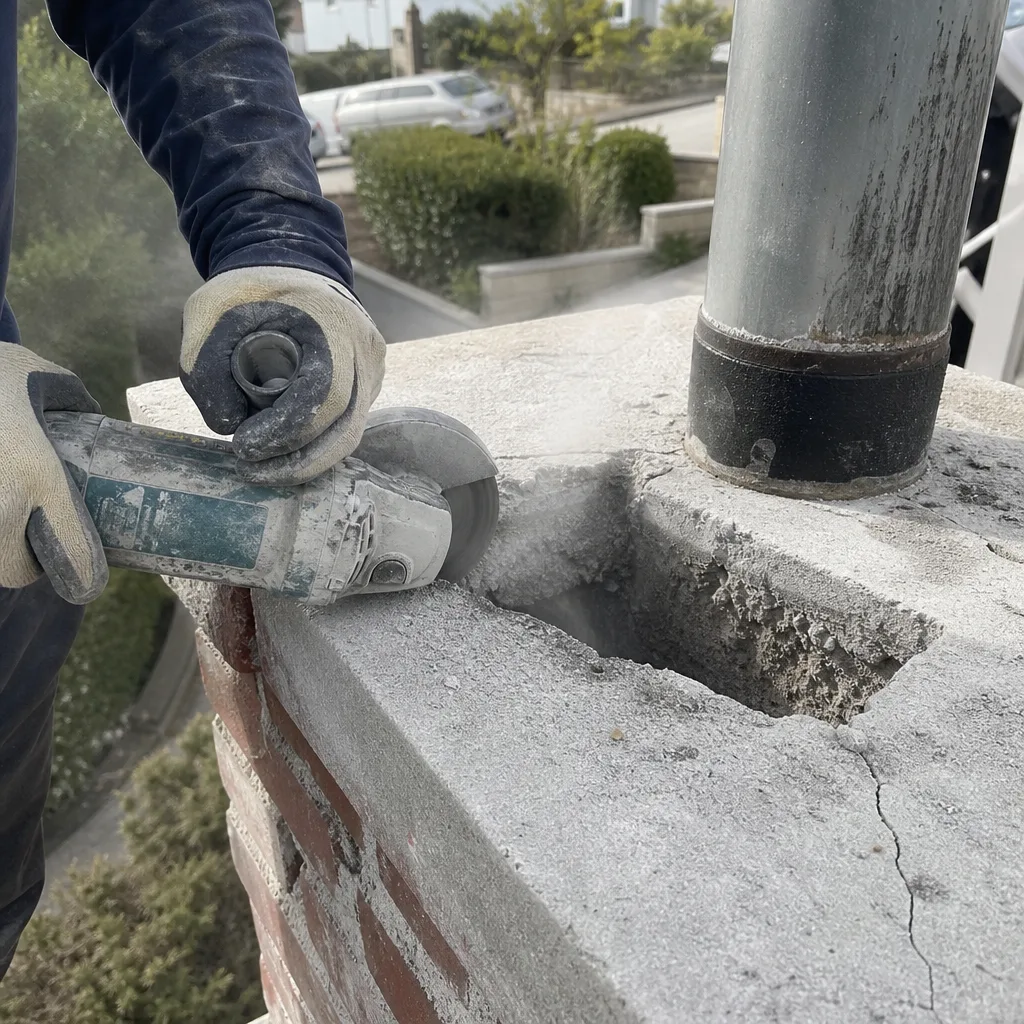
- A cracked or spalling crown. This worsens every year and is one of the cheapest repairs to do early.
Items that can wait for scheduled maintenance:
- Minor mortar joint deterioration in the smoke chamber (repointing work, not an emergency).
- Light surface rust on the damper that still operates smoothly.
- Cosmetic staining on the exterior masonry with no sign of moisture penetration inside.
- A small amount of stage 1 creosote noted but not severe enough to require immediate re-sweeping before next season.
We tell Bay Terraces homeowners the same thing every time: if you can’t see the problem in a photo or camera still, ask to see the footage. A trustworthy chimney company documents what it finds. It’s not enough to be told “you need a new liner.” You should be shown the crack, the rust, the piece of clay that’s gone. That’s what separates a diagnostic report from a sales pitch.
Brand names in your report matter too. If a resurfacing or relining recommendation comes back, materials like HeatShield or Gelco signify professional restoration products that are applied by trained contractors. The same goes for Famco caps and dampers or Olympia Chimney components. Generic “liner repair” without a named system is often a handyman-grade patch. Specificity is a sign the company knows what it’s installing.
How Often Should You Sweep Your Chimney in Bay Terraces?
The NFPA standard is once per year at minimum, and that holds in Bay Terraces even though our burning season is short. Here’s the nuance: the annual visit might not need a full mechanical sweep every single year. After a light season with hot, clean burns and no animal activity, a camera inspection may show you can go another year before the next full sweep. But the inspection itself shouldn’t be skipped.
What changes the schedule for a specific Bay Terraces home:
- Wood type: Burning unseasoned or soft wood (pine, cedar) produces more creosote per burn than seasoned hardwood.
- Burn style: Regular low-burn or dampered-down fires mean more frequent sweeps, as covered above.
- Animal activity: Any sign of nesting means a full removal and likely more frequent cap checks.
- Chimney age: Older clay-lined chimneys in the original Bay Terraces housing stock typically need closer monitoring than newer steel-lined systems.
- Water intrusion: If the cap is damaged or the crown is cracking, moisture damage accelerates everything else.
Here’s a practical rule for our climate: if you can’t remember the last time the chimney was inspected, it’s due. If you’ve never had it inspected since buying the home, it’s overdue. The cleanest, safest fireplace is one where the flue gets looked at before the season starts, not after the first odd smell.
Common Mistakes to Avoid
- Assuming an unused chimney doesn’t need attention. The flue still weathers, collects moisture, and attracts animals when idle. Inspection isn’t optional just because you didn’t burn.
- Hiring a discount sweep that skips the camera inspection. Without interior footage, you’re paying for soot removal and no diagnosis. The most expensive chimney problems are the ones found late.
- Burning dampened-down fires for ambiance. Low-temperature smoldering is the fastest creosote builder there is. Burn with enough air to keep the fire active.
- Using the fireplace after animals have nested. Lighting a fire with dried nesting material in the flue is a chimney fire waiting to happen. Clean first.
- Ignoring water stains or spalling brick on the exterior. Moisture entry doesn’t fix itself. Early crown and cap repairs are cheap; liner replacement is not.
- Treating dryer vents and chimneys as separate concerns. A clogged dryer vent is the leading residential fire risk most chimney companies don’t handle. A specialist who does Dryer Vent Cleaning in Bay Terraces addresses both fire paths in the same visit.
When to Call a Professional
A chimney sweep in Bay Terraces should happen before the first fire of the season, not after you smell smoke in the house or see a film of soot on the mantel. Call if the fireplace hasn’t been inspected in over a year. Call if you’ve never seen camera footage of your flue. Call if you hear debris falling when you open the damper. Call if there’s a smell coming from the fireplace in summer, which usually means moisture or animal presence. Call if your dryer is taking longer than 45 minutes to dry a load, because that vent is the other fire risk in your home. See The Complete Guide to Chimney Cleaning in Bay Terraces for more details, or call Chimney Sweep Bay Terraces for a free estimate at (833) 756-1092.
Frequently Asked Questions
Chimney sweep pricing in Bay Terraces typically runs between $150 and $350 depending on the flue condition, chimney height, and whether animal removal or stage 3 creosote treatment is required. A basic sweep with a Level 1 camera inspection sits at the lower end; a neglected chimney with glaze and debris runs higher. Call (833) 756-1092 for a free estimate based on your chimney’s actual condition.
An inspection tells you whether a sweep is needed, but you can’t know without looking. Dark flaky deposits visible in the firebox, a strong campfire smell when the fireplace isn’t in use, or smoke that drafts poorly are signs a sweep is overdue. A camera inspection removes the guesswork and shows exactly what’s on the flue walls.
A DIY brush sweep can remove loose stage 1 soot, but it can’t remove stage 2 or 3 creosote safely, and it won’t inspect the smoke chamber, damper, or crown where the real problems hide. Chimney work carries real fall risk and respiratory hazards. Professional equipment and camera documentation are worth the cost, especially in Bay Terraces where animal debris and moisture damage are common findings. Read our DIY vs Professional Chimney Cleaning: The Bay Terraces Homeowner’s Decision Guide to learn more.
A sweep is the physical cleaning of soot and creosote. A Level 1 inspection is the visual, and ideally camera, assessment of the entire accessible chimney system. NFPA standards pair them together: cleaning without inspection misses structural problems, and inspection without cleaning leaves a dirty flue in place. The two are different jobs that should happen at the same appointment.
Gas fireplaces don’t produce creosote, but they do produce acidic combustion byproducts that corrode flue liners over time, and their venting systems can collect dust, debris, or animal nests just like wood flues. Annual inspection still applies. The concern shifts from creosote to vent integrity and carbon monoxide risk, which is invisible without proper equipment.
Look for a specialist, not a general handyman. The company should offer camera-documented inspections, handle repairs directly without referring you elsewhere, and use professional-grade materials with names you can research, like HeatShield, DuraFlex, or Famco. A company that also handles dryer vents understands the full ventilation fire risk picture in the home. Chimney Sweep Bay Terraces home covers both.
The Bottom Line
Bay Terraces chimneys age differently than chimneys in cold-climate regions. The mild weather means fewer fires, which means less self-cleaning from hot burns and more time for moisture, animals, and concentrated creosote to take hold. Annual inspection with a camera isn’t a nice-to-have here; it’s the only way to know what’s happening inside a system you can’t see. A proper sweep includes containment, mechanical cleaning, camera documentation, and an exterior check, not just a brush run. And when problems are found, a specialist who repairs what they find, with professional-grade materials, saves you the runaround and the risk. Call (833) 756-1092 to schedule your sweep.
Written by the team at Chimney Sweep Bay Terraces, serving Bay Terraces since 2011.
See the difference
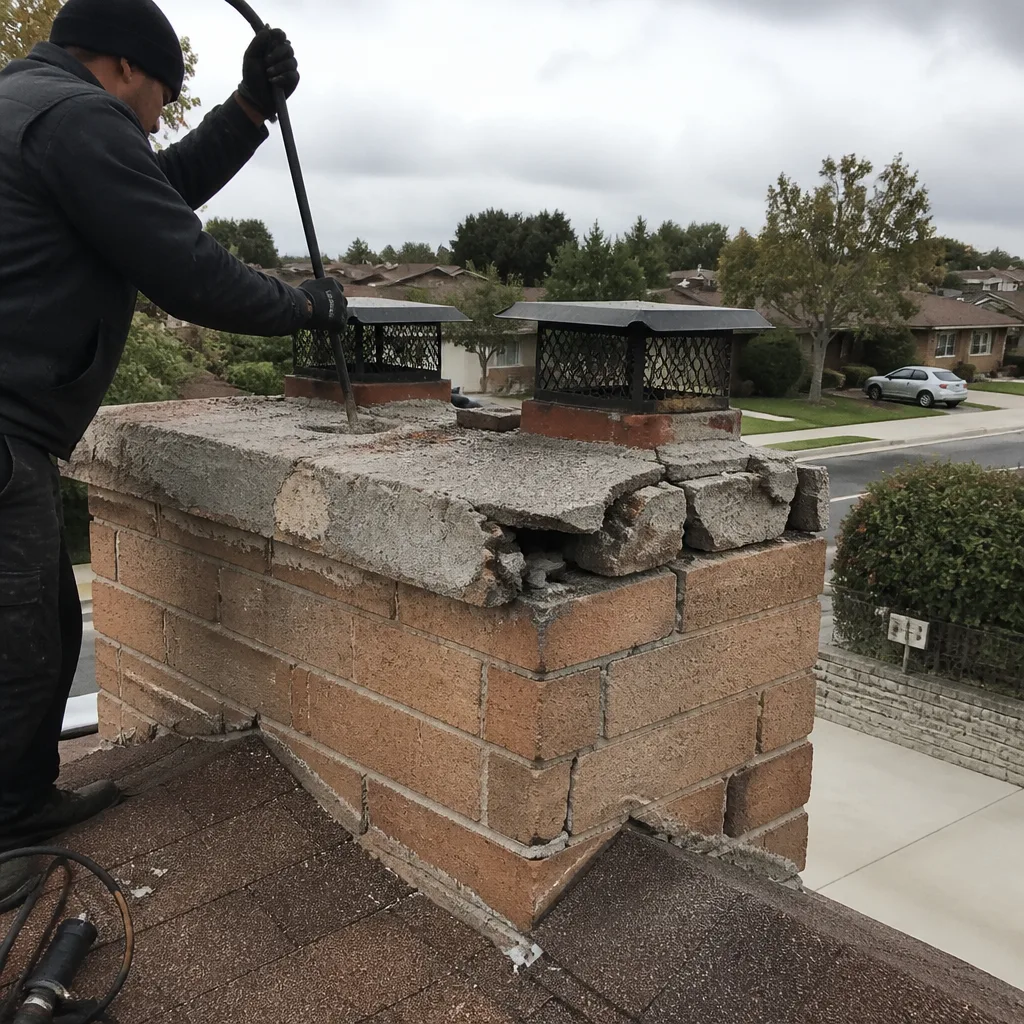 Before
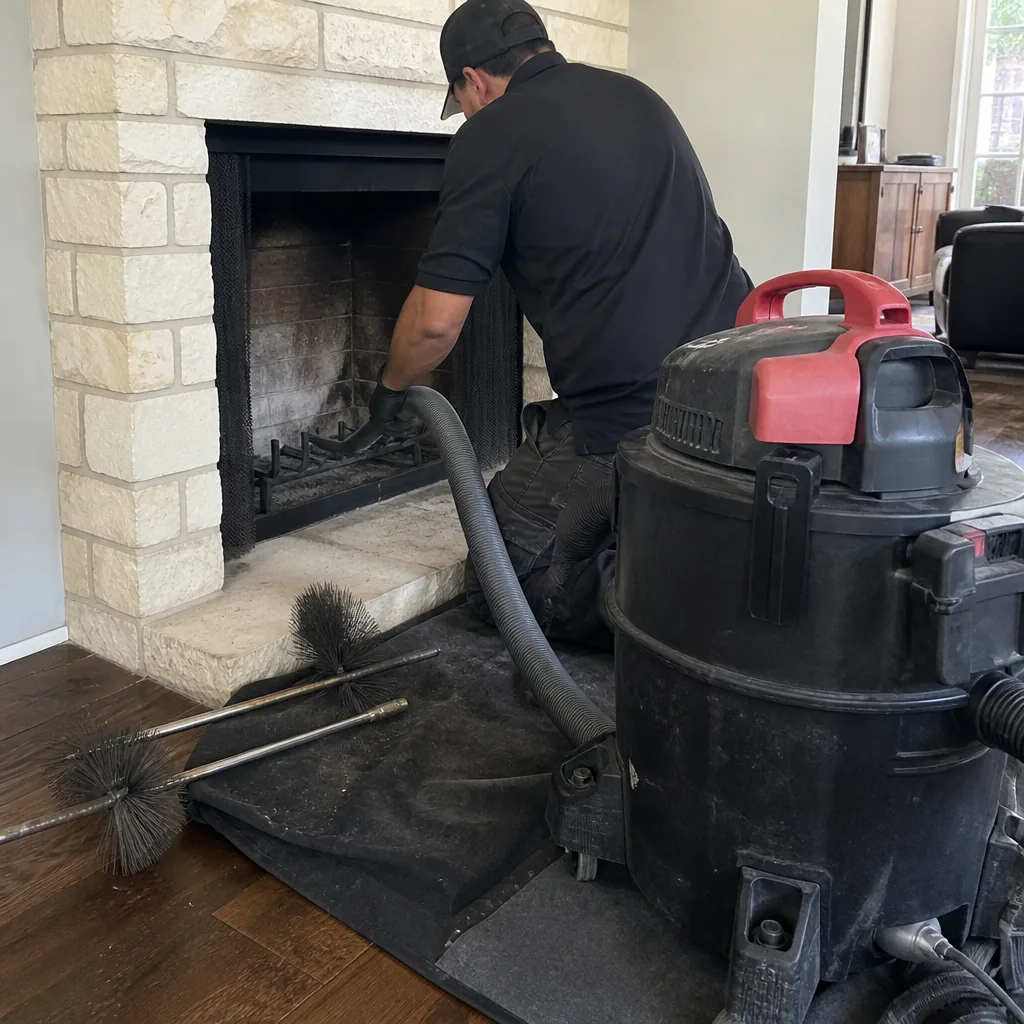 After
 Before
 After
 Before
 After