
Last updated November 2, 2026
 Sweep & inspection
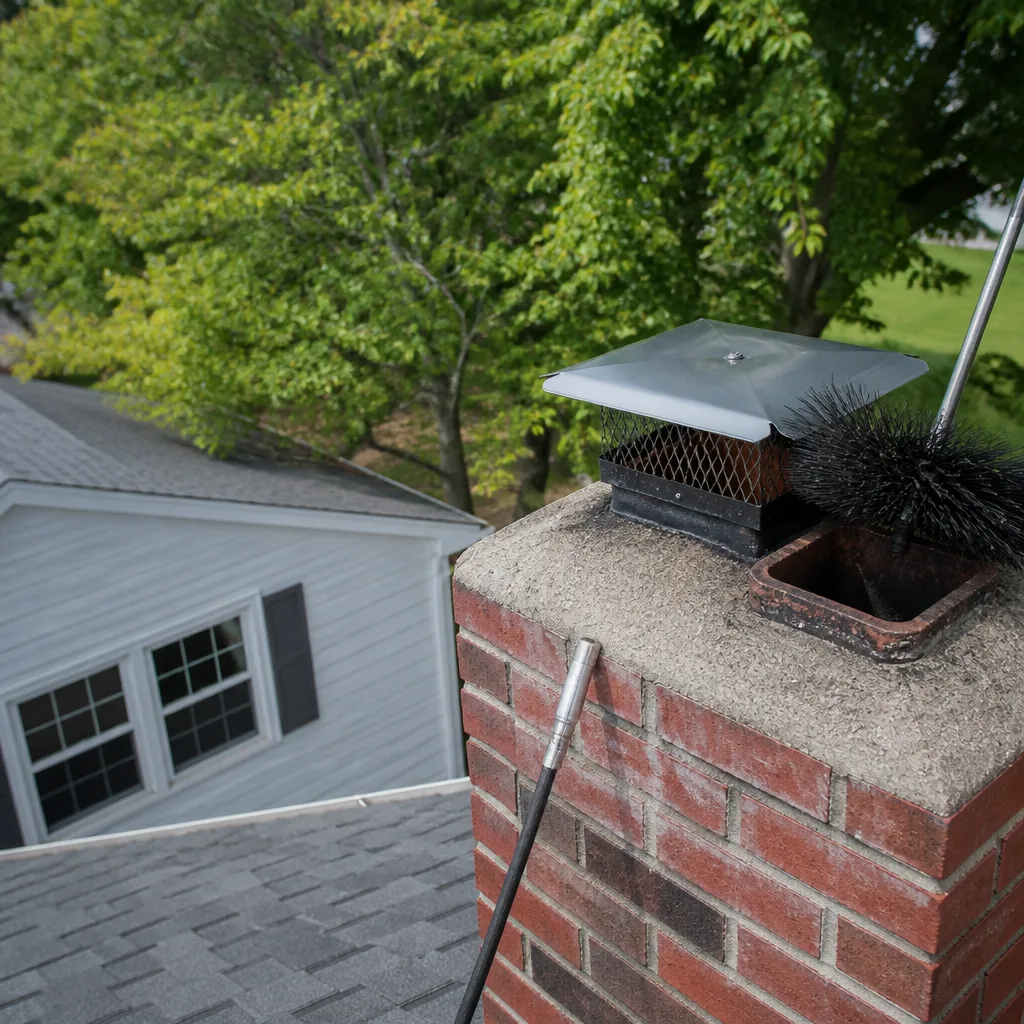
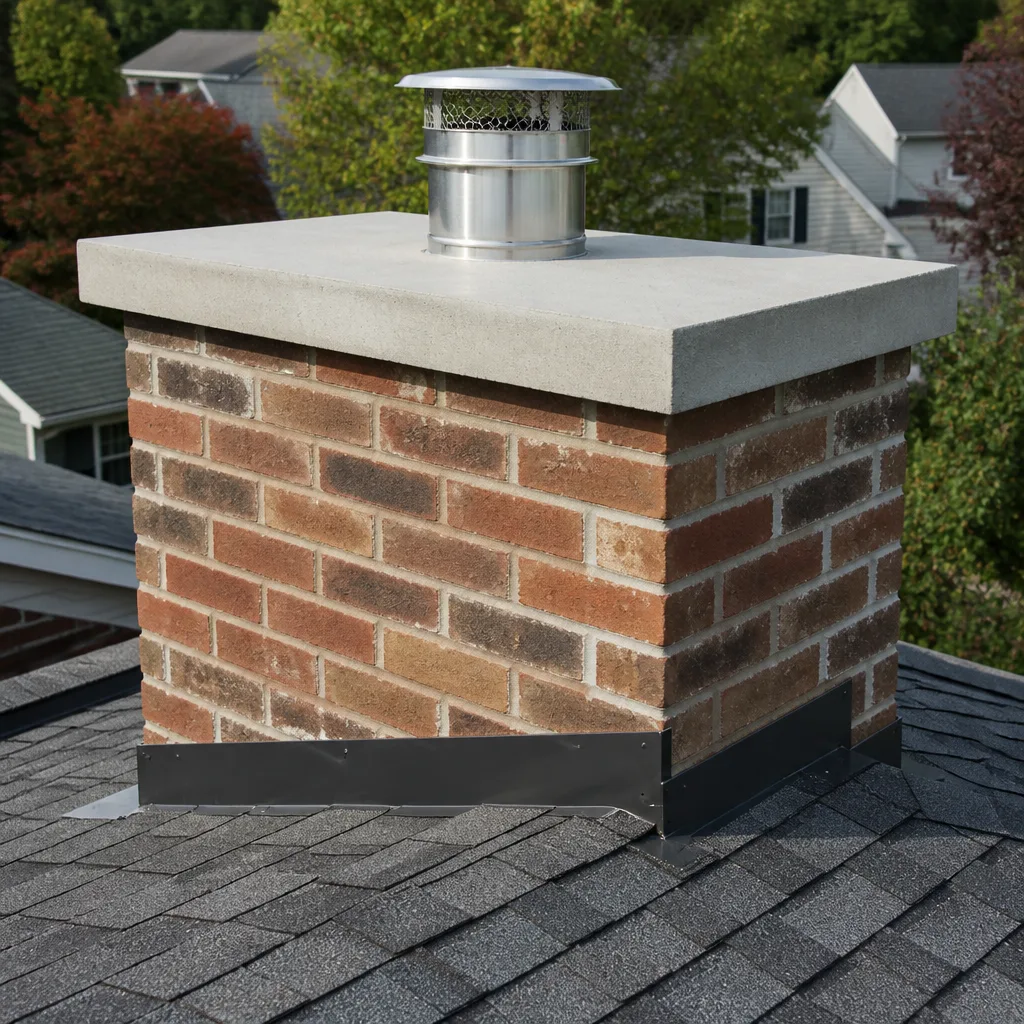
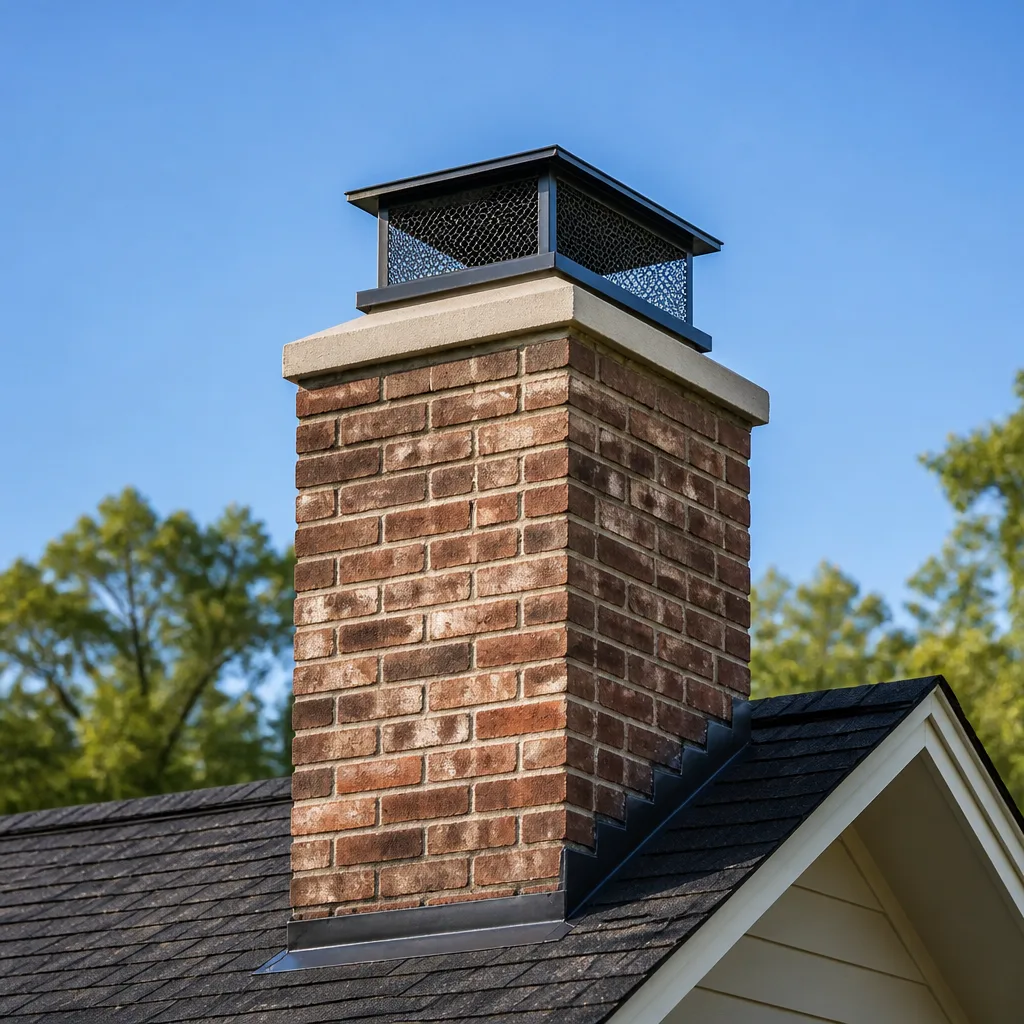 Caps & crowns
 Flue relining
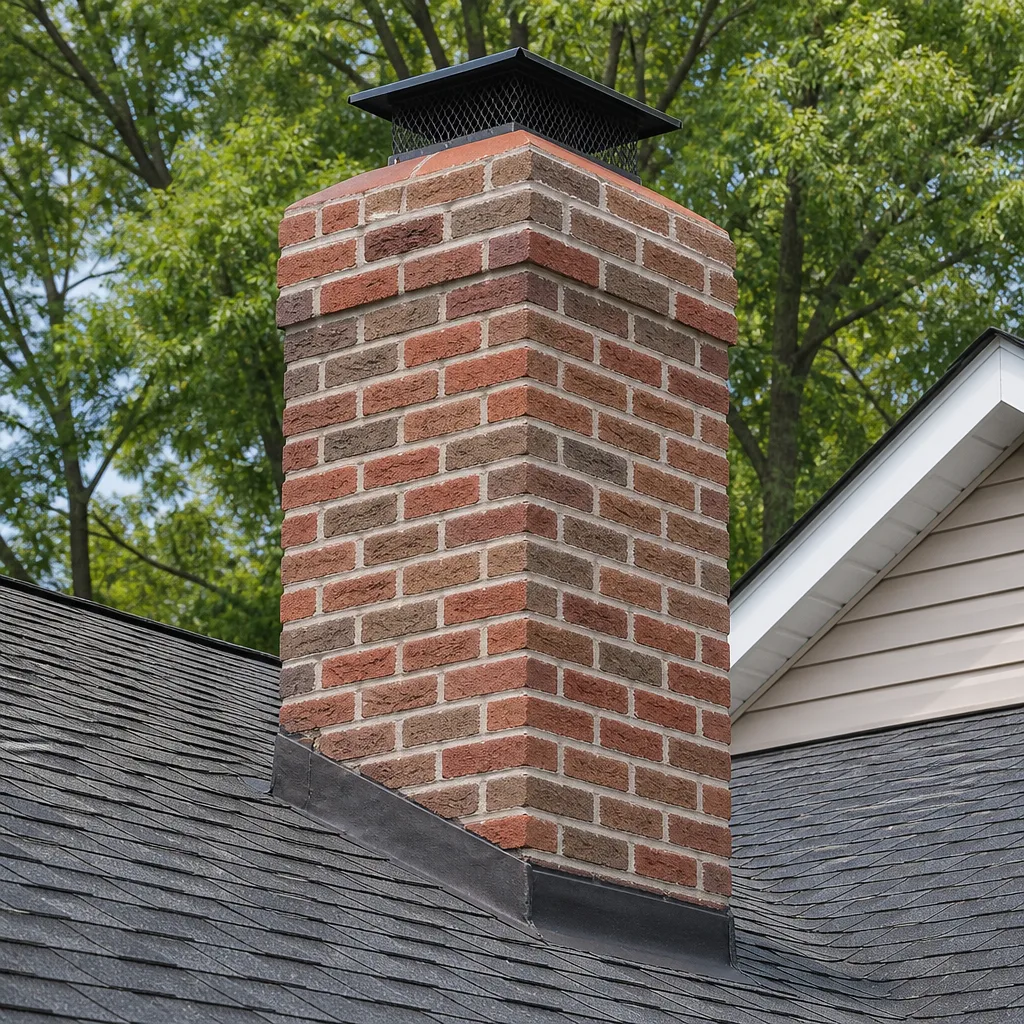 Masonry repair
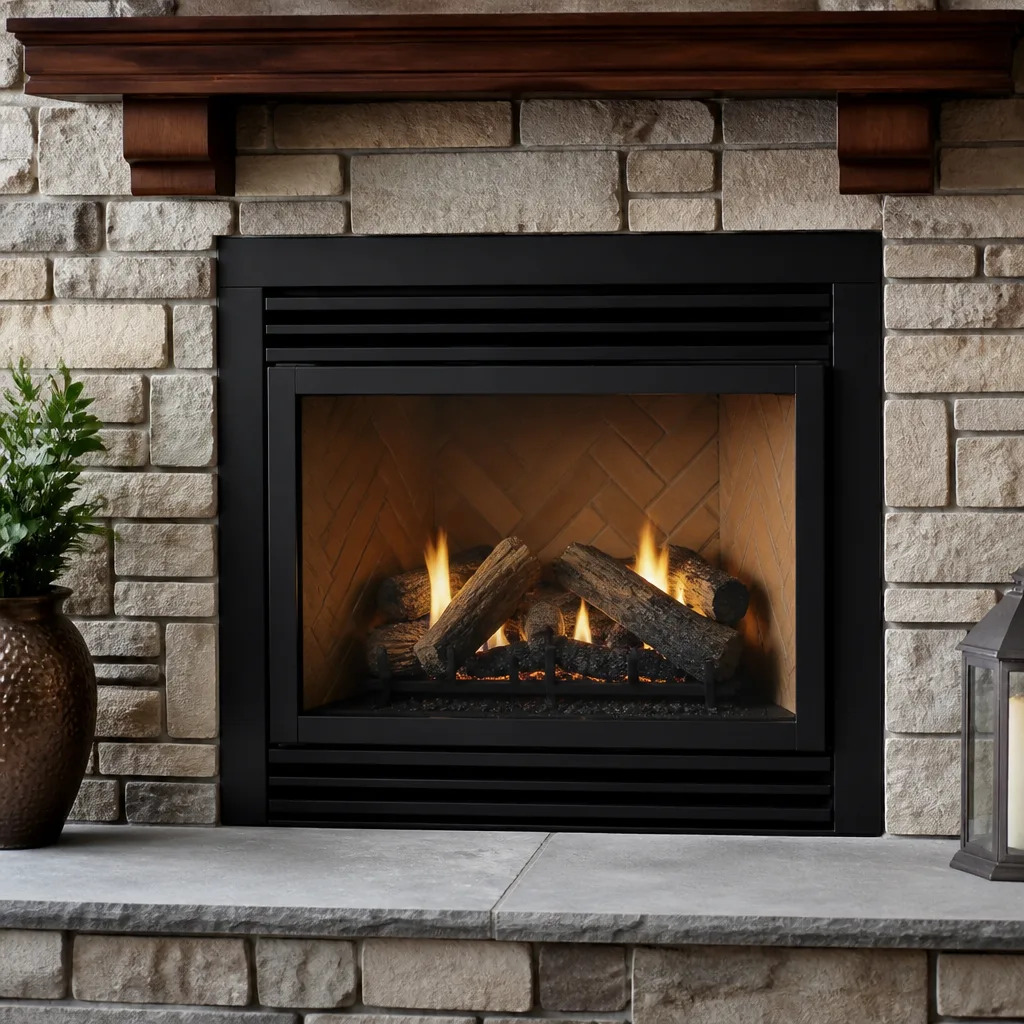 Gas fireplace service
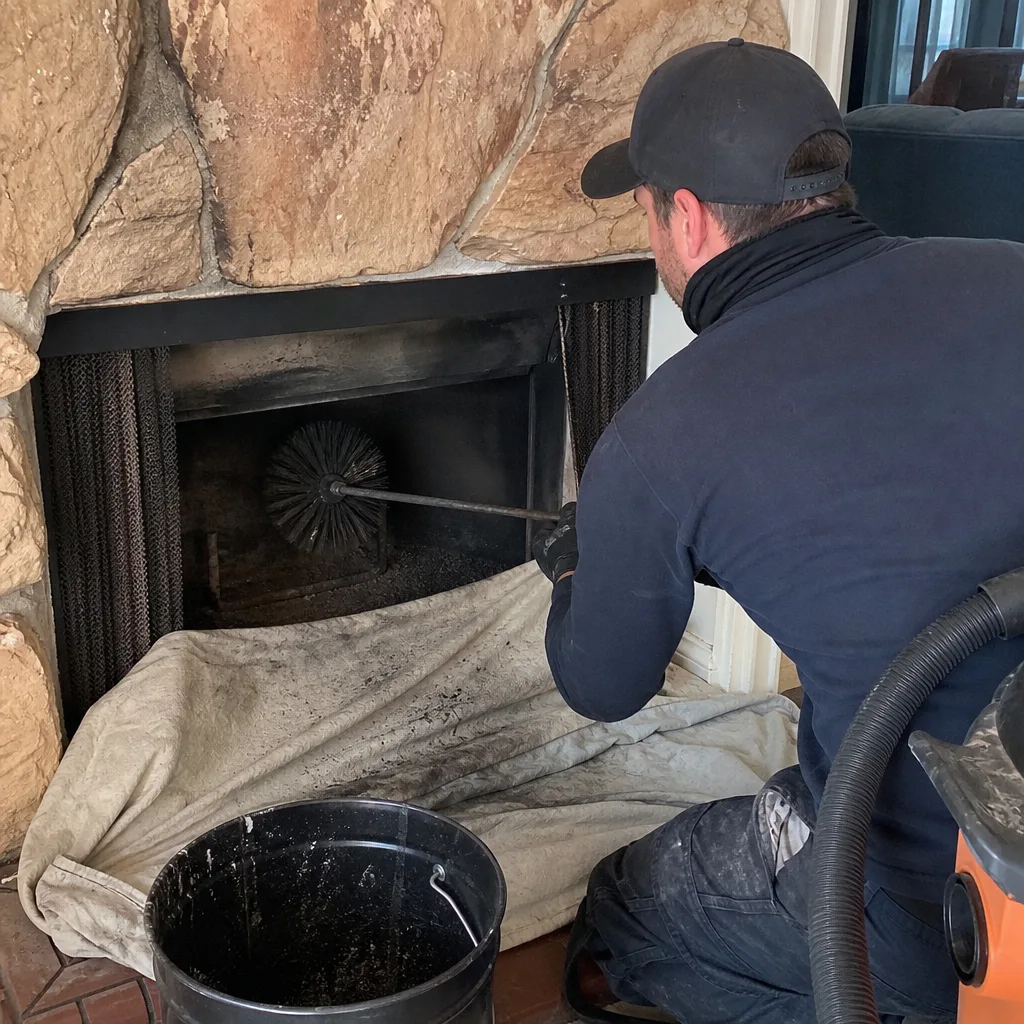
Level 1 sweep and inspection to the NFPA 211 annual standard - flue, crown, cap, and flashing checked and photographed
Chimney sweep logs do not sweep chimneys. They loosen some creosote - which then falls where a brush and vacuum still have to collect it.
How to Hire a Chimney Cleaning Contractor in Bay Terraces: A Step-by-Step Guide
Here’s the uncomfortable truth most Bay Terraces homeowners don’t realize until after they’ve handed over a check: California has no state licensing board for chimney sweeps. None. The state licenses contractors, sure, but a chimney sweep isn’t a recognized contractor classification the way an electrician or plumber is. That means anyone with a brush, a shop vac, and a Craigslist account can legally call themselves a chimney professional tomorrow morning. This guide exists to give you the vetting framework the state won’t. By the time you finish reading, you’ll know exactly which credentials matter, which questions expose a generalist in disguise, and how to hire a Chimney Sweep in Bay Terraces who actually knows what they’re looking at when they climb onto your roof.
Styles & brands we work with
- Sweep & inspection
- Caps & crowns
- Flue relining
- Masonry repair
- Gas fireplace service
Quick Answer
To hire a chimney cleaning contractor in Bay Terraces, verify CSIA certification through the Chimney Safety Institute of America’s online directory, confirm the contractor carries a HEPA-rated vacuum and a video inspection camera, require a written scope of work before anyone touches your chimney, and ask what brand of liner or cap they’d recommend if repairs are needed. A legitimate specialist will answer all four without hesitation. A generalist will start hedging by the second question.
Table of Contents
- What CSIA Certification Actually Means (And How to Verify It)
- The Equipment Question That Separates Professionals From Handymen
- What a Proper Chimney Cleaning Should Include
- Red Flags in Contractor Communication
- How to Evaluate Product Knowledge: The Liner and Cap Test
- The Step-by-Step Hiring Process
- Common Mistakes to Avoid
- When to Call a Professional
- Frequently Asked Questions
- The Bottom Line
What CSIA Certification Actually Means (And How to Verify It)
The Chimney Safety Institute of America is the closest thing this industry has to a governing body, and its certification is the baseline credential you want to see. But here’s the catch: saying “we’re CSIA certified” costs nothing to type into a website or paint on a van. The certification only means something if it’s current, in the person’s actual name, and verifiable.
CSIA certification requires passing a written exam covering chimney codes, fire safety, inspection procedures, and proper tool use. It also requires continuing education credits to maintain. That’s meaningful. A certified sweep has demonstrated they understand the physics of draft, the chemistry of creosote, and the structural anatomy of a chimney system. Someone without it may have learned everything they know from watching YouTube videos in a parking lot.
How to verify it takes thirty seconds:
- Go to the CSIA website and open their “Find a Certified Professional” directory.
- Search by the company name and by the individual technician’s name. Certification is issued to people, not companies, so the person doing the work needs to be the one listed.
- Confirm the certification is active. CSIA credentials lapse if the technician stops completing continuing education.
- If the name doesn’t come up, ask directly. A qualified sweep will happily give you their CSIA number. Anyone who gets defensive about that question is announcing a problem.
We’ve done sweeps in Bay Terraces where the homeowner showed us a quote from another company that claimed CSIA certification. A quick directory check showed the certification had expired three years earlier. The quote was cheap. The brush they planned to use was not. That’s the tradeoff, and it’s one you don’t want to discover mid-job.
One more thing worth knowing: CSIA certification covers sweeping and inspection. If the contractor is doing structural repair, relining, or masonry work, those jobs fall under California’s general contractor licensing requirements. Ask for the CSIA credential for the sweep side, and if repairs come up, confirm they’re properly licensed for the work before any hammer swings.
The Equipment Question That Separates Professionals From Handymen
You can tell a lot about a chimney contractor before they ever set foot inside your home, and the fastest tell is equipment. Two specific tools matter more than anything else: a HEPA-rated vacuum and a video inspection camera.
A HEPA vacuum isn’t a nice-to-have. It’s the difference between soot staying in your fireplace and soot fine enough to float through your living room settling on every surface you own. Standard shop vacs filter down to a certain micron level, and creosote dust sails right through. HEPA filtration captures the fine particulate that would otherwise become a gray film on your couch, your curtains, and your lungs. If a company shows up with a $60 bucket vac from a big-box store, they’ve already told you what they think of your home.
The video inspection camera matters even more. Here’s the reality of chimney anatomy: over 80 percent of the flue interior is impossible to see from the firebox with a flashlight. You can’t assess the condition of the liner, spot hidden cracks, or check the integrity of the clay tile without a camera that actually goes up the flue. A contractor who doesn’t carry one is guessing. And when a chimney contractor guesses about your liner, your family is the one living with the result.
Ask this question on the first call: “Do you run a video scope on every sweep?” The answer tells you everything. Professionals do it as standard practice because it’s the only way to actually diagnose what’s in there. Generalists will say it’s an extra charge, or that they only do it “if something looks wrong.” Something can’t look wrong if you can’t see it. That’s the point.
At Chimney Sweep Bay Terraces home consultations in this neighborhood, we bring the camera every time. It takes five minutes and it turns a surface cleaning into an actual diagnosis. That’s the level of service you’re paying for, or it should be.
What a Proper Chimney Cleaning Should Include
Here’s the second biggest problem in this industry right now: scope creep goes both ways. Some contractors quote you a price that seems reasonable, then deliver a surface-level brushing that leaves the real problems untouched because those problems cost money to address properly. The lowest quote in Bay Terraces almost always signals scope omission, not savings.
A proper chimney cleaning should include, at minimum:
- Full firebox and smoke chamber cleaning – the area above the damper where creosote builds up fastest and where chimney fires most often start.
- Complete flue brushing – sized correctly to the flue dimensions, not a one-size-fits-all brush dragged through a square opening.
- Damper inspection and operation check – a damper that doesn’t seat properly leaks warm air out of your house year-round.
- Cap and crown assessment – the top of the chimney is where rain, animals, and debris enter. A cracked crown becomes a structural problem in Bay Terraces within a season or two.
- Video inspection of the liner – looking for cracks, gaps, spalling, or creosote glaze that requires more than brushing.
- Debris removal from the smoke shelf and cleanout area – the spots every quickie cleaning skips because they’re awkward to reach.
The “door-to-door special” typically includes the flue brushing and maybe a cursory glance at the firebox. It doesn’t include the camera. It doesn’t include the smoke chamber. It doesn’t include the damper check. So the homeowner pays $79, feels good about it, and a year later has a chimney fire in a smoke chamber that hasn’t been properly cleaned in four years.
In Bay Terraces specifically, we see older homes where the original construction used mortar mixes that don’t hold up well to decades of thermal cycling. That means deteriorating mortar joints around the crown and at the roofline, and that means a proper scope of work should include a masonry-specific assessment even if the cleaning itself is straightforward.
Red Flags in Contractor Communication
You’ll learn more about a contractor from the way they talk than from anything on their website. Here are the communication patterns that should make you end the conversation quickly:
- No written estimate. If they’ll only give you a verbal number, they haven’t defined the scope, which means the number can float after the job starts. A real scope of work is written, specific, and includes what’s included and what’s not.
- Vague scope language. “We’ll clean the chimney” is not a scope. “We’ll brush the full length of the flue, remove creosote from the smoke chamber and firebox, inspect the damper, and run a video inspection of the liner” is a scope. One of those protects you. The other one doesn’t.
- Pressure to upsell on the first call. A contractor who tells you over the phone that you “probably need a new liner” before anyone has looked at your chimney is selling, not diagnosing. Diagnosis requires looking. Anyone who skips straight to the expensive conclusion is running a sales pipeline, not a service business.
- Can’t explain what they found. After the sweep, ask “what did you see in there?” A professional will tell you about the creosote grade, the condition of the clay tile, whether the mortar joints at the top are spalling. Someone who just says “it was dirty” either wasn’t paying attention or doesn’t know what they’re looking at.
- Ghosting on follow-up questions. If you ask what kind of liner they use for repairs and they say “the good kind,” that’s your answer. That’s not a chimney specialist. That’s someone with a van and a brush.
We’ve talked to Bay Terraces homeowners who had previous contractors leave without saying a word about a cracked flue tile that was visible on the video scope. Not because they were dishonest, necessarily, but because they didn’t know what a cracked flue tile looked like. That’s the quiet danger of hiring a generalist. They don’t know what they don’t know, and you’re the one living with the gap.
How to Evaluate Product Knowledge: The Liner and Cap Test
Here’s a simple test anyone can run on a phone call, and it weeds out the pretenders quickly. Ask this exact question: “If my chimney needs a new liner or cap, what product lines do you work with?”
Listen to the answer carefully.
A real chimney specialist will name brands instantly because they work with them every week. They’ll say DuraFlex for stainless steel liner systems. They’ll mention HeatShield if they have the certification to apply that resurfacing system to a damaged clay liner. They’ll bring up Famco for caps or Copperfield for a range of chimney components. They know these names because they’ve installed them, they’ve watched how they hold up over years of Bay Terraces moisture and temperature swings, and they’ve dealt with the warranty paperwork.
A generalist will say “we can get whatever you need” or “the parts store has everything.” That’s not product knowledge. That’s a shopper. You don’t want a shopper deciding what goes inside the one component of your house that contains fire.
The reason this matters so much is that not all liners and caps are equal. A stainless steel liner needs to be sized correctly to the appliance, installed with proper clearances, and terminated correctly at the crown. The cap needs to fit the flue dimensions precisely or it creates a draft problem instead of solving one. These materials are the safety-critical components of your chimney system, and the difference between a contractor who specs them properly and one who grabs whatever fits is a house fire waiting for the wrong moment.
This is also where Chimney Repair in Bay Terraces specialists separate themselves naturally. A company that only sweeps chimneys has no reason to know liner brands. A company that actually repairs chimneys, that stocks and installs professional-grade materials, can name those products because they’ve built a business around doing this properly.
The Step-by-Step Hiring Process
Let’s compress everything into a sequence you can follow this week. Here’s the exact process we’d recommend to a friend in Bay Terraces who’s never hired a chimney contractor before:
- Build a shortlist of three. Ask neighbors, check local community groups, look at verified review platforms. Skip any company that only has a phone number and a Facebook page with no business history.
- Call each one and run the CSIA check. Ask for the individual technician’s certification and verify it on the CSIA directory while you’re on the phone. Ten minutes total. Eliminates most of the bottom-tier operators immediately.
- Ask the equipment question. “Do you run a HEPA vacuum and a video scope on every sweep?” If the answer isn’t an immediate yes to both, move on. This one question will remove the rest of the generalists.
- Ask the product question. “What liner and cap brands do you work with?” Listen for named products, not vague deflection.
- Request a written scope of work. Before scheduling, get a document that lists exactly what’s included, what’s not included, and what happens if the inspection turns up a problem. If they won’t put it in writing, they’ve just told you what their word is worth.
- Schedule the sweep and be present. You don’t need to hover, but you should be home. After the work, ask to see the video inspection footage and have them walk you through what they found.
- Get the after-report in writing. A professional operation provides documentation of what was done and what was observed. If you need to make an insurance claim down the road, that paper trail matters.
For Bay Terraces homeowners who want to skip the phone call gauntlet, we make this process straightforward. We’re happy to answer every one of these questions on a first call, because we’ve been answering them for years. A specialist who’s proud of his certifications and his equipment wants to talk about them. That’s the tell you should look for.
Common Mistakes to Avoid
- Hiring purely on price. A $79 chimney sweep in Bay Terraces is not doing the same job as a $250 sweep. The cheap version skips the camera, the smoke chamber, and the damper check. You’re not saving $170; you’re paying $79 for a partial service that leaves the most dangerous deposits in place.
- Assuming a handyman can handle it. Chimney systems look simple from the outside. They’re not. The interactions between draft, creosote accumulation, liner integrity, and moisture intrusion require training to assess properly. Your handyman can paint the living room. He shouldn’t be diagnosing your flue.
- Taking “certified” at face value. Anyone can print it on a business card. Verify it, every time, against the CSIA directory. Expired certification is functionally the same as no certification.
- Skipping the after-sweep walkthrough. A photo isn’t enough. You need to see the video footage and hear the explanation in person. That’s when you learn whether the contractor actually understood what they were looking at.
- Ignoring the dryer vent. Most chimney companies don’t mention it because it’s not a chimney. But dryer vent fires are caused by the same underlying problem, built-up lint creating a fuel source, and they happen in the walls where you can’t see them. Ask about Dryer Vent Cleaning in Bay Terraces while you’re at it. One specialist, one appointment, both fire risks addressed.
- Waiting for cold weather to schedule. Bay Terraces doesn’t get snow, but the pre-burning-season rush is real. Chimney companies book up in October and November. Spring and summer sweeps are easier to schedule, and you’ll catch any problems long before you need the fireplace.
When to Call a Professional
Some situations go beyond routine maintenance and need a specialist immediately. If you smell smoke in the house when the fireplace isn’t in use, that’s a draft reversal problem that often signals a blocked flue. If you see white staining on the exterior brick, that’s efflorescence, and it means moisture is moving through the masonry, typically from a failed cap or crown. If you hear animals in the chimney, that’s a wildlife entry problem that also means your cap or damper has gaps that need addressing. If you have a gas fireplace, annual inspection is non-negotiable because gas appliances produce carbon monoxide when they’re not venting properly, and you can’t smell it. Chimney Sweep Bay Terraces offers free estimates in Bay Terraces, call (833) 756-1092, and we’ll send someone who can diagnose what’s actually going on.
Frequently Asked Questions
Go to the CSIA website’s “Find a Certified Professional” directory and search by the individual technician’s name, not just the company name. Certification is issued to people, so the person doing the work needs to be listed as active. If they won’t give you their CSIA number, treat that as a disqualification.
For year-round guidance, see our Seasonal Chimney Cleaning Care for Bay Terraces: Year-Round Homeowner’s Guide; the National Fire Protection Association recommends an inspection at least once per year, and cleaning whenever creosote accumulation reaches 1/8 inch or more. For most wood-burning fireplaces used regularly during winter, that means an annual sweep. Gas fireplaces can go longer between cleanings but should still be inspected annually for venting integrity and carbon monoxide safety.
Expect to pay between $225 and $500 for a proper chimney sweep that includes full flue brushing, smoke chamber cleaning, damper inspection, and video scope of the liner. Cheaper quotes almost always omit portions of this scope. The low-priced door-to-door specials are doing less than half the job.
Yes. You cannot see the interior condition of the flue from below, and cracks in the clay tile liner are invisible without a camera. A video inspection is the only way to verify that your liner is actually sound. Skipping it is like buying a house without an inspection because the paint looks nice.
A sweep cleans what’s there. A repair contractor diagnoses and fixes what’s wrong, replacing cracked liners, rebuilding crowns, addressing structural masonry issues, and installing new caps or dampers. Many companies do both, and hiring a company with genuine repair capability means problems found during the sweep can be resolved by the same specialist team instead of a referral to someone you don’t know.
Because the same team that understands airflow, fire risk, and confined-space diagnostics can apply that expertise to the dryer vent, which is a leading cause of residential fires. Most dedicated chimney companies don’t offer dryer vent service at all, so finding one that does means both fire risks can be handled in one appointment by people who know what they’re looking for. Call (833) 756-1092 to schedule both, estimates are free.
The Bottom Line
Hiring a chimney cleaning contractor in Bay Terraces comes down to verification, not hope. For more guides & resources, explore our blog. The state won’t protect you from unqualified operators, so the protection has to come from your own due diligence. Verify CSIA certification against the official directory, ask about HEPA vacuums and video inspection cameras, require a written scope of work, and test product knowledge with the liner-and-cap question. The contractors who pass all four tests are the ones who take this work seriously, and they’re the ones you want on your roof. The contractors who fail are the ones counting on you not to ask.
Written by the team at Chimney Sweep Bay Terraces, serving Bay Terraces since 2011.
See the difference
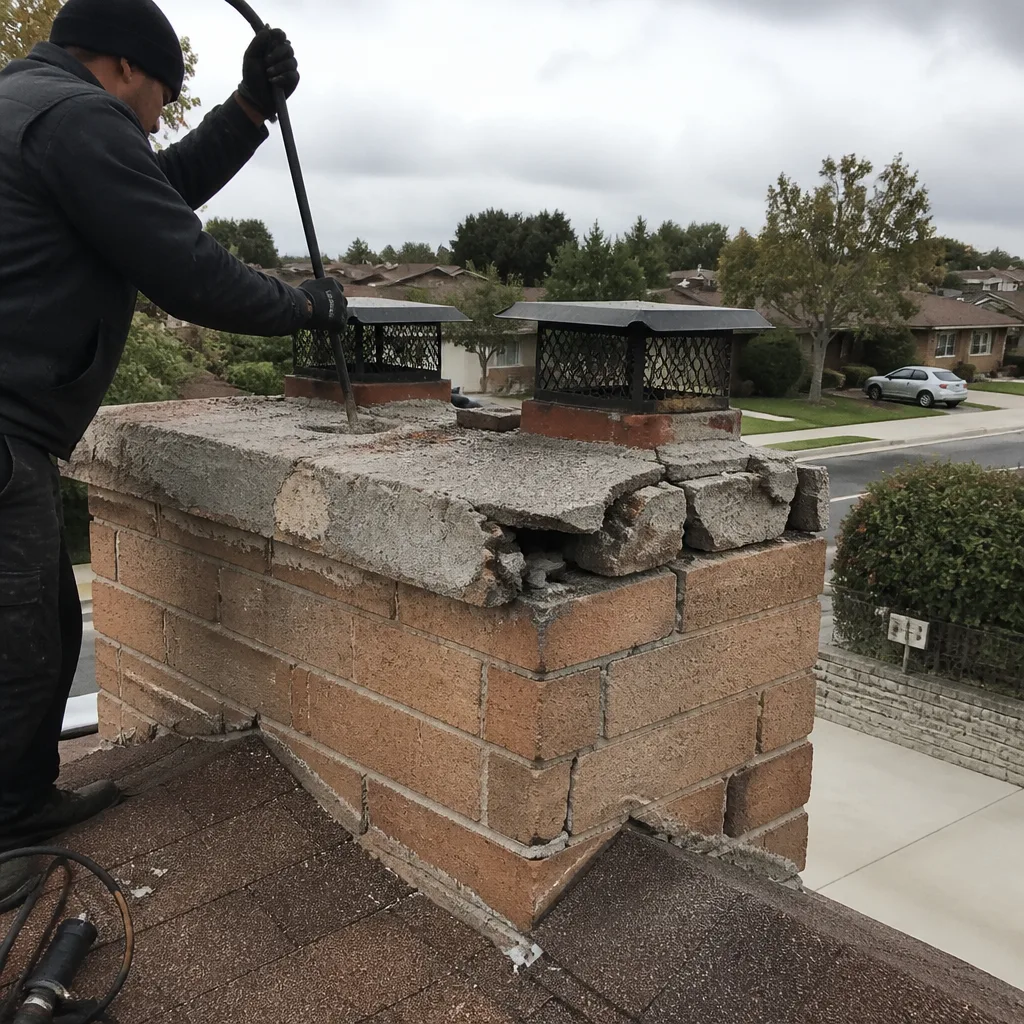 Before
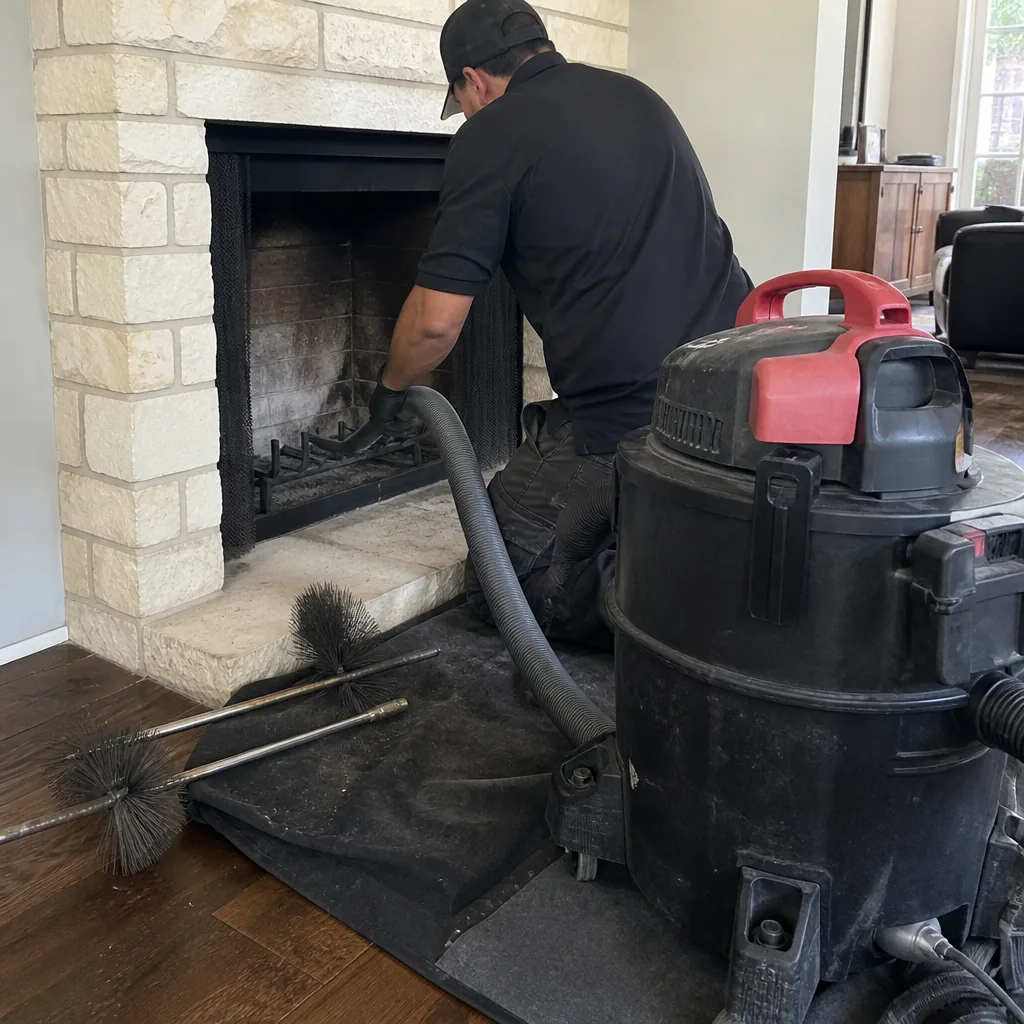 After
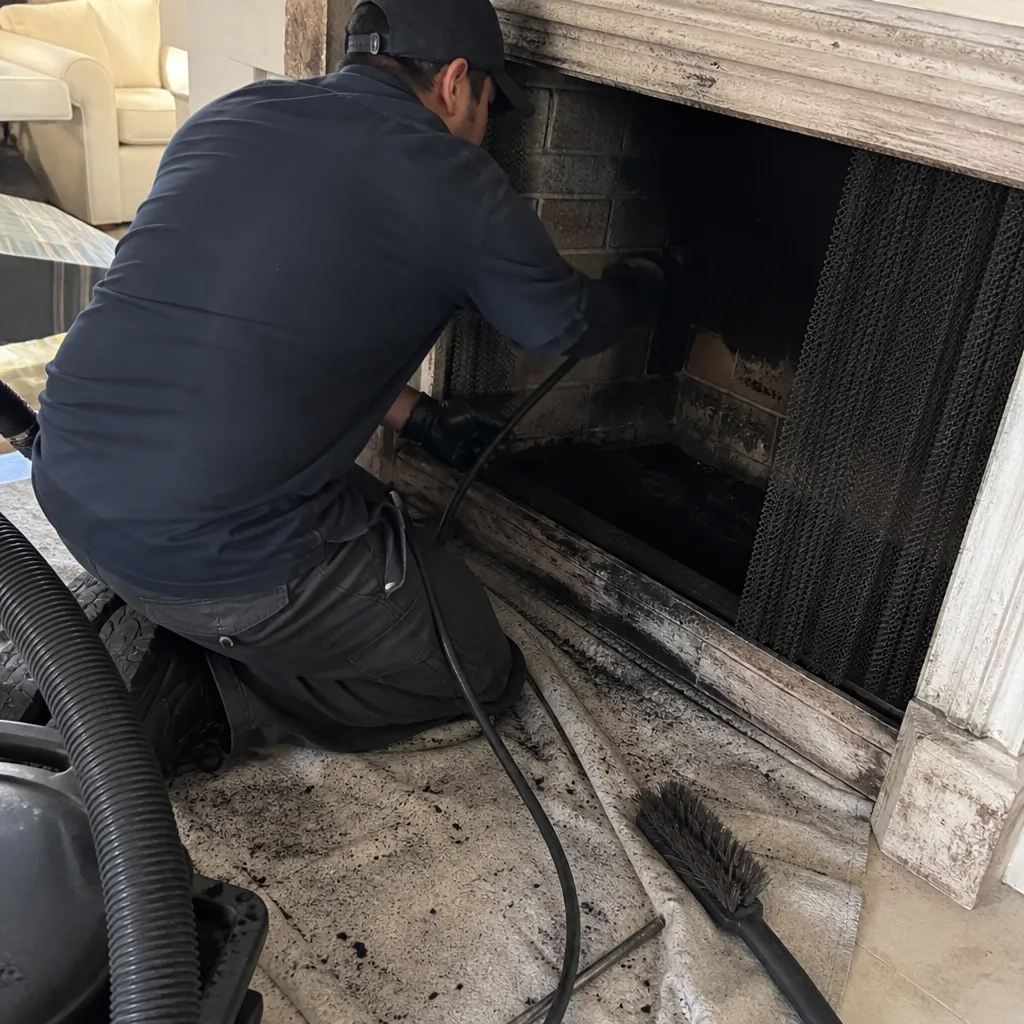 Before
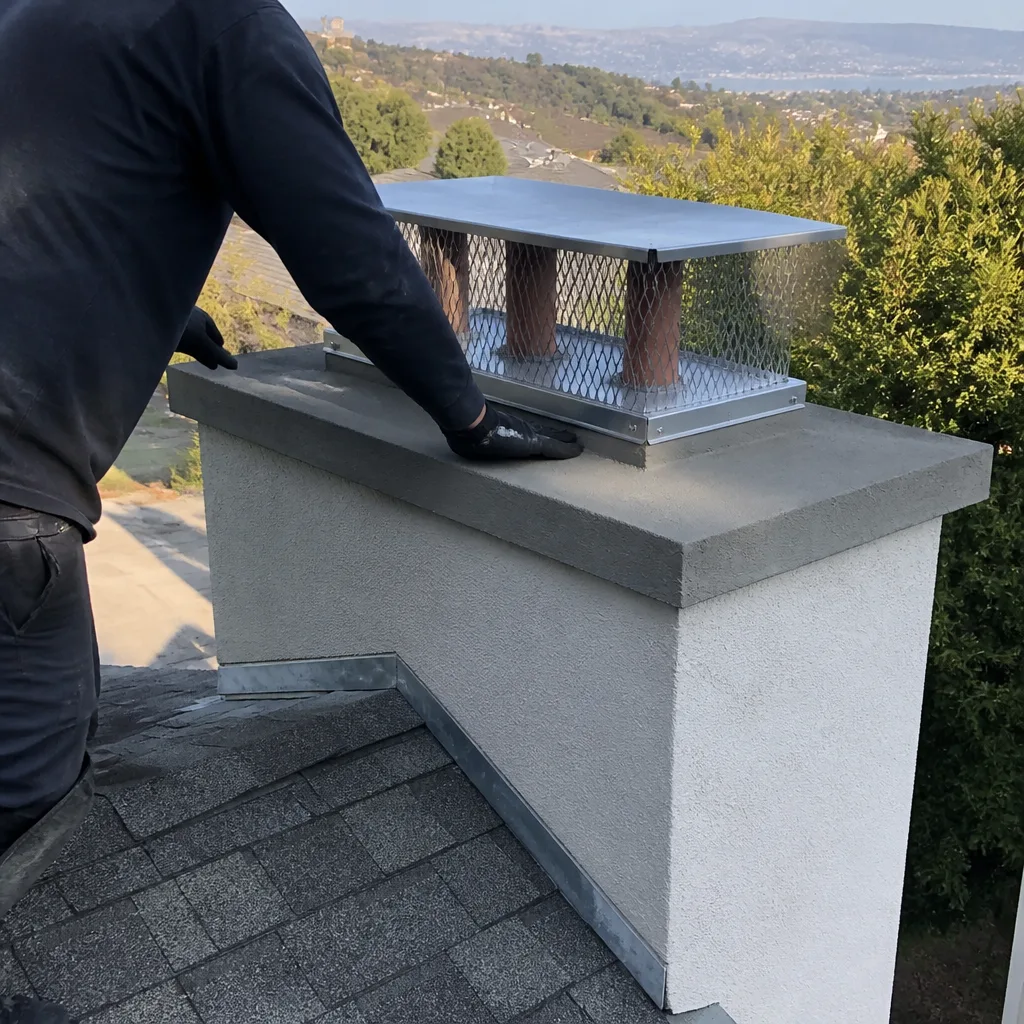 After
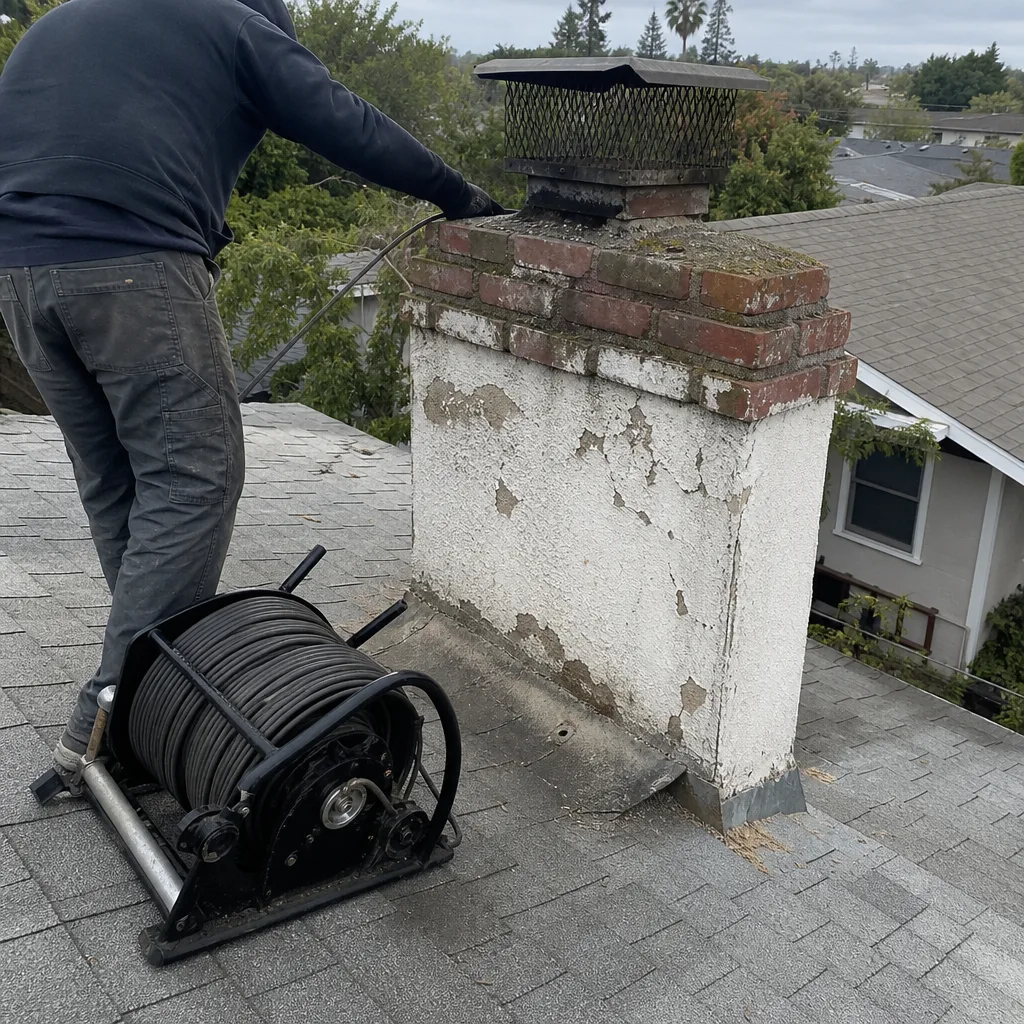 Before
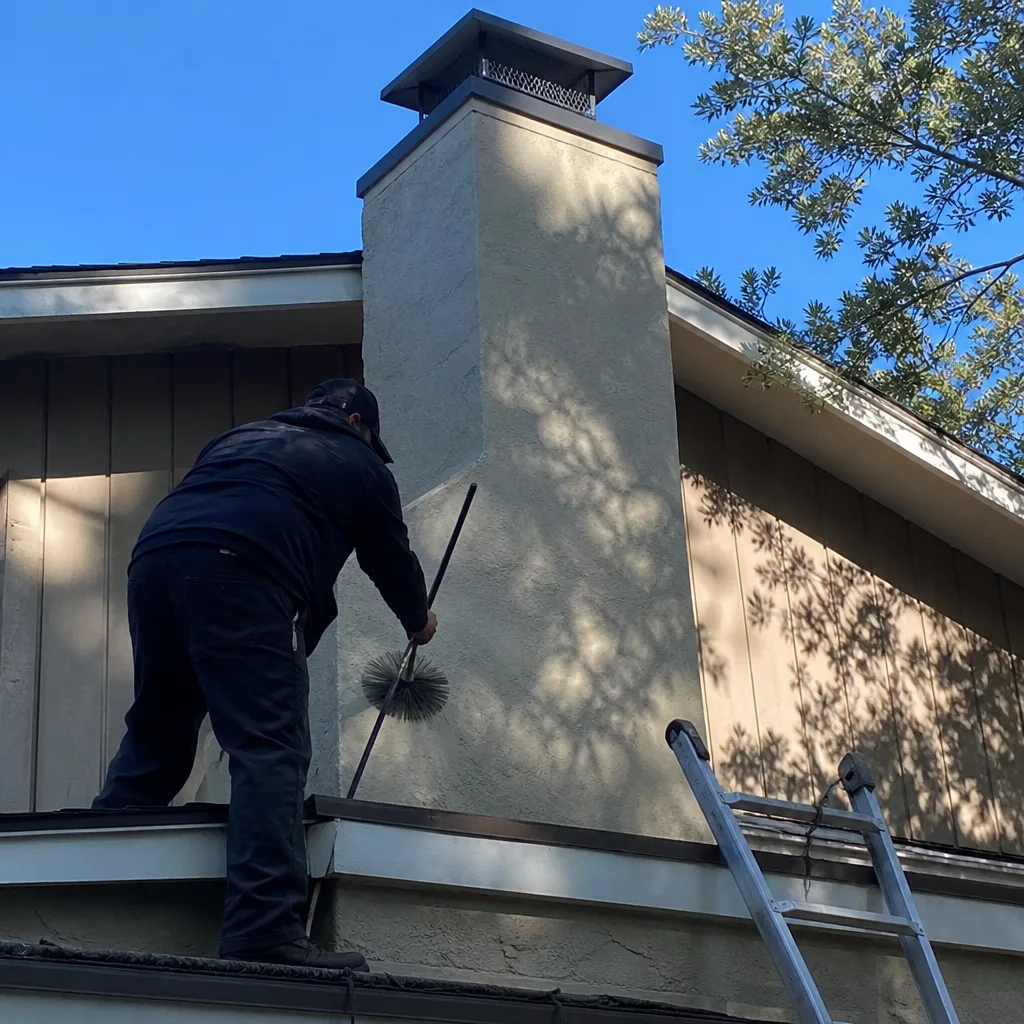 After